
Bringing the museum to the world: CMNH's Virtual Field Trips reach 250,000 participants
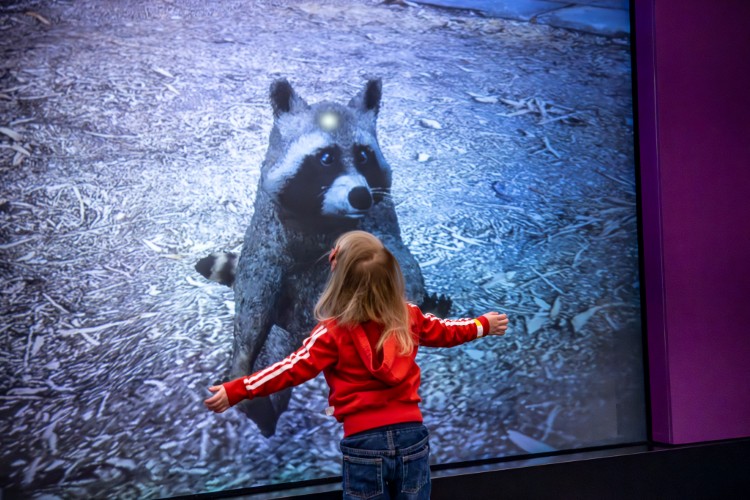
The Cleveland Museum of Natural History (CMNH) reached a major milestone in March: Its award-winning Virtual Field Trips program has now engaged 250,000 participants since launching in 2007.
 CMNH's Virtual Field Trips have reached 250,000 participants around the world.The educators surprised the students who helped the Museum achieve the milestone with confetti and special activities.
Since launching in 2007, the award-winning program connects classrooms to real-time science learning, bringing topics such as dinosaurs, astronomy, wildlife, and human health directly into schools. It has reached students in 85 of Ohio’s 88 counties, all 50 states, and 27 countries.
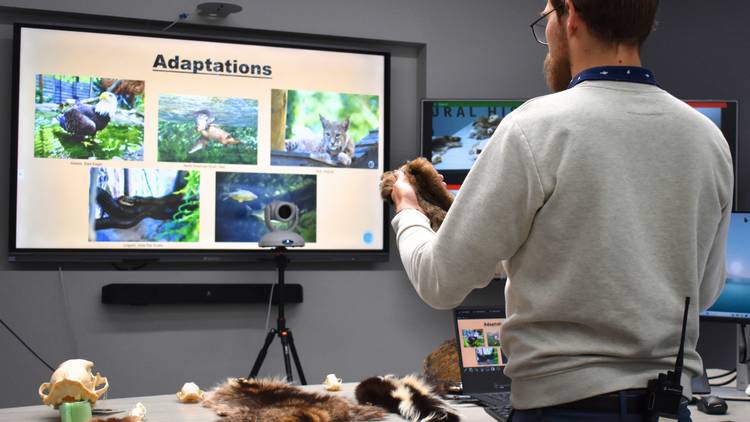
Designed to be live, interactive, and standards-based, the Virtual Field Trips allow students to engage with CMNH educators and authentic specimens from absolutely anywhere.
The program is free this year to Title I schools—public schools that receive federal funding under the Elementary and Secondary Education Act (ESEA) to support students from low-income households—to expand access to high-quality science education to all students.
 Sears Dynamic Earth Wing“The impact of our Virtual Field Trips goes far beyond the screen,” said Renata Brown, CMNH director of school and family learning. “We’re reaching students where they are and inspiring curiosity about the natural world in ways that are engaging, accessible, and meaningful. By connecting to classrooms across the globe, the Virtual Field Trips bring the Museum to a wider audience while fostering cross-cultural connections.”
This milestone comes as the Museum continues to invest in its virtual learning capabilities, including the recent addition of two brand new Virtual Learning Studios, including the Barna and Pomeranz Virtual Learning Studio, in the Larry Sears and Sally Zlotnick Sears Dynamic Earth Wing.
The studios enhance the Museum’s ability to deliver dynamic, broadcast-quality programming, and their location in the galleries allows visitors to observe live sessions as they happen.
In the past year alone, the Virtual Field Trips have reached more than 2,800 students. It hit its peak in 2021 during the COVID-19 pandemic when it reached a staggering 46,302 people—allowing the Museum to continue providing outstanding learning experiences.