
Historic preservation tax credits give new life to Cleveland’s landmarks


Cuyahoga County secured a massive win in the final 2025 Ohio historic preservation tax credit round, with 10 projects capturing $23.1 million in public investment.
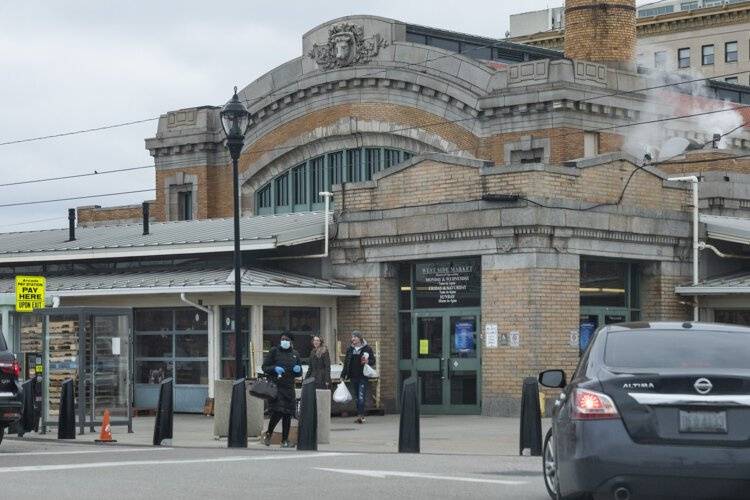
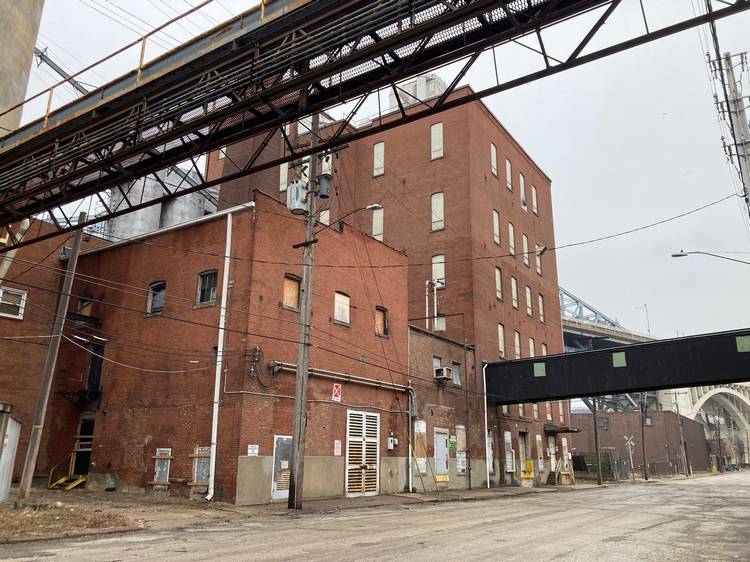
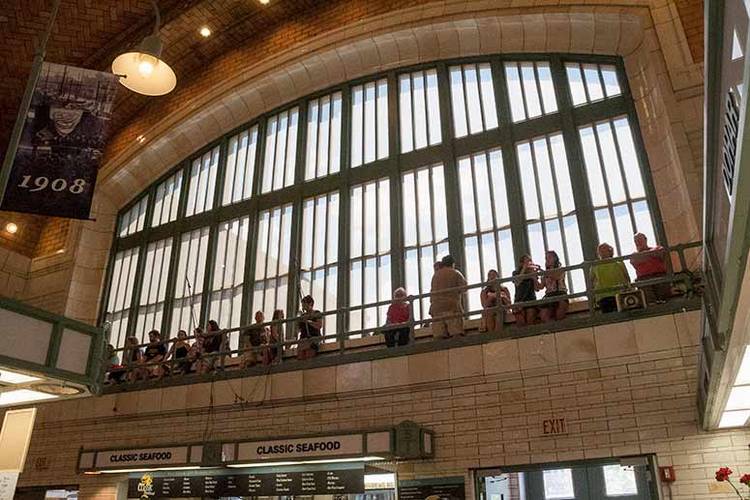
Two projects—the renovation of the West Side Market and the planned conversion of the former 19th-century Grain Craft Mill into a large-scale hotel venture the in the Flats—each received the maximum $5 million allocation of Ohio State Historic Tax Preservation Credits.
Understanding why these credits matter requires looking beyond brick and mortar, say historic renovation experts. Entities like the West Side Market are vital to the city’s identity—the market, in particular, is a place where residents from every socioeconomic background converge, says Cleveland Restoration Society (CRS) president Kathleen Crowther.
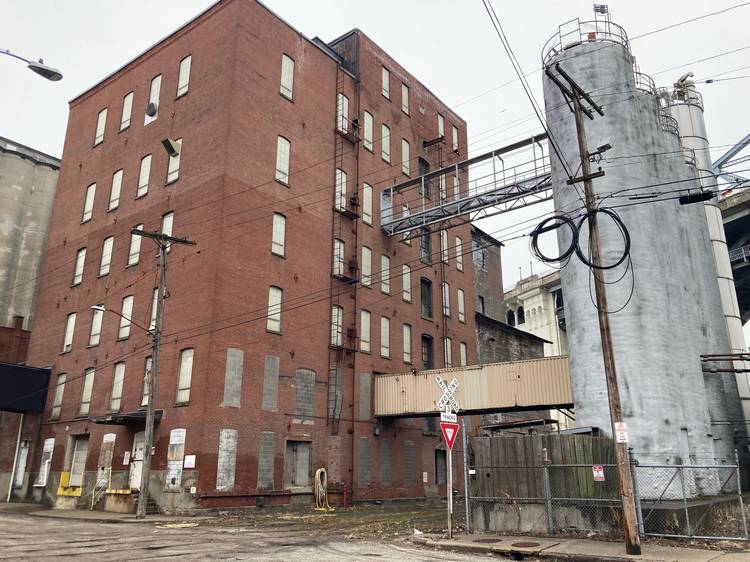
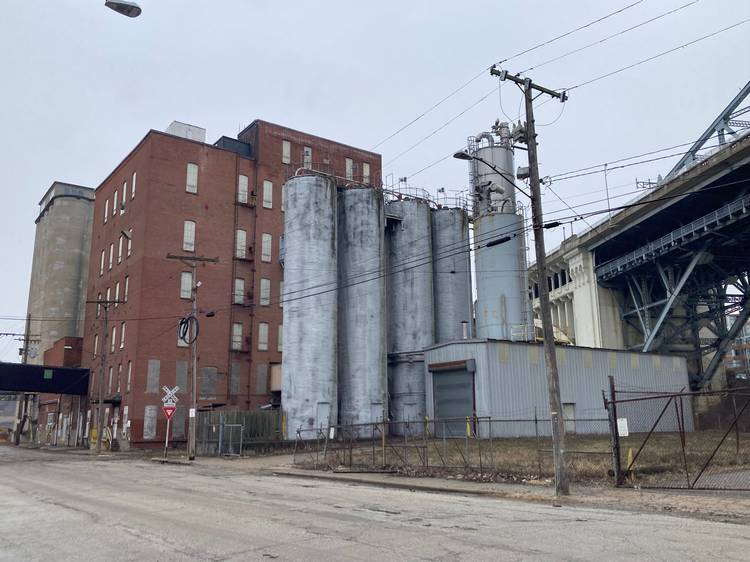
 The West Side MarketLess a household name than our famous market, the Cleveland Milling Company is a fundamental facet of the city’s industrial history, notes Crowther. With help from state credits and $10.3 million in federal historic tax funding, the currently vacant space near the Center Street bridge in the Flats will be turned into a hotel and retail complex.
Crowther says she is especially excited by the project’s footprint, which stacks a modern hotel atop a two-story warehouse conversion.
“People want to live in an environment that’s unique, interesting, and has character,” Crowther asserts, as one who leads the organization tasked with preserving and protecting Northeast Ohio’s historic buildings and places.
“The mill building is a miracle because you’re taking this industrial building and making sure you keep those silos,” Crowther continues. “[The design] references its reason for being and is such a fantastic use of tax credits.”
Cuyahoga County won nearly one third of the $78.4 million in tax credits awarded by the state in December, with nine projects planned for Cleveland and one in Lakewood.
Cleveland has heavily used the federal Historic Preservation Tax Incentives Program as well. Between 1995 and 2006 alone, the program generated more than $541 million in citywide investment, according to the Cleveland City Planning Commission.
“We are a leader in using historic tax credits,” Crowther says. “The Warehouse District, Gateway, Euclid Avenue, Playhouse Square, and Tower City have used them for construction costs and soft costs like architect fees. People don’t know how valuable this has been for Cleveland.”
Unlocking the future
According to the City Planning Commission, Cleveland has 22 local historic districts and 234 individual landmarks, together representing more than 3,500 buildings. However, credits can only be used for income-producing projects, so owners of historic homes are out of luck, notes Molly Schnoke, director of the Center for Economic Development at the Cleveland State University Levin College of Public Affairs and Education.
Ohio distributes approximately $120 million in preservation credits each year, split across two competitive funding rounds. Eligible buildings must be listed on the National Register of Historic Places, or designated as a historic property by a certified local government. Similar to properties entitled to federal credits, state-funded buildings must be more than 50 years old and require “substantial” rehab.
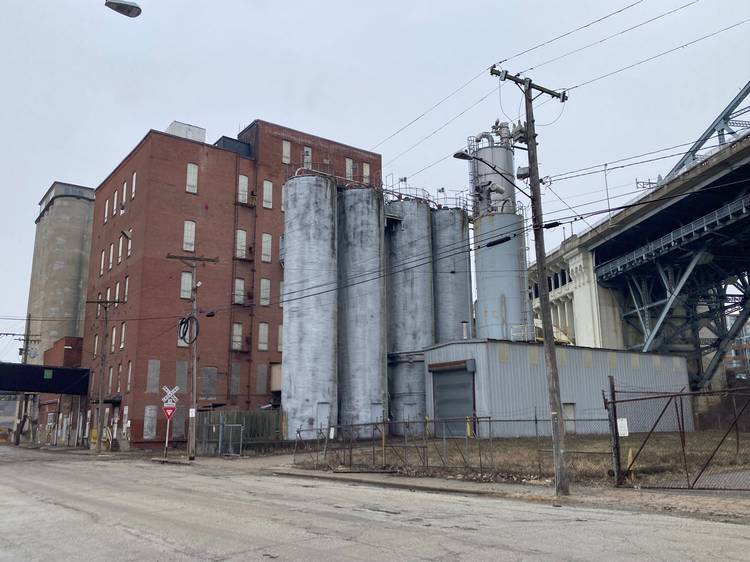 The 19th-century former Grain Craft Mill building.The state only pays for Qualified Rehabilitation Expenditures, or QREs, which include roof repair, plumbing installation, or replacing that gorgeous West Side Market tile.
In other words, building a brand-new parking garage next to your renovated facility would not count toward your tax credit.
Whether deriving from the federal or state government, these credits are a financial bridge making long-term preservation possible. In the case of the former Flats Cleveland Milling site, the credits will help unlock a $61 million transformation of the vacant industrial complex into a high-end boutique hotel, Schnoke says.
“These credits bridge the gap to make a project happen when it might be too expensive otherwise,” she explains. “These are state dollars that you have to jump through a lot of hoops to get, and they’re very competitive. It shows investors that [your project] is a viable idea.”
Don’t get confused
Unlike a grant, which is money given upfront, a tax credit is a dollar-for-dollar reduction in the taxes a developer owes. Put simply, if a developer invests $20 million into a qualified project and secures a 25% state tax credit, they receive a $5 million tax reduction.
The catch? This is not an upfront payment, as developers only earn credit after completing the project under strict preservation standards.
Ohioans should not confuse massive economic development deals like the $475 million Intel package with historic tax credits—the former builds new industry, while the latter revives existing community landmarks.
“Historic credits relate to the preservation and growth of identity,” says Schnoke. “Something like the West Side Market is part of the fabric of the community, and that’s what you’re preserving.”
There is a scarcity of literature measuring direct economic benefits of historic designation. Yet, anecdotally at least, Schnoke can point to dollars spent on surrounding neighborhoods when people visit the market.
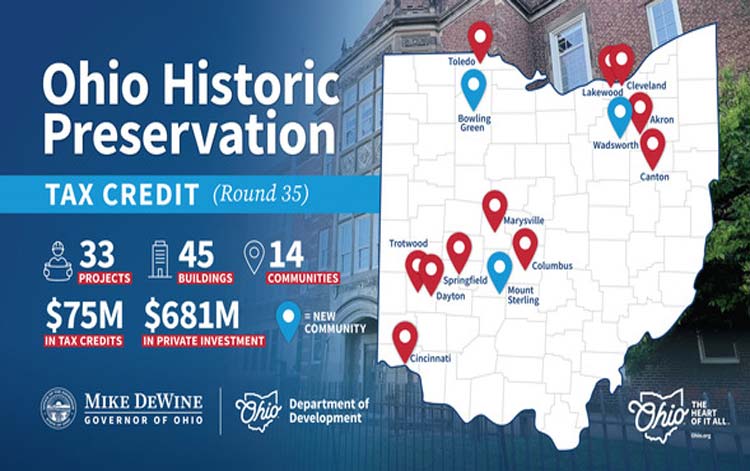
 Ohio Historic Preservation Tax Credit Map.“Think about a big box store with items that come from somewhere else—the company isn’t local, and much of the sourcing of that item isn’t local,” explains Schnoke. “With the West Side Market, most vendors are small farms and producers from the region, so that ‘shop local’ idea stays that way.”
Data does show the positive impact of federal tax credits. According to a 2025 report from the U.S. Department of the Interior, federal preservation credits have triggered $249.6 billion in private investment, while also fueling the creation of more than 3.3 million jobs.
As an advocate for historic preservation, CRS’ Crowther often briefs policymakers on how tax credits are a powerful engine for reviving one-time industrial giants like Cleveland.
“Credits are transformational, because we have so many vacant buildings that have been repopulated with new tenants,” she explains. “Tax credits are a fantastic tool for a downtown like Cleveland’s, where these buildings are getting activated.”
