A different perspective: Seeing Andrew Wyeth through his watercolors at Cleveland Museum of Art
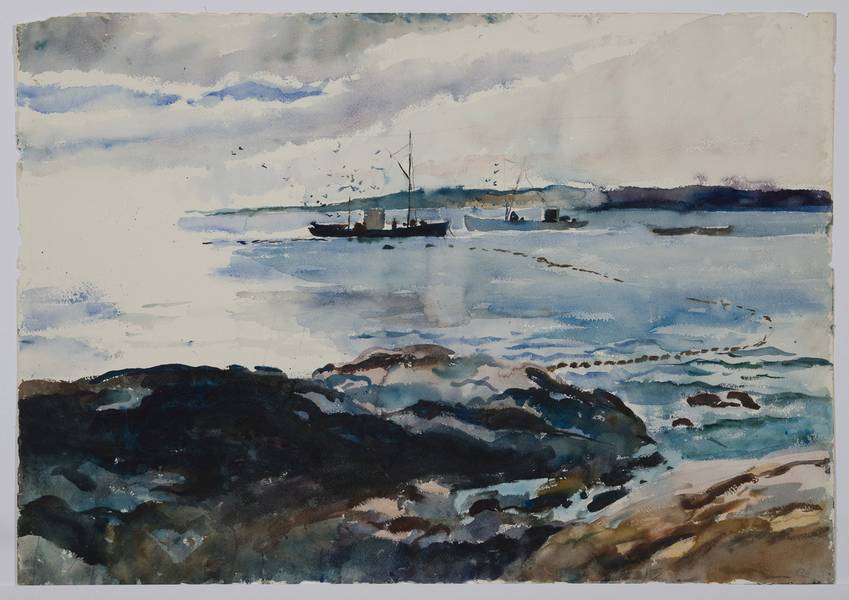
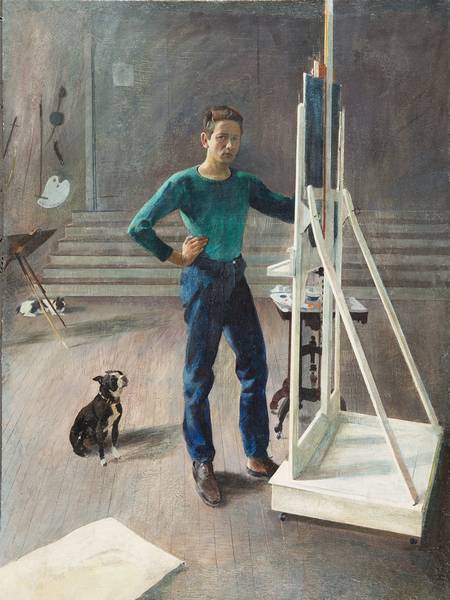

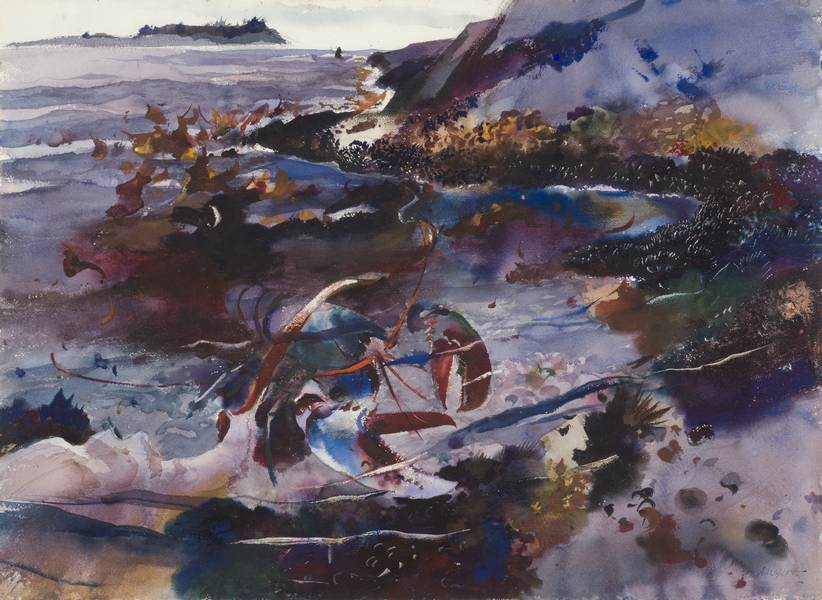
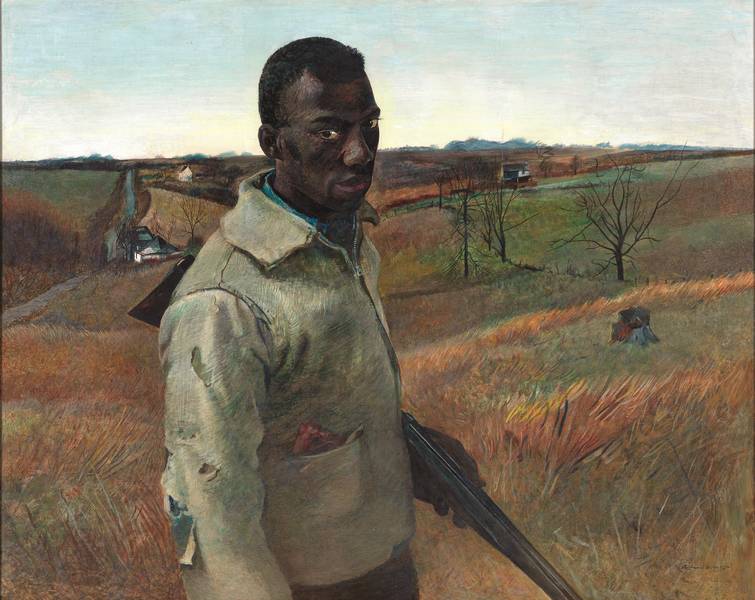
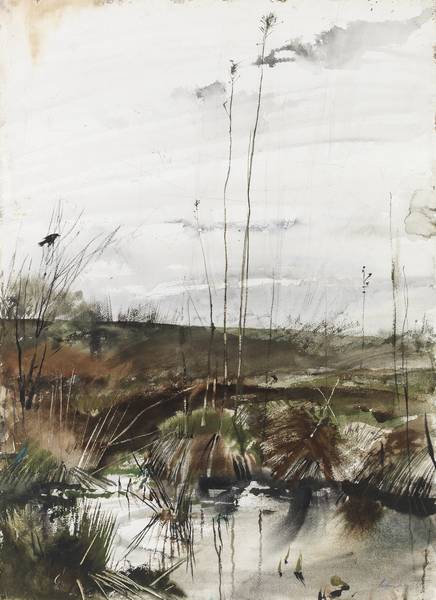
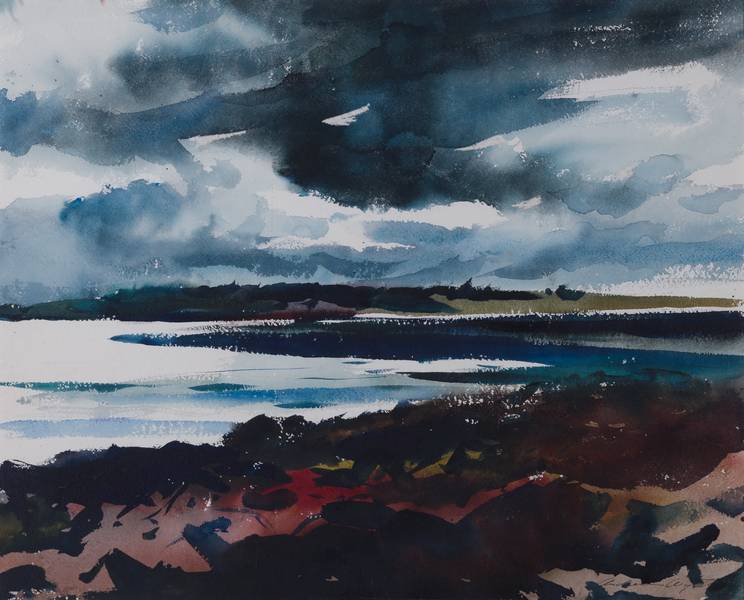
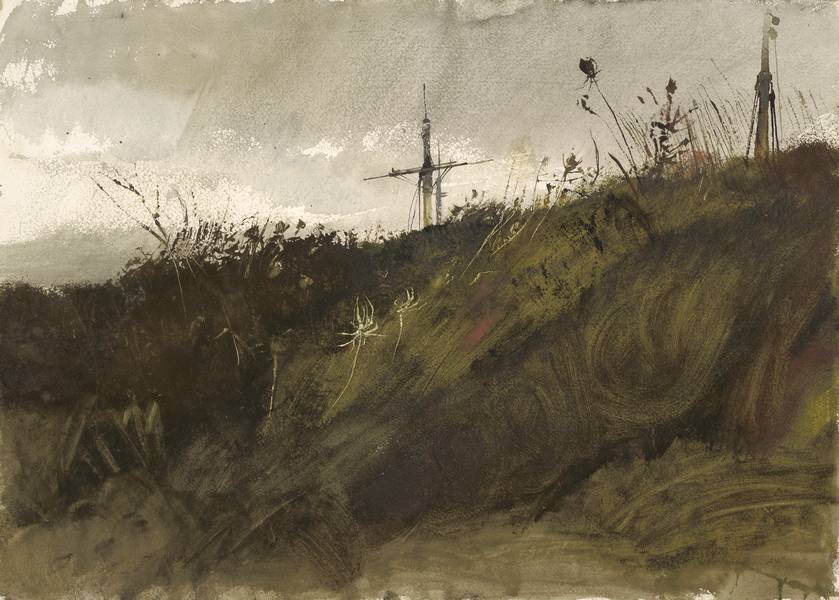
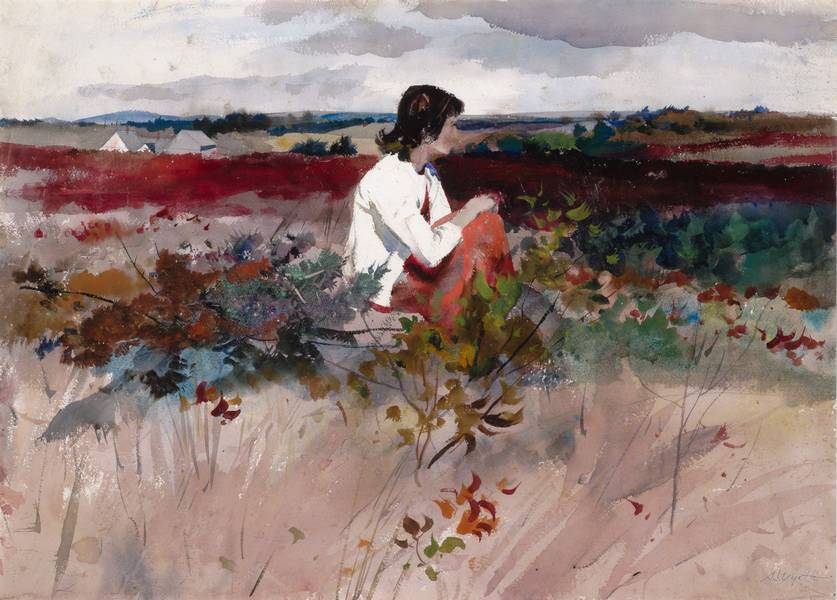
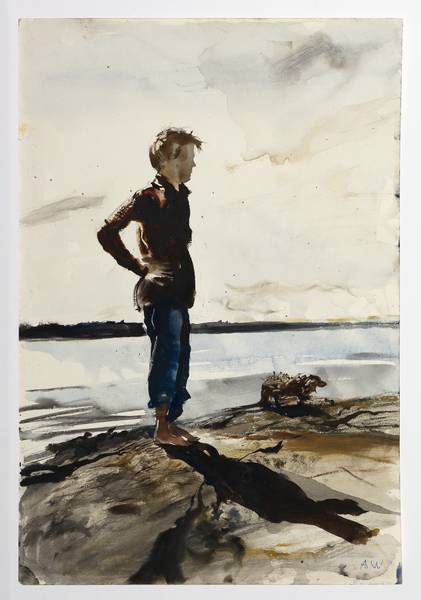


 Self Portrait, 1939Artist Andrew Wyeth (1917-2009) may be known for his meticulous tempera paintings of rural Pennsylvania and Maine, but he was making a name for himself with watercolor long before those works cemented his reputation in temperas.
“Spectacular Freedom: Andrew Wyeth and the Modern American Watercolor,” opened Sunday, Sept. 20 at the Cleveland Museum of Art (CMA). The exhibit invites visitors to look at that less familiar side of the celebrated American artist.
On view through Jan. 18, 2027, “Spectacular Freedom” displays almost 75 watercolors from the collection at the Wyeth Foundation for American Art, including 17 works that have never been exhibited publicly and five that have not been shown in nearly a century.
It is the first time Wyeth’s work has been shown in Cleveland, and “Spectacular Freedom” is the first in-depth exhibit to examine his lifelong relationship with watercolor.
CMA curator of prints and drawings Britany Salsbury, who also curated the Wyeth exhibit, says viewers can reconsider an artist whose reputation has long overshadowed an important part of his creative practice.
“For much of his career, Wyeth has been far better known for his tempera paintings, to the extent that many people are unaware that he originally established his reputation with watercolor,” Salsbury says. “The CMA show looks at how important watercolor was to him—both in getting his start as an artist but also throughout his entire career.”
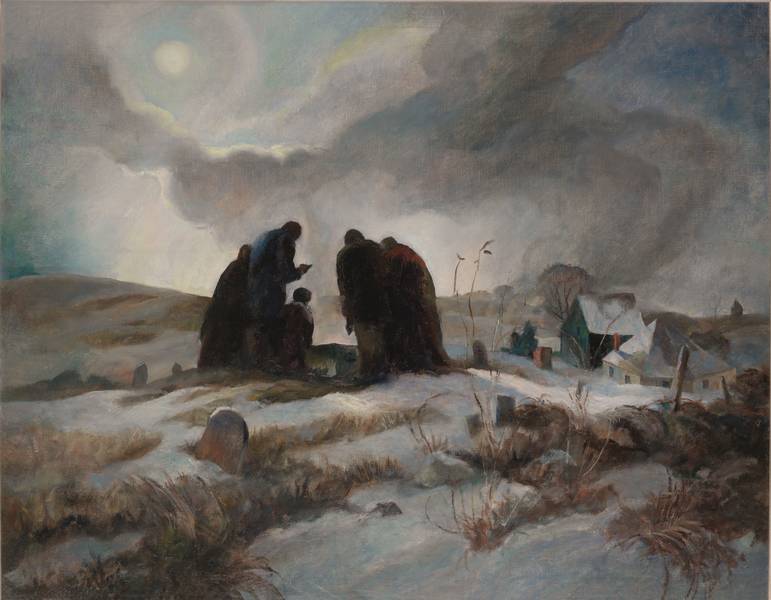
 Wind Northwest, first version, 1966.An early start
Wyeth got his first set of watercolor paints when he was 13, and the medium remained a constant throughout his long career. In 1937, when he had his first major solo exhibit of watercolors, he was already being recognized as one of the country’s leading young painters.
The exhibit takes a broader look at Wyeth’s work within the surge of interest in watercolor in the United States during the early 1900s.
“The exhibition is the first to think about these works in the context of an explosion of interest in watercolor in the United States during the first few decades of Wyeth's career—beginning in the 1930s,” Salsbury says, “and how this movement informed and was informed by his practice.”
Salsbury says that context helps explain why watercolor was such a natural fit for Wyeth. Unlike more formal studio practices, watercolor allowed artists to work outside, in nature, while taking advantage of the medium’s portability and expressive qualities.
The exhibit title, “Spectacular Freedom,” comes from a 1938 review in “Art in America.” Salsbury says the critic’s description captures more than Wyeth’s technique.
“The phrase [“Spectacular Freedom”] suggests not only the bold, expressive brushwork and color that Wyeth used in his watercolors at the time, but also associations that critics, collectors, artists, and viewers saw between watercolor and Americanness,” she explains. “Watercolor artists could work outdoors, directly from nature, and weren't tied to a conservative tradition of artmaking.”
Throughout his life, Wyeth would return again and again to the landscapes and people around his homes in Pennsylvania and Maine—developing a personal practice rooted in place. In Pennsylvania, he worked in Chadds Ford, while his Maine subjects came largely from the mid-coast area near Port Clyde.
Tracing a timeline
The exhibit shows that Wyeth’s watercolors were more than simply recording familiar landscapes.
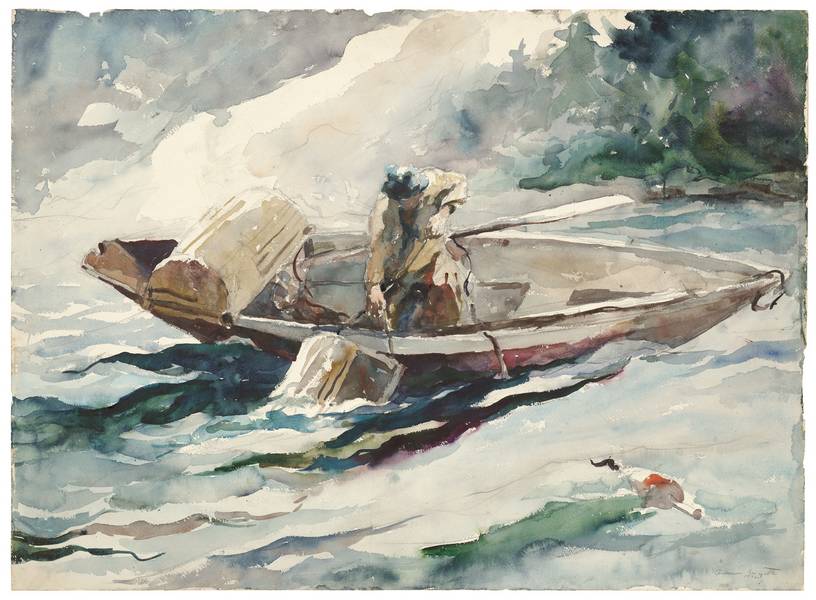
 Maine Fisherman 1936.
“Spectacular Freedom” follows Wyeth’s career across six thematic sections—from his early work through his depictions of coastal Maine and rural Pennsylvania, his experimentation with landscape, intimate views of private life, and his explorations of abstraction.
Maine Fisherman 1936.
“Spectacular Freedom” follows Wyeth’s career across six thematic sections—from his early work through his depictions of coastal Maine and rural Pennsylvania, his experimentation with landscape, intimate views of private life, and his explorations of abstraction.
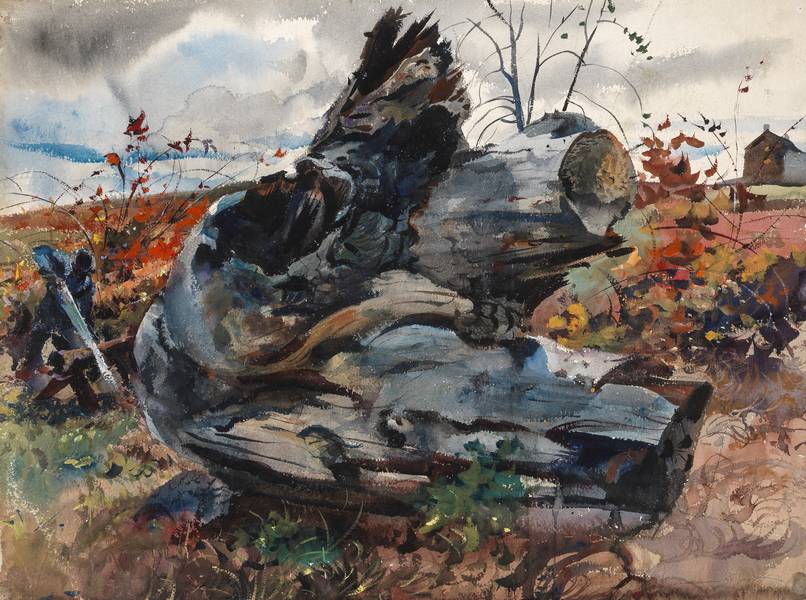
The works encompass a range of Wyeth’s interests. Some are vivid landscapes; others are precisely observed interiors or intimate scenes. Still others are sketches and studies, including preparatory works for the tempera paintings Wyeth created along with his watercolors.
That relationship between the two mediums is one of the central ideas of “Spectacular Freedom.” Selected tempera paintings accompany the watercolors, revealing how the two practices informed one another and how much of Wyeth’s creative life was spent thinking and working on paper.
Salsbury says visitors may be surprised by just how different Wyeth could be when working in watercolor.
“In the watercolors, viewers can see a completely different and unexpected side of Wyeth,” she says. “His watercolors were often different in style and content than his temperas, but they still had all of the qualities that make his work so incredibly distinctive—a perspective that is often unexpected but deeply relatable.”
The works in “Spectacular Freedom” come from the artist’s estate, many of which remained in the family collection throughout Wyeth’s and his wife and creative partner Betsy’s lifetimes and have never been exhibited.
CMA developed the exhibit in collaboration with the Brandywine Museum of Art, which is responsible for the Wyeth Foundation for American Art. That partnership gave Salsbury the chance to spend extensive time with works that have rarely, if ever, been seen by the public.
“I had the opportunity to work with this collection alongside [Brandywine’s] Wyeth Study Center staff to select the works that were ultimately included in the show,” Salsbury says. “It was an incredible opportunity to learn from their expertise and also from looking closely at a wide range of Wyeth's work in watercolor.”
The exhibit also brings some of Wyeth’s working processes into the galleries, with a selection of his paints, brushes, and other materials on display.
 Untitled, 1953.Together, the works and objects offer a closer look at an artist who produced thousands of watercolors over the course of his career, even as his tempera paintings increasingly defined his public reputation.
“Beginning in the 1930s, Andrew Wyeth built a monumental reputation for his evocative use of watercolor, depicting the people and places that surrounded him in rural Pennsylvania and Maine,” Salsbury says. “Although Wyeth is often thought of today for his tempera paintings, watercolor was a constant throughout his incredibly prolific career.”
She says his career makes the exhibit more than a survey of a familiar artist’s lesser-known works. Instead, Salsbury says “Spectacular Freedom” is a chance to see Wyeth’s artistic development—and his willingness to keep experimenting—with fresh eyes.
“His works in the medium reveal a completely new and surprising side of an otherwise well-known artist,” Salsbury observes. “Through the works on view, we can see Wyeth actively reconsidering the American watercolor tradition, endlessly shifting his perspective and technique in order to create works that revolutionized the possibilities of the medium.”
“Spectacular Freedom: Andrew Wyeth and the Modern American Watercolor” runs through Jan. 18, 2027, in CMA’s Kelvin and Eleanor Smith Foundation Gallery.