Beyond the walls: Cleveland Museum of Natural History connects learners of all ages to the world
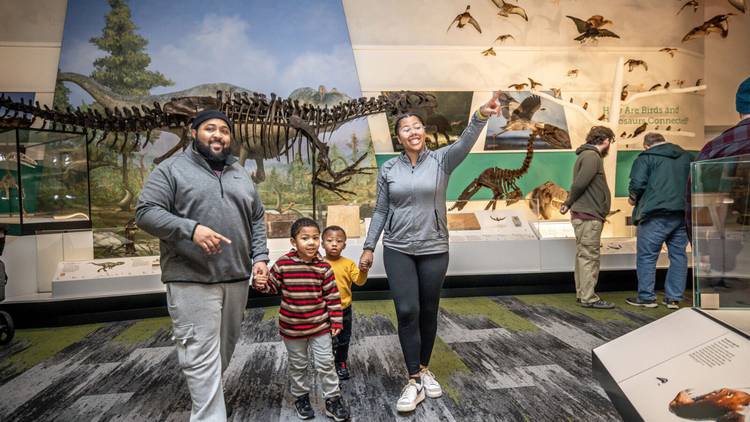
The Cleveland Museum of Natural History (CMNH) has deep roots that trace back to some of Cleveland’s most prominent early figures.
Even before the museum was officially established in 1922 in the Leonard C. Hanna House on Euclid Avenue, a group of naturalists had been gathering in a building on Public Square since the 1830s to discuss and display natural history specimens.
 Cleveland lawyer Harold T. Clark gathered 26 civic leaders to establish the museum, with Cyrus S. Eaton playing a significant role in its establishment. Paul Marshall Rea was appointed as the museum's first director.
Fueled by curiosity about the natural world and Earth’s evolution, these founders came together to establish CMNH.
Today, CMNH operates around four core pillars that shaped the museum’s founding and continue to guide its transformation, research, and community role.
“One of our pillars is lifelong learning," says Dr. Renata Brown, CMNH director of school and family learning. She adds that the remaining three pillars are audience engagement; scientific expertise; and organizational excellence.
The lifelong learning pillar applies to much of the museum’s modern-day programming—including virtual education programming that reaches audiences worldwide; on-site distance learning studios; and immersive summer camps and other experiences for youngsters and adults alike. The comprehensive approach spans from Pre-K programs through adult education.
A virtual world
For nearly two decades, CMNH has pioneered virtual education programming—reaching students around the world, from Appalachian Ohio to the Arctic Circle.
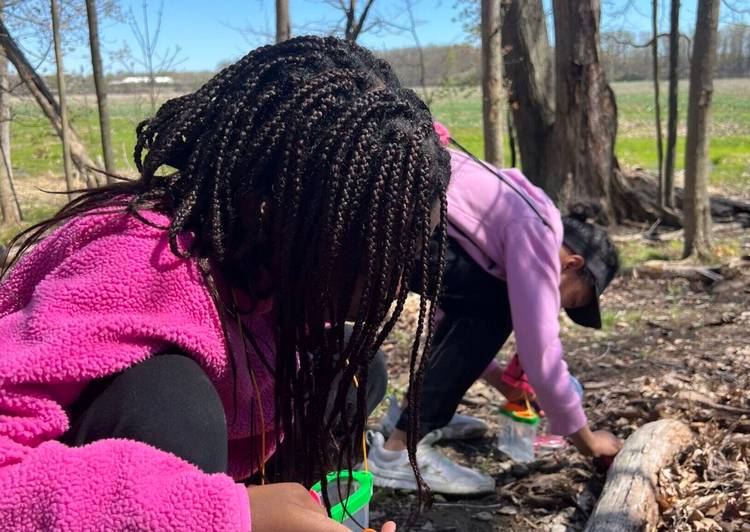
 The CMNH iNaturalist team recently participated in the 2026 City Nature Challenge.CMNH uses its distance learning programs to reach audiences that wouldn’t otherwise experience all the museum has to offer. In fact, the programs earned national recognition, serving more than 250,000 participants over the past 19 years.
"We've been doing them since 2007, and we are legitimately award-winning," says Brown, as she describes the museum's Virtual Field Trip program.
CMNH’s virtual programs earned recognition from the Center for Interactive Learning and Collaboration (CILC) in Minnesota. CMNH received CILC’s 2024/25 Pinnacle Award for providers that deliver programs with high educational value, actively involve learners at their level, and are professionally delivered via videoconferencing technologies.
In fact, the museum has won a Pinnacle Award every school year since 2009, Brown says, adding that CMNH staff evaluates the effectiveness of its virtual programming primarily through teacher feedback.
"These awards are based on the evaluations that we get on the programs, and those evaluations are from the teachers,” she explains. “It's literally based on what the teachers say about our program.”
Bringing learning to life
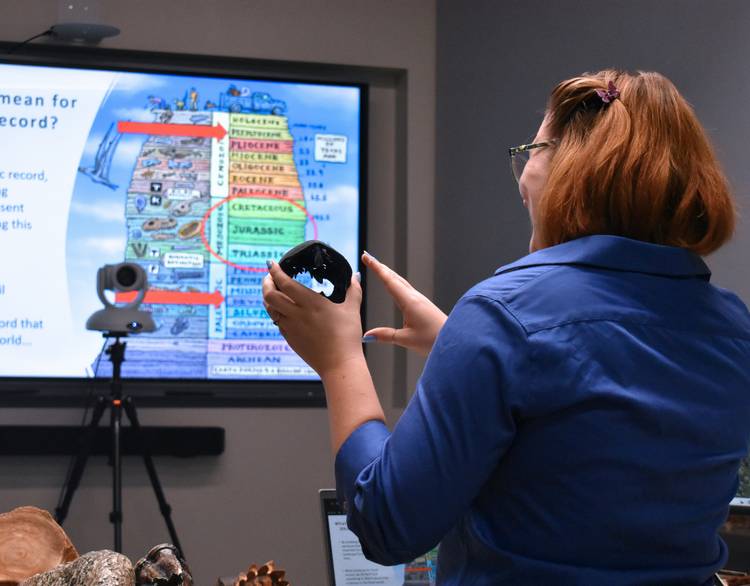
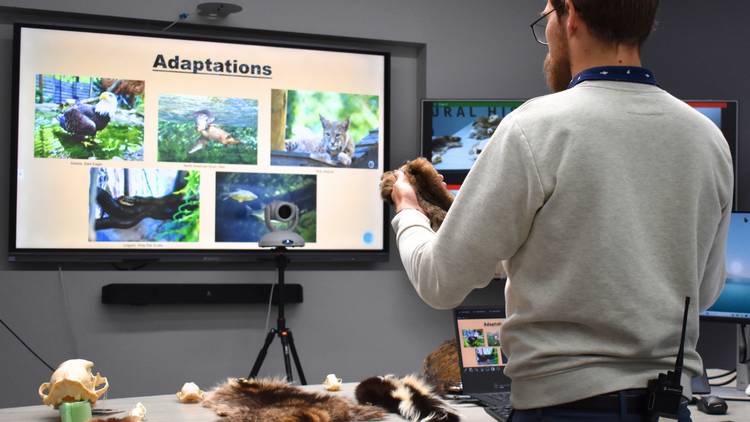
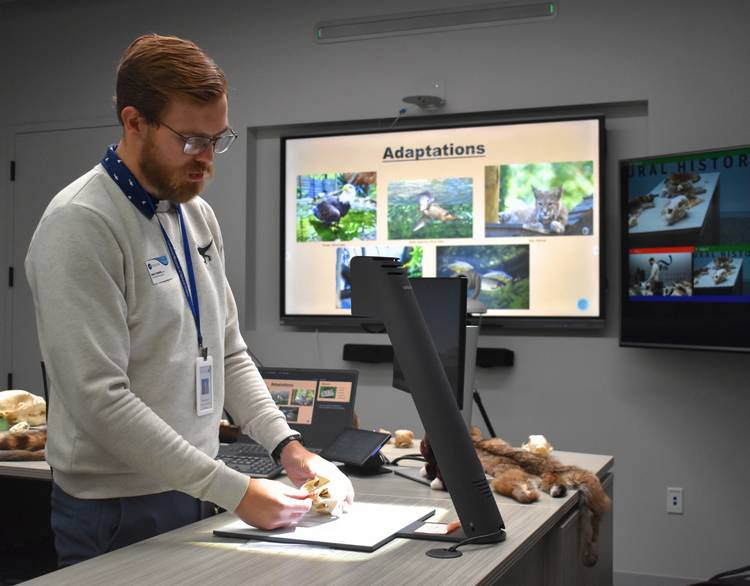
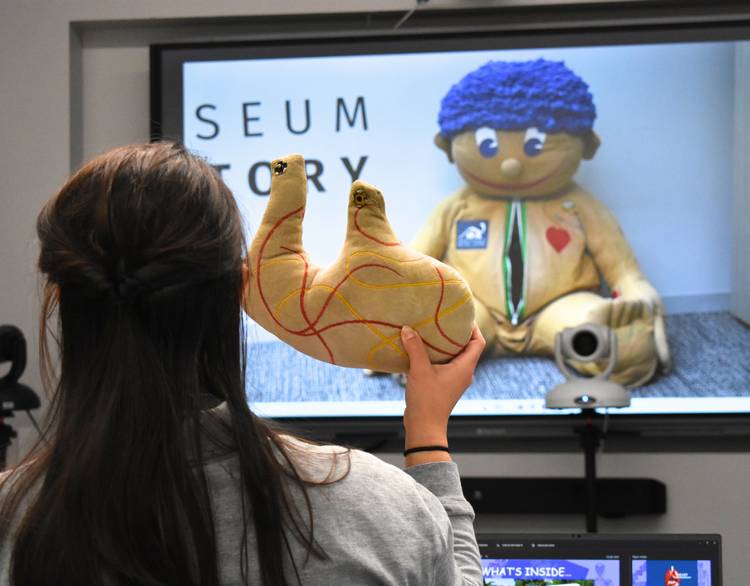
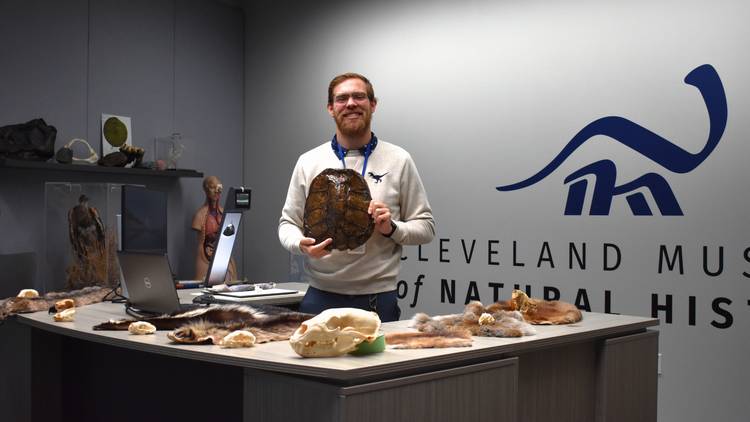
CMNH’s decade-long renovation and reimagining included two new distance learning studios on the main level, joining two existing studios to create a comprehensive virtual education hub. These public-facing studios allow museum visitors to witness the virtual programs in action.
 CMNH's Virtual Field Trips have reached 250,000 participants around the world."It's been really fun, and the educators have really gotten a kick out of it,” says Brown. “They're doing a program and they're talking to the kids. And then they have the public start pounding on the glass."
Brown assures that the educators have adapted skillfully—switching between camera angles and giving enthusiastic waves to museum guests between program segments.
Cultural connections
One CMNH partnership, Connected North, provides live, interactive virtual learning experiences and access to educational resources for students and teachers in remote Indigenous communities in Canada's far northern reaches. Brown says the partnership has taught CMNH educators valuable lessons about cultural sensitivity and communication styles.
"We've had to purposefully slow down how we are conveying information,” Brown explains. “And it has nothing to do with intelligence or anything like that. It's being present and grounded, and I am looking at you and I am sharing information with you.”
The Connected North partnership does require some creative adaptations, Brown says. For example, the museum's nutrition program "You Are What You Eat" discusses different protein sources for Arctic communities.
"Here, we might talk about the protein being like chicken or beef or something like that,” she says. “Whereas there, it's going to be like, seal or elk.”
Impressive reach and growing
The virtual programs have reached all 50 states and will reach all 88 Ohio counties this year, and staff has made some international connections as well, says Brown. The COVID-19 pandemic significantly boosted participation, when CMNH served "almost 47,000 students and teachers virtually" during the first full pandemic school year.
The museum recently celebrated reaching 250,000 participants in the virtual programs. All programming aligns with Ohio academic content standards in science, geography, and health, while incorporating math and English language arts for pre-K through 12th grade students.
Jump into summer camp
CMNH's educational mission extends far beyond virtual field trips. This summer, the museum will offer several in-person summer camp options for students.
Some of the popular choices include:
- Circle Sampler Camp, which turns 30 next year, offers two one-week sessions for rising first and second graders. Sessions begin on Monday, June 8 and Monday, July 20. The one-week camps run Monday through Friday, from 9 a.m. to 4 p.m.
- Make Your Own Museum (MYOM) camps are the new summer favorites, says Brown, with two weeklong sessions. The first session is for rising fifth and sixth graders; the second for rising sixth, seventh, and eighth graders. In both sessions, campers ultimately create their own “mini-museums” that highlight what interests them.
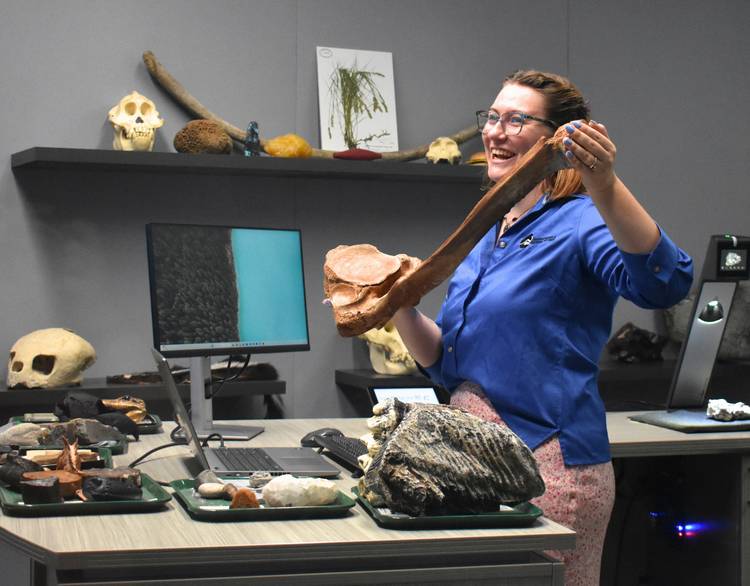
 The CMNH iNaturalist team recently participated in the 2026 City Nature Challenge.Hands-on activities, such as creating a cast and mold of a real specimen, will push campers to use their academic and artistic talents to bring items from the Museum’s collection to life.
In a culminating activity, families will be invited on a celebratory “field trip” to visit the many mini-museums crafted over the week, giving kids the opportunity to act as expert guides.
The MYOM 2 five-day experience, running July 6 through July 10 from 9 a.m. to 4 p.m., approaches storytelling and the creative design process from a developmentally higher level.
MYOM 2 is an opportunity for older campers who do not need as much support and practice to gain hands-on skills. The second installment also works for MYOM 1 alums who are ready to dive deeper into their model exhibits, as well as for extra-passionate campers who would like to repeat the MYOM experience through their middle-school years.
As with MYOM 1, families will be invited on a celebratory “field trip” to visit the many mini-museums crafted over the week.
"At the end of each of those weeks, we invite all the parents and then the entire museum staff to come down and see the little mini-museum that the kiddos have made," Brown says about the Make Your Own Museum program. “And the museum displays of their own they design and create are keepsakes from a summer that promises to be unforgettable.”
The cost is $400 for CMNH members and $445 for nonmembers.
Expanding access for all ages
CMNH’s Homeschooling programs will return in the fall with "four programs throughout the school year on Tuesday afternoons," says Brown, and the museum is responding to Cleveland's "pretty vibrant homeschooling community."
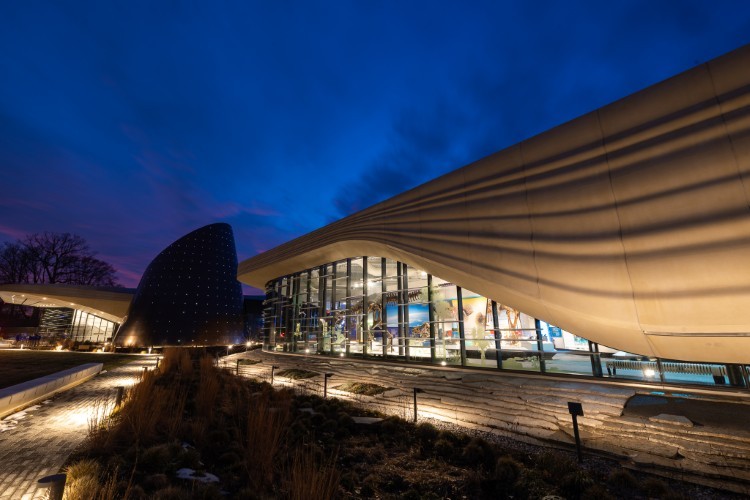
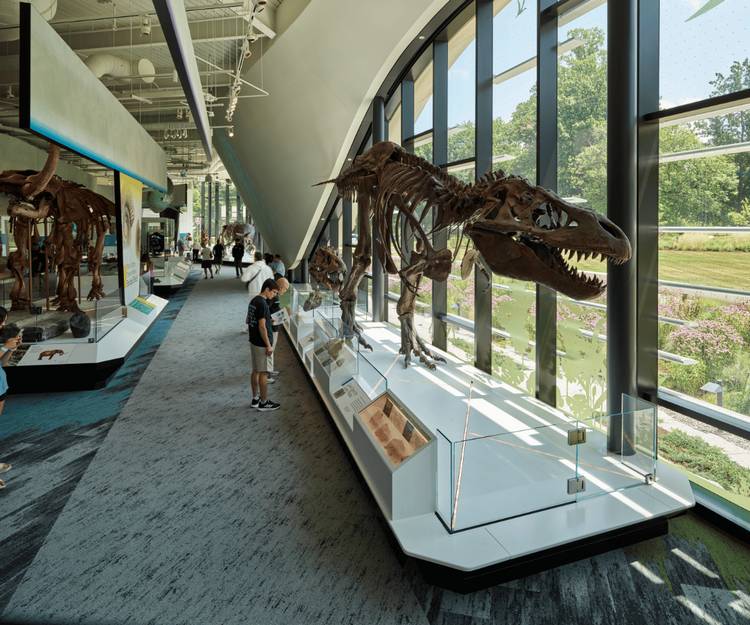
 DLR Group designed the based the geological history of Northeast OhioShe says teen programming will also expand with weekend offerings including "teen trivia or different content knowledge programs that are going to be run by our education staff, along with assistance from our Science for Success teen interns."
Never too old
Brown says the museum has a full menu of programs designed to spark curiosity at any age. The CMNH staff will argue that you’re never too old to learn, with special programs aimed at adults of all ages.
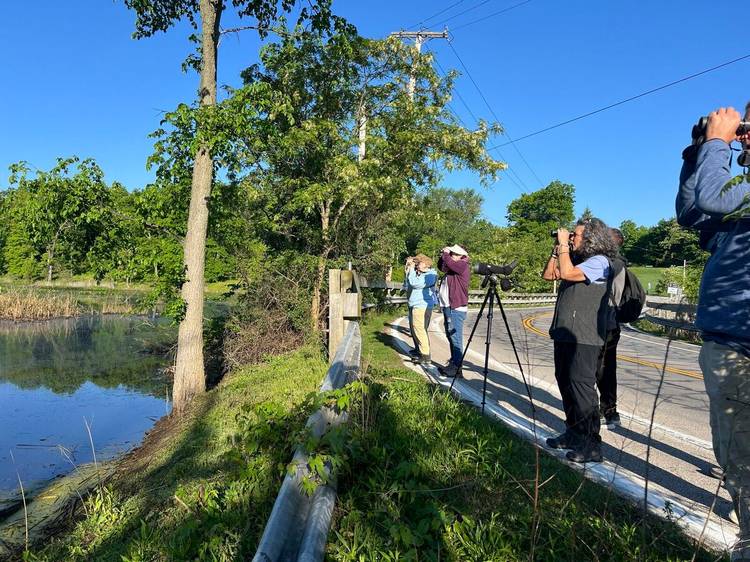
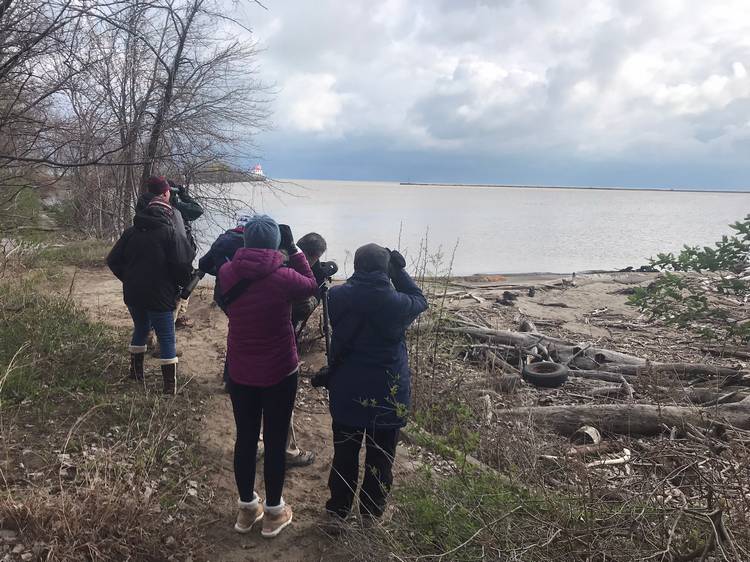
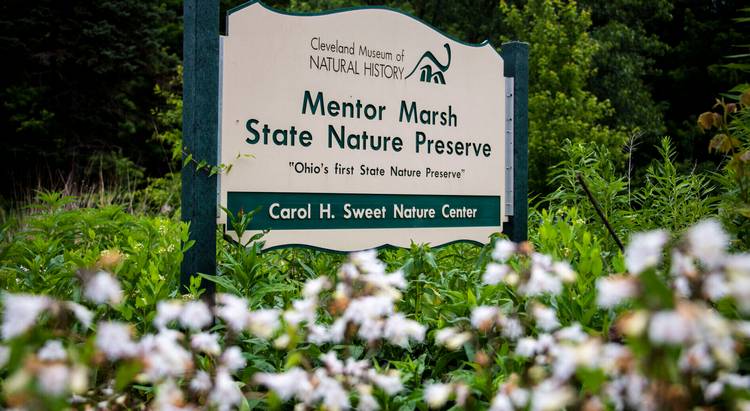
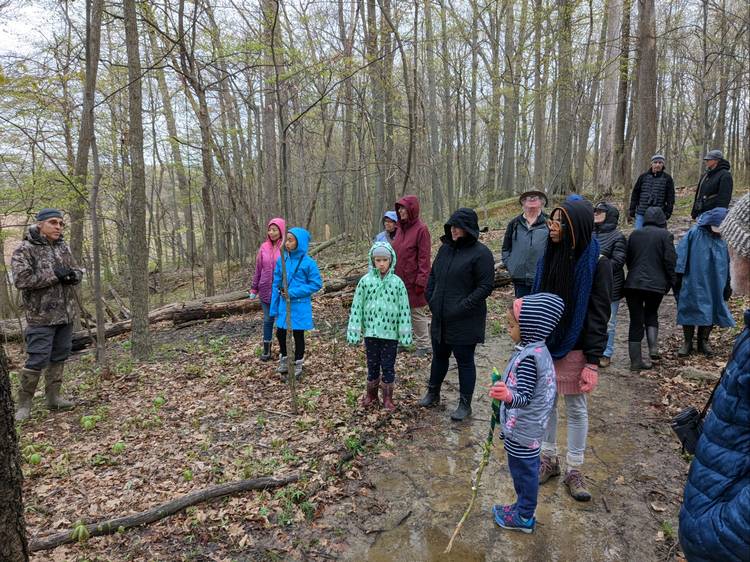
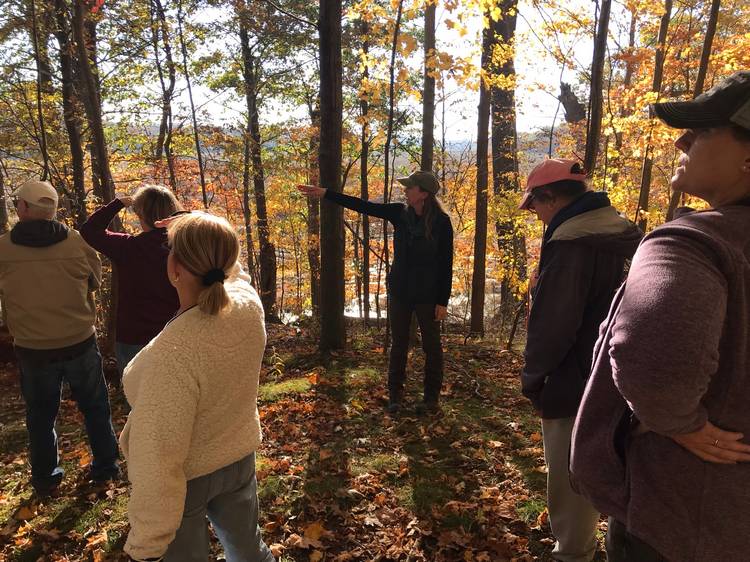
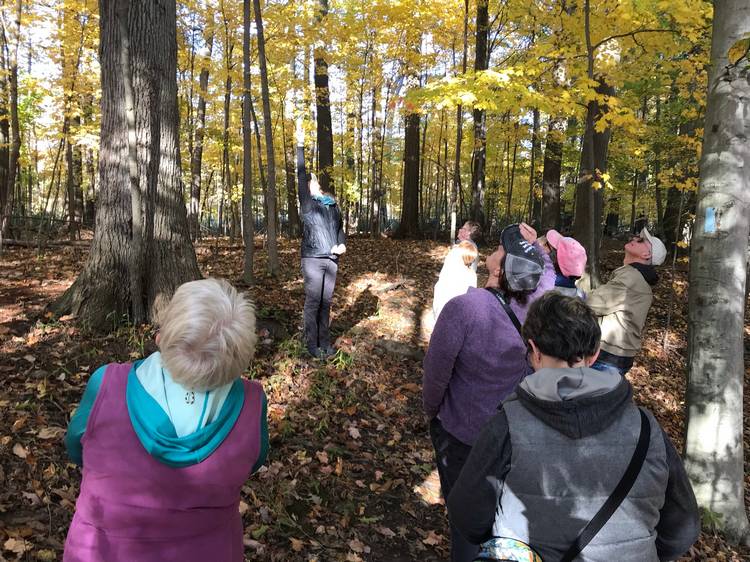
Brown says the birdwatching at Mentor Marsh and the hiking trips in the region’s many natural areas are always popular.
Also popular is the “Science of…” series, which is part of the Linda and Les Vinney Know Your World Lecture Series, and brings experts and personalities to the museum for compelling conversations that reflect the Museum’s vision for healthy humans, a healthy planet, and a better future for all. The series invites guests to explore the unique content in the reimagined galleries and engage in dialogue about the relevance of science to our lives.
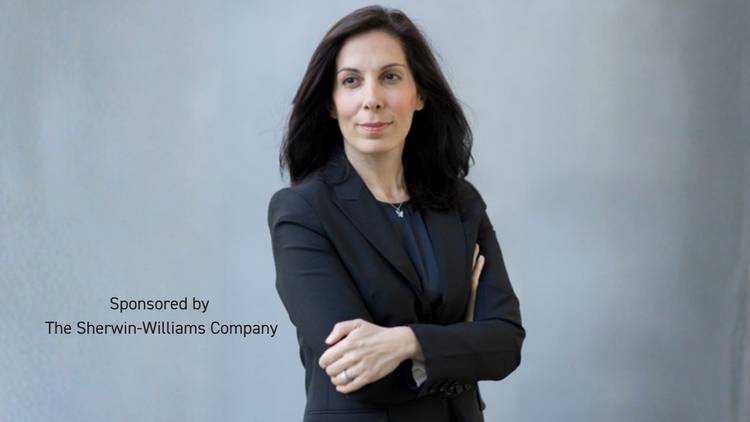
Brown also touts an upcoming program on artificial intelligence (AI), “The Ethics of AI with Dr. Nita Farahany” on Thursday, May 7 from 7 p.m. to 8 p.m. in Murch Auditorium.
The program is part of the Museum’s Conversations with Women in STEAM series, which features accomplished women in the fields of science, technology, engineering, arts, and mathematics. From authors to astronauts, these presenters emphasize the important role of women in STEAM careers and the impact they have on future generations.
 CMNH Virtual Field Trips help the museum reach audiences of all ages around the globe.Less academic, more nature
The Museum just finished its annual City Nature Challenge 2026, which celebrates the region’s biodiversity and contributes to the largest biodiversity census in the world—iNaturalist, an app that allows users to record their encounters with different organisms, identify species, and interact with other users.
The observations can contribute to scientific research, inform local government policies, foster a deeper understanding of urban biodiversity, and support environmental stewardship.
Out in the field
There are two birding programs coming up on Sunday, May 3 at Mentor Marsh. The Mentor Marsh Spring Bird Walk is from 7:30 a.m. to 10:30 a.m. The walk is free, but registration is requested.
The Mentor Marsh Guided Nature Hike: Birds, Birds, Birds! is in the Carol H. Sweet Nature Center within Mentor Marsh from 2 p.m. to 3:30 p.m. Registration is also requested for this free event.
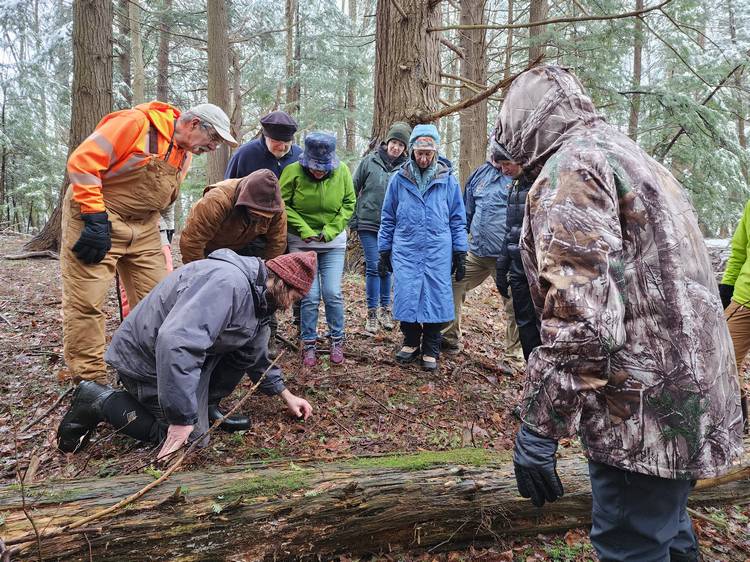
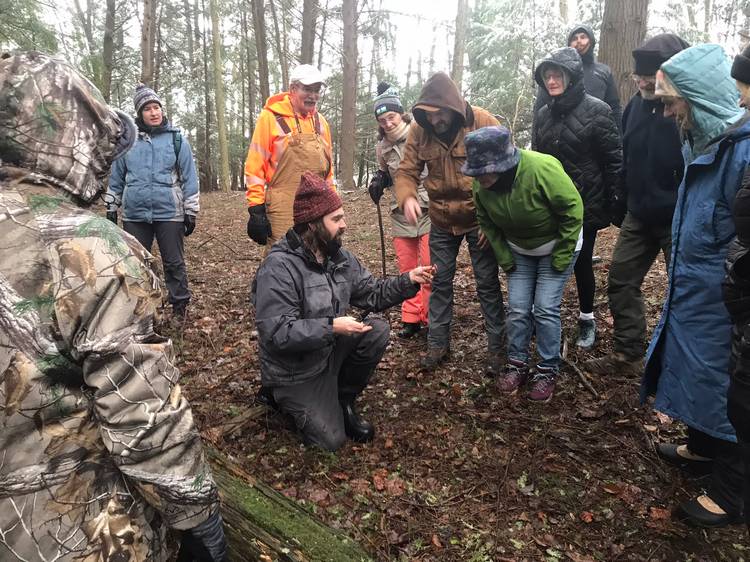
Brown says CMNH hosts regular field trips and hikes within the museum's 13,000 acres of stewarded natural areas throughout Northern Ohio.
After dark
After a long day hiking and bird watching, CMNH offers opportunities for the adults to come to the museum and blow off some steam.
Epoch is CMNH’s signature 21+ event series. Explore the Museum's all-new galleries while dancing to the beats of notable DJs, sipping cocktails, and diving into diverse areas of science through interactive experiences.
All of CMNH’s programs are supported by a robust volunteer and docent program that engages community members in helping others learn. For instance, Brown says the volunteer docent program is made up of a volunteer team of people who are "retired or way before retiring.”