
Breaking the isolation: Cuyahoga Arts & Culture-funded programs support people with disabilities
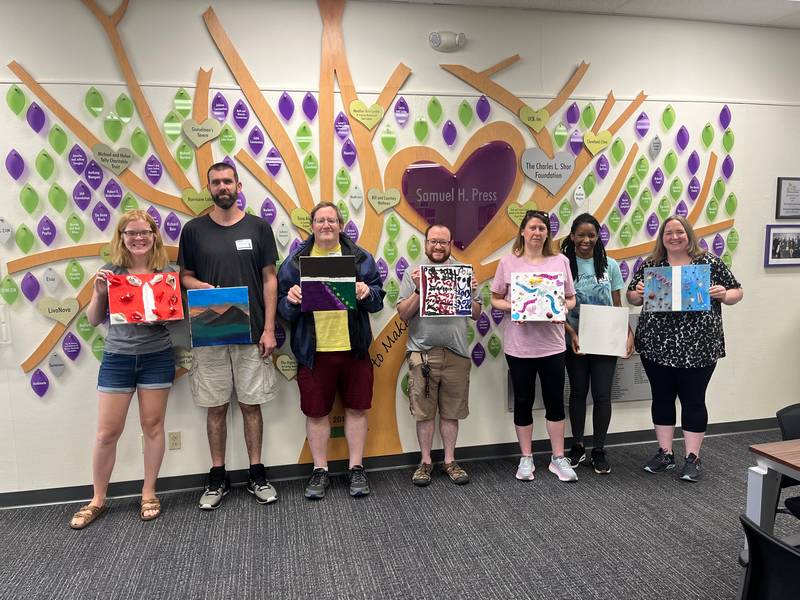

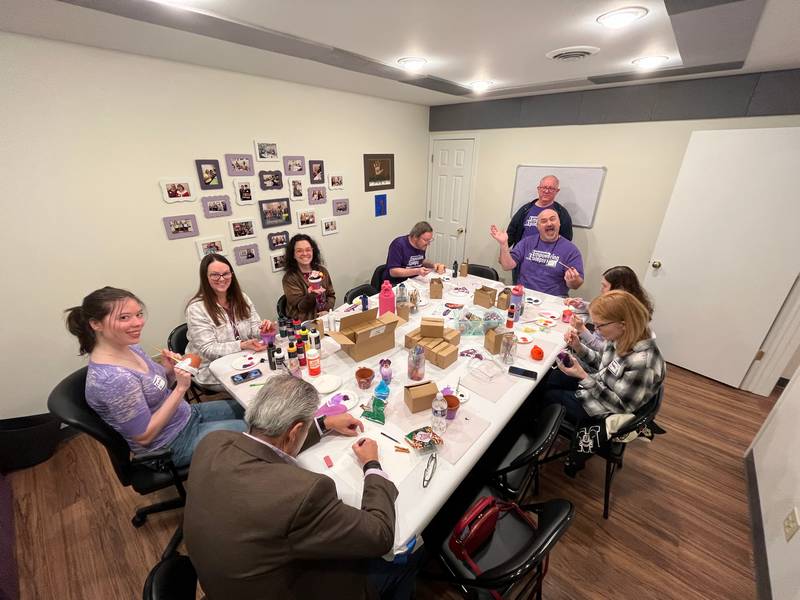
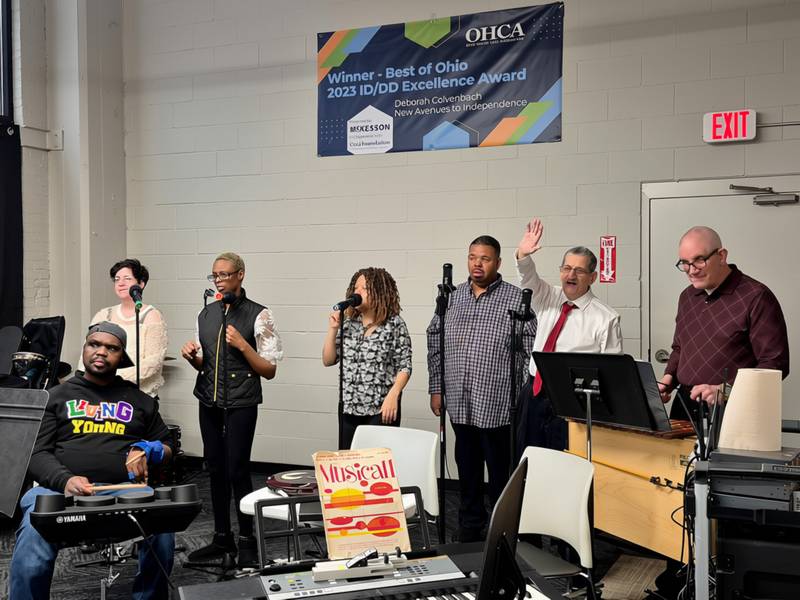
Art therapy offers a host of benefits for many people with physical, intellectual, or developmental disabilities. Painting, sculpting, and pottery are just some of the avenues for nonverbal artistic expression while helping sharpen motor skills and hand-eye coordination.
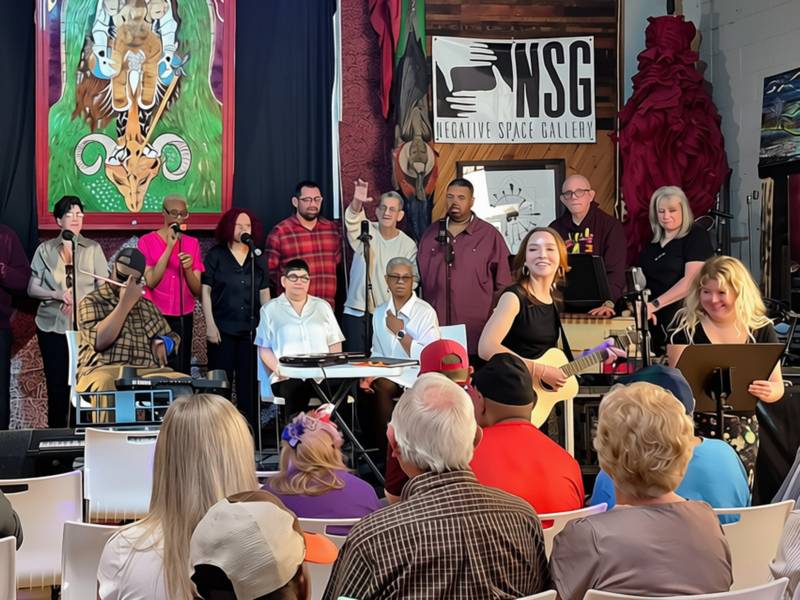 Music is a key to the mission New Avenues to Independence, a nonprofit dedicated to bettering the life of people with disabilities.Cleveland nonprofits steeped in this work are receiving a crucial financial boost from Cuyahoga Arts & Culture (CAC). Annual grants are supporting mental health initiatives or helping individuals with epilepsy build emotional resilience and self-esteem, says CAC executive director Jill Paulsen.
“The visibility of art therapy programs across Cuyahoga County continues to grow, and we are proud to fund many great projects that serve the community,” she says. “We have seen programs evolve from a broad focus to now offer services for specific conditions such as epilepsy and Parkinson’s disease.”
CAC continues to support art-centric projects centered on Northeast Ohio’s most vulnerable populations, Paulsen adds, saying, “These evidence-based programs provide vital services to help residents of all ages process emotions, build confidence, and unlock creativity.”
The best of it
In the early 1980s, Leigh Goldie was struck by a car while walking home from elementary school. Goldie flew off the hood with nothing but a bruised forehead and a few elbow scrapes.
Shortly after the accident, however, she began experiencing undefinable “weird feelings” in her chest. Those funny feelings were actually mini-seizures—a precursor to a drug-resistant epilepsy diagnosis at age 12.
Brain surgery in her 20s left Goldie mostly seizure-free. Her recovery journey inspired creation of Empowering Epilepsy, a Beachwood nonprofit dedicated to outreach for an oft-misunderstood condition.
Along with support groups and educational resources, Empowering Epilepsy provides art therapy classes that are funded by $7,500 in a CAC project support grant. Painting, drawing, and sculpting are activities that reduce stigma for a population constantly reminded of its shortcomings, says Goldie.
“We are always told what we can’t do—we can’t work, or we can’t drive,” she says. “Our goal is to change that conversation. Care and support outside the doctor’s office will get people educated about their diagnoses and help them find ways to empower their lives.”
Art classes through Empowering Epilepsy create a support network, giving participants room to process their post-diagnosis trauma. Goldie says the CAC funding covers instruction, marketing, supplies, and other key aspects of ongoing classes.
“We do any type of [artistic] medium that people want, but there’s always a theme behind it, like processing the grief of a ‘new normal,’” she says. “Our classes provide a safe space where you can hear people’s stories and get validation.”
 Along with support groups and educational resources, Empowering Epilepsy provides art therapy classes funded by $7,500 in CAC project support.The sound of joy
New Avenues to Independence gives more than 200 people with disabilities a chance for a more fulfilling life. Music is key to this mission, notes program director Debbie Colvenbach, whether it’s through organized performances or the simple joy of playing an instrument.
In addition to individual and group instrumental instruction, New Avenues offers programs like vocal technique training for singers. Visitors to a typical session may hear the rhythmic thump of bucket drumming, or the gentle strumming of a guitar. Regardless of the musical medium, the program is able to accommodate participants of all abilities, says Colvenbach.
“This is a music studio,” she says. “We have a wide range of instruments and adapt them for folks to play. There could be assisted visual charts with coded colors, or we’ll take the strings off a guitar.
“The music is adapted to everyone’s needs,” Colvenbach adds. “If people need to dance, or just talk, we’ll do that. It’s all very individualized.”
Music therapy uses rhythm, sound, and music-making to engage multiple areas of the brain simultaneously. The program at New Avenues—thanks to a $7,500 CAC project support grant—equips participants with communication tools, coping strategies, and much-needed social connection, says Colvenbach.
“The goal is to bring up energy levels, then bring them down into a relaxed state,” she says. “Let’s have shared music-making with everyone in the room. It’s a great feeling.”
Watch them grow
Jewish Family Service Association (JFSA) secured a $6,375 project support grant to fund art therapy for people navigating severe mental illness and cognitive differences. The grant money goes to art supplies with a side of off-site pottery and glass-blowing classes.
 Music is a key to the mission New Avenues to Independence, a nonprofit dedicated to bettering the life of people with disabilities.JFSA organizes field trips to the Cleveland Museum of Art to foster art appreciation among its clientele. But the nonprofit brings in outside artists as well, adding to the atmosphere of fun and accomplishment, says JFSA community activities administrator Becky Rinaldi.
“We use art to help people grow and build self-esteem,” she says. “In the groups I lead, I want people to be happy with what they’ve done. To just be proud that they created something.”
In most sessions, budding artists test their skills in painting or jewelry-making—prompting a boost to motor dexterity and cognitive function. Additionally, Rinaldi stresses the social impact of these get-togethers for a community that frequently experiences isolation.
“People are using their hands to do something, and it’s really a safe place to take risks,” Rinaldi says. “By making art and having this [CAC] investment, it’s helping people become more confident.”
