
Through the lens: Four decades of arts & entertainment with photojournalist Roger Mastroianni



Cleveland and Northeast Ohio enjoy a long history of being a premier arts and entertainment destination.
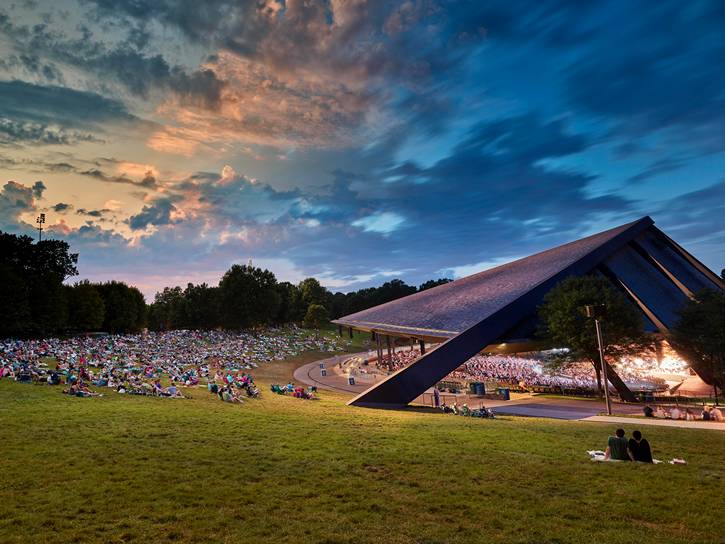
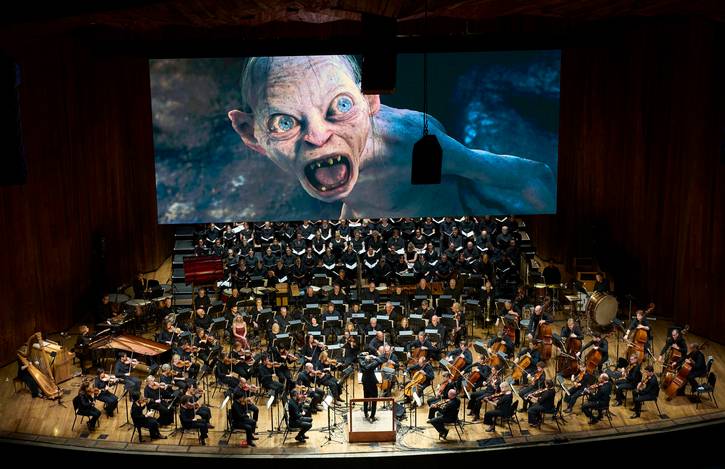
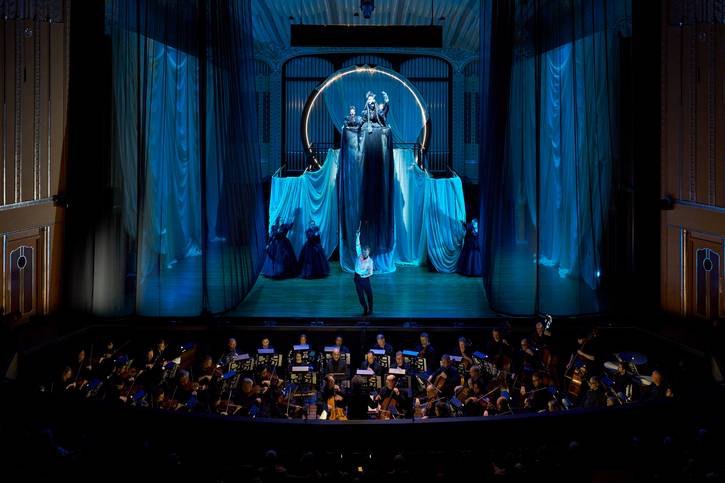
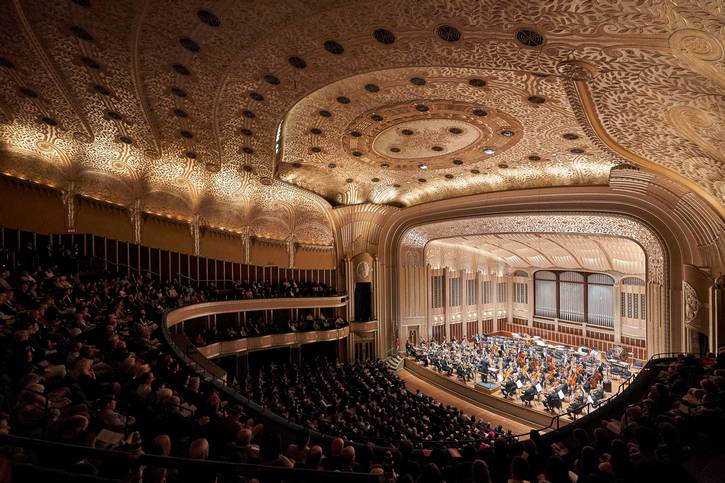
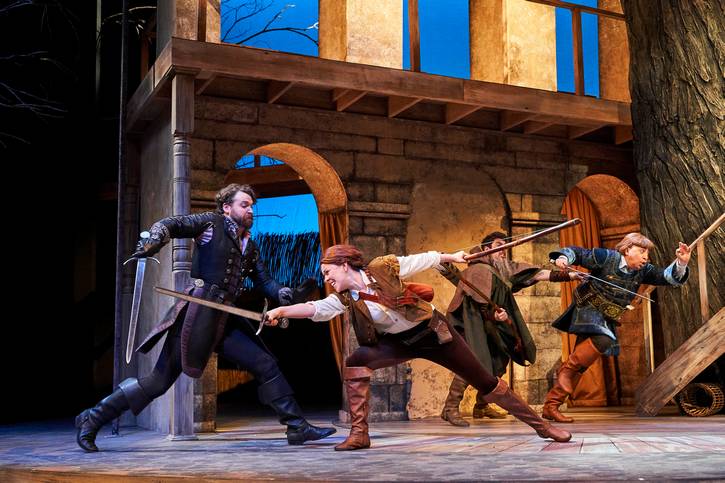
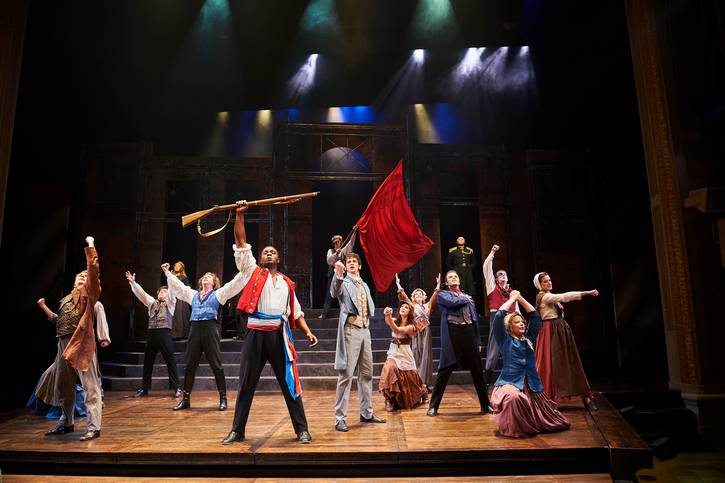
From the theaters of Playhouse Square to the revered halls at Severance Music Center and the one-of-a-kind pavilion stage at beautiful Blossom Music Center, for more than four decades photojournalist Roger Mastroianni has been the quiet eye in front of, beside, or behind the stages of these Northeast Ohio arts and entertainment landmarks—photographing and visually documenting everything from symphonies and Shakespeare to new museums and concert hall architecture.
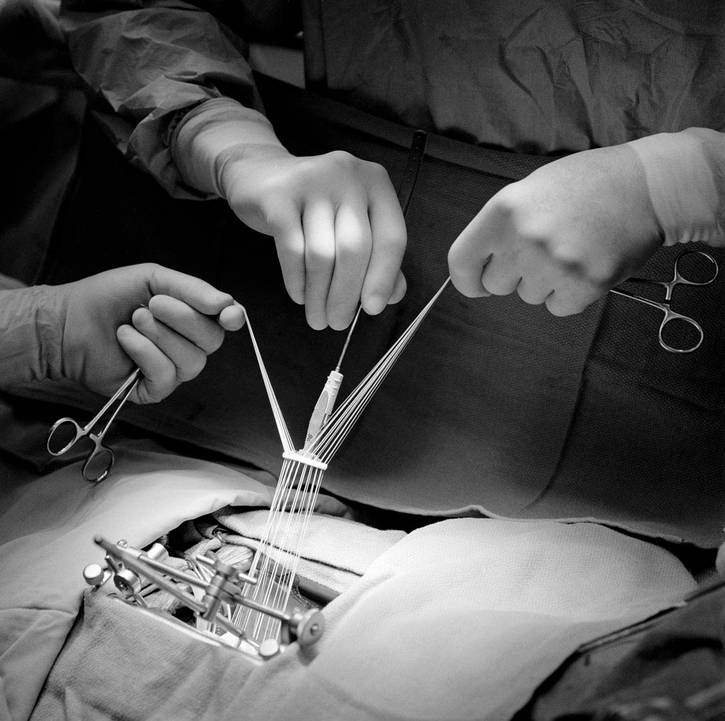
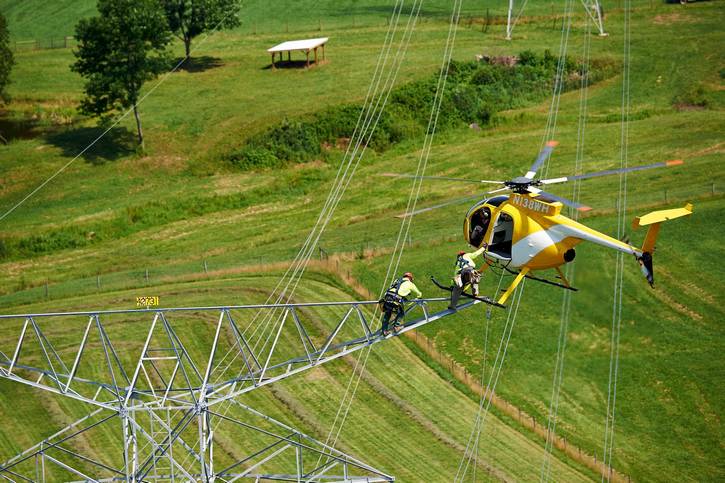
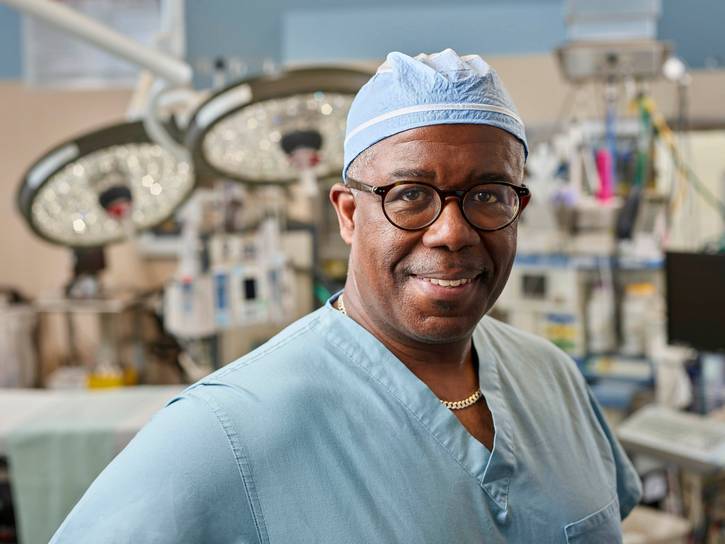
Additionally, Mastroianni has also experienced up-close and personal encounters in hospital operating rooms and LifeFlight helicopters, as well as composed corporate photo portraits in the boardrooms of many Fortune 500 companies.
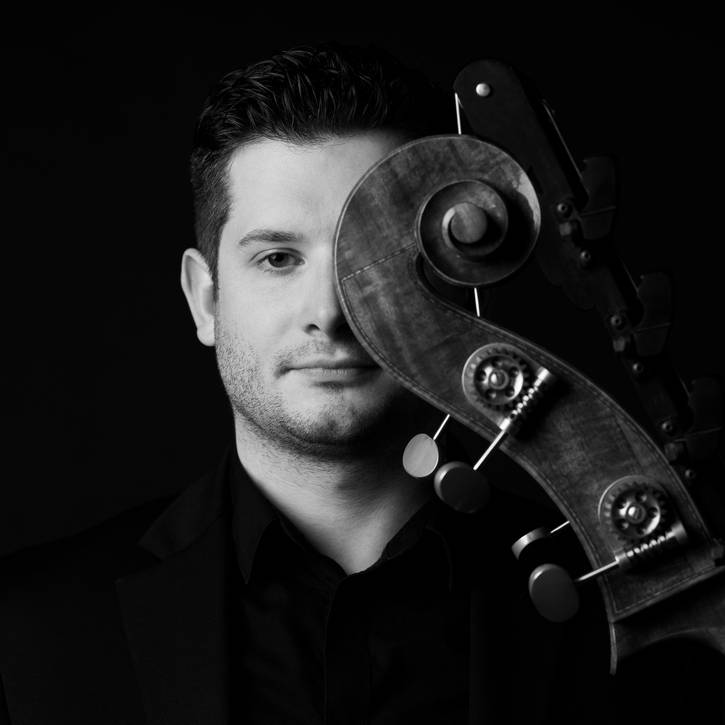
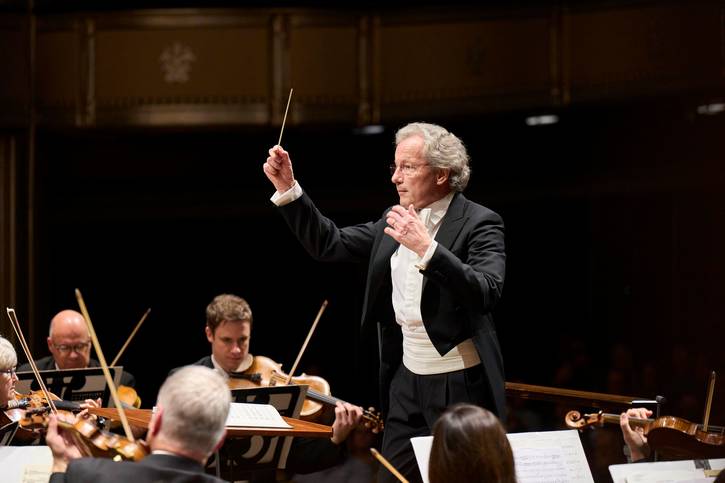
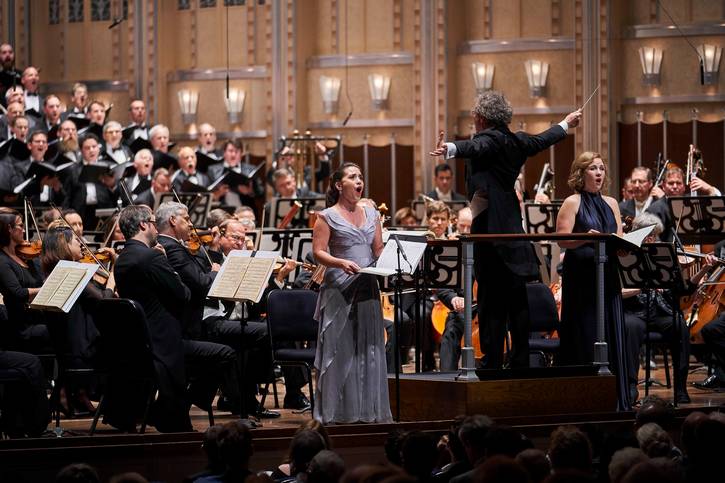
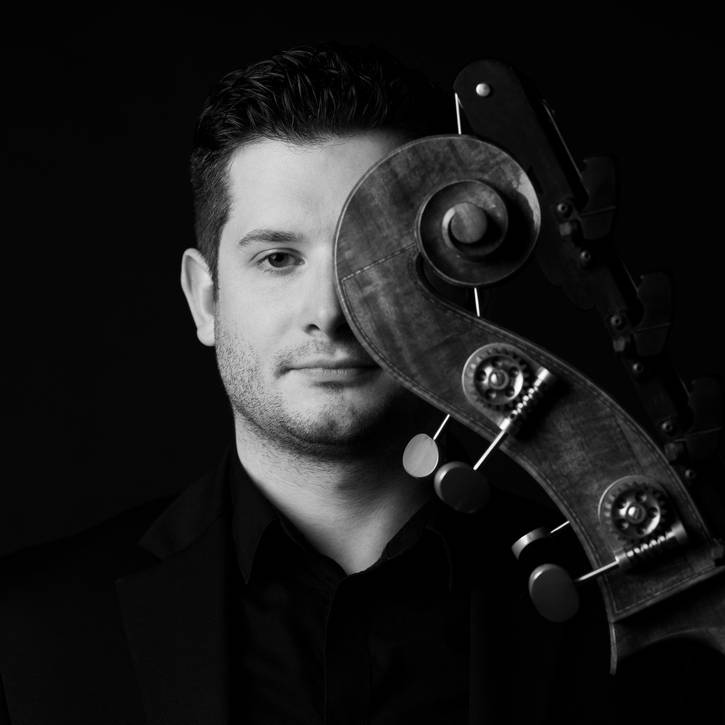 The Cleveland Orchestra portraitureHis instrument is his camera, and through it, Mastroianni has helped shape how Cleveland views its own cultural, healthcare, and corporate entities—while simultaneously earning the praise of his many clients and amassing multiple awards for his artistry.
A native Clevelander, Mastroianni is a graduate of St. Ignatius High School and Cleveland State University, and the son of Tony Mastroianni, famed entertainment writer, editor and theater critic for the “Cleveland Press.”
“I actually still have my father’s reference books on music and the theater to understand the staging,” says the younger Mastroianni. “I often keep the same ‘schedule’ he had when I’m shooting, reviewing a performance at night and delivering a review, my selected photos, on deadline that evening for the next day’s paper.”
Mastroianni started his career as a stringer for UPI (United Press International), shooting pro sports and covering stories for “New York Times,” “BusinessWeek,” “Forbes,” “Fortune,” and “Newsweek,” as well as dozens of other publications, annual reports, and local and international media channels.
The best stories
Mastroianni says he defines himself more as a photojournalist than “guy with a camera.”
“I’ve often said that shooting theater and music is much like shooting sports except there is no ball to pass around—just dialogue or musicians playing off each other’s sound,” he explains. “For instance, people often describe The Cleveland Orchestra, which I’ve been associated with for over 30 years, as one big ensemble that plays like a single voice, passing the music around the stage.
“When I photograph, I document each moment and at the end of the day, I’m responsible for reviewing every picture and determining which of these make for the best ‘story’ of that evening’s performance,” he continues.
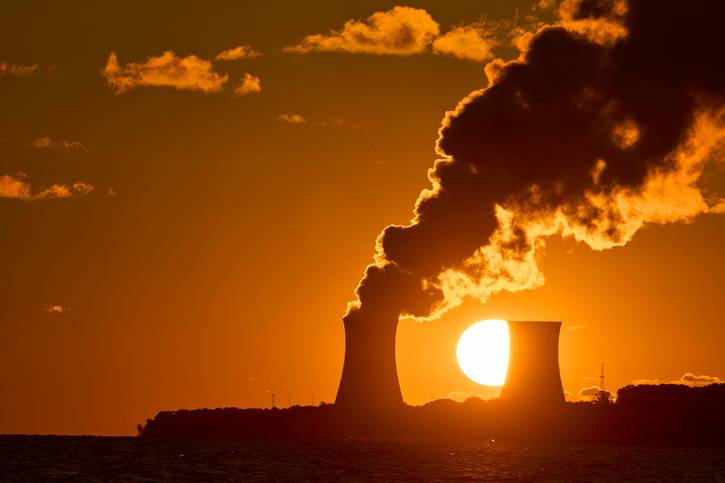
 Perry Nuclear Power PlantMastroianni describes photography as, essentially, performance art—performing with a camera instead of an instrument.
“Look at it this way; once the musician or actor is done with his work, he moves on,” he explains. “I not only capture the instant, but I have also created a historic moment that I keep—one that may be important at some point in the future.”
He says he holds that same philosophy, no matter what the venue. “On stage, in the surgical suite, the factory, the boardroom, or up in the sky, I shoot history,” Mastroianni argues. “There are plenty of photographers out there chasing cool things or a quick buck that undercuts the true professionalism of the photo industry. I’ve always, for 40 some years, tried to understand what I’m shooting and have empathy for the people who dedicate their lives to their particular craft.”
FreshWater staff decided the best way to interview Roger Mastroianni and share his story was to have local music and arts Guru Chris Abood pose some questions to Mastroianni that would allow him to fill in FreshWater readers who are unfamiliar with his work and his history:
How do you set up shots when you are photographing the orchestra or other performances?
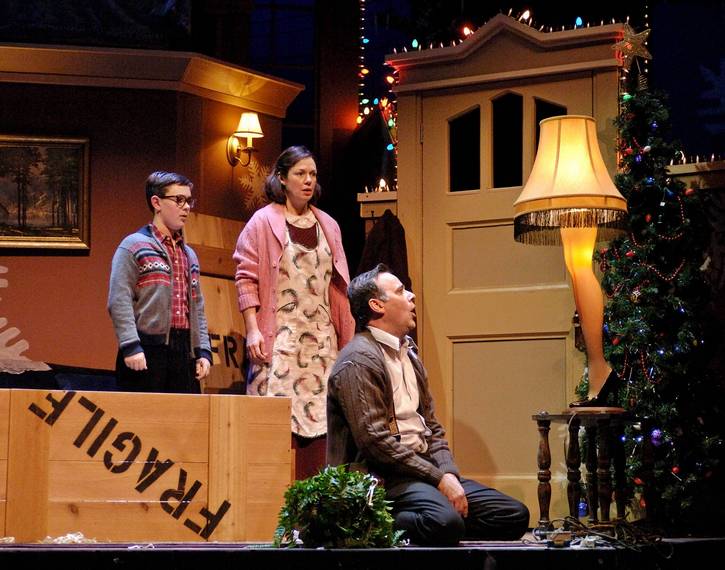
In live theater, such as Great Lakes Theater or the Cleveland Play House, I shoot the dress rehearsal, moving to various spots in the hall while the actors are performing.
I might read a synopsis of the play or listen to a symphony before the performance, as an added step to ensure I’ll get the appropriate shots.
With the Orchestra—both at Severance Hall and at Blossom Music Center—there are multiple locations to shoot from as the group is performing. Based on the music and soloists, I can coordinate shots on multiple remote cameras. There are the false boxes in the hall (seating areas that match other boxes in the hall but are just for photography or filming), a window behind the stage, plus openings on the sides of the stage at each venue (small slots that provide a view of the stage areas).
Describe the process of selecting photographs for publications or other uses.
Typically, I review my photographs soon after I take them—whether it be for music, a stage presentation, or a corporate shoot.
I make selections, then process to consider color balancing, tone, etc., before I share [the photos] with my client. It takes four to six hours of editing before selecting the final images [in time for] the next morning’s deadline.
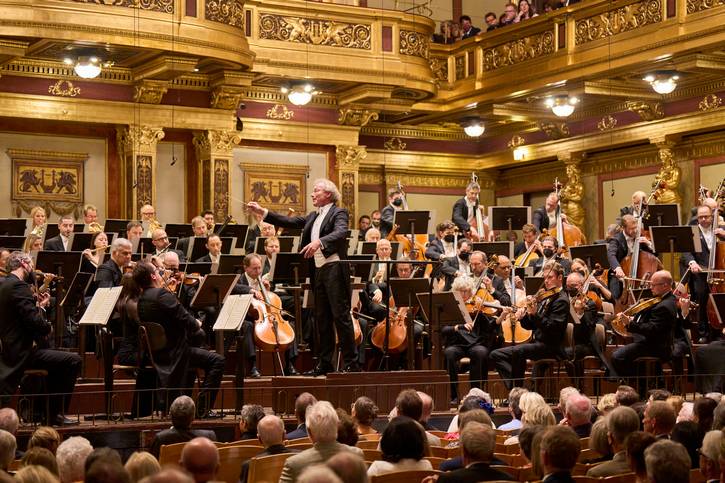
 The Cleveland Orchestra in MusikverweinPlease share a few of your most interesting experiences.
The tours with The Cleveland Orchestra, especially the [tours in the] Far East, where I shot from so many different halls. Plus, having the opportunity, however brief, to experience the culture of each location.
Years ago, I had to quickly develop the film in the hotel sink and review photos so we could share with media and wire services to support the media requests around the performance and tour for reviews.
So many experiences, and so different, depending on location!
A completely distinct [experience], but equally as exciting, was shooting in the healthcare realm. Preparing to work in the O.R. was an emotional experience, and seeing the strategic, incredible work the surgeons do to address the challenges of their patients was and continues to be amazing.
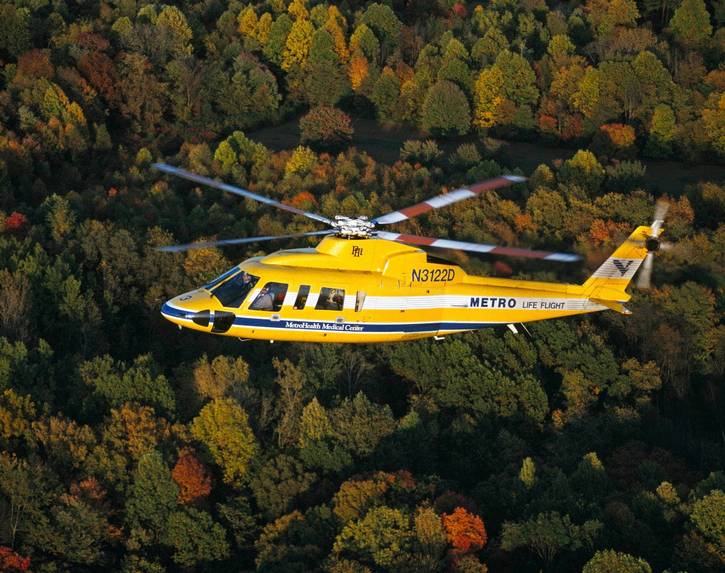
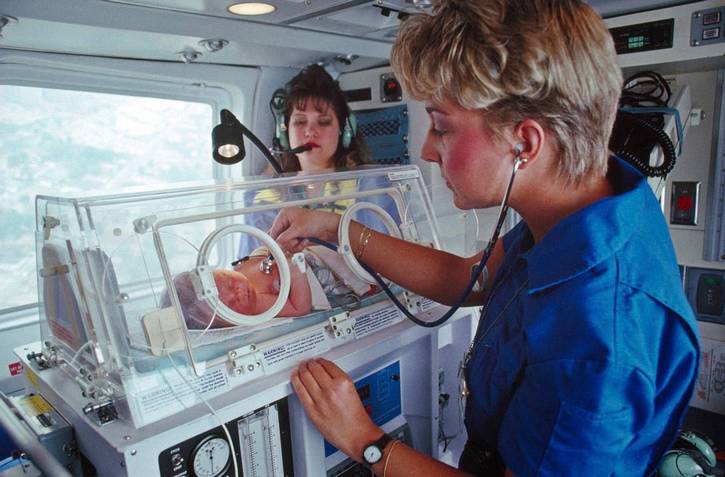
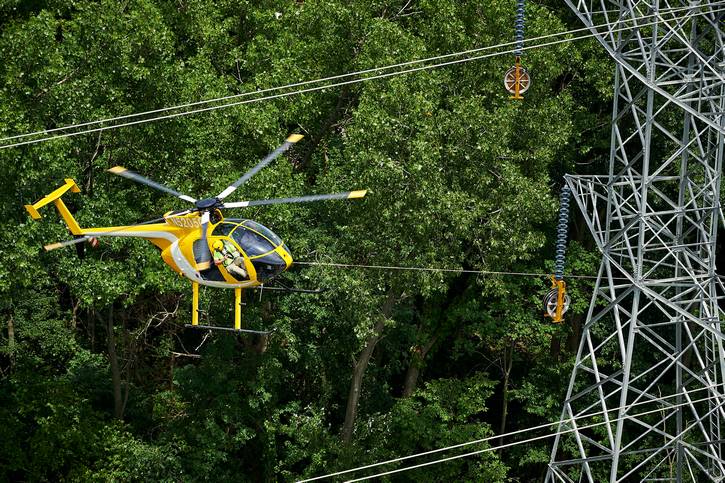
While working with Metro Life Flight and FirstEnergy I was riding in, and taking pictures from, a helicopter.
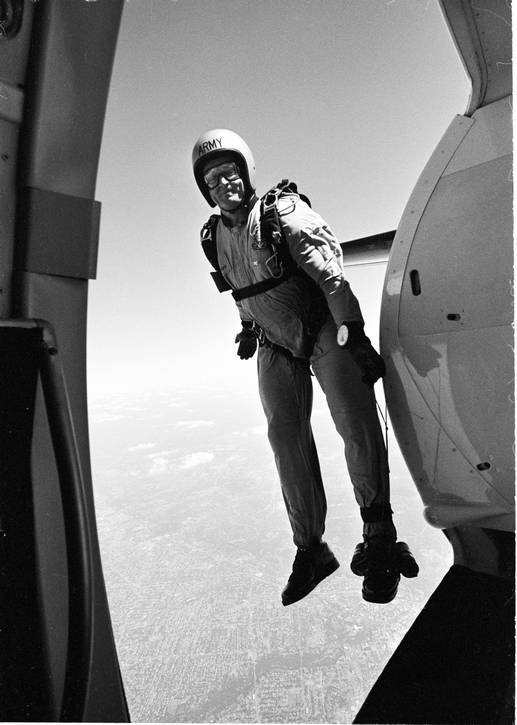
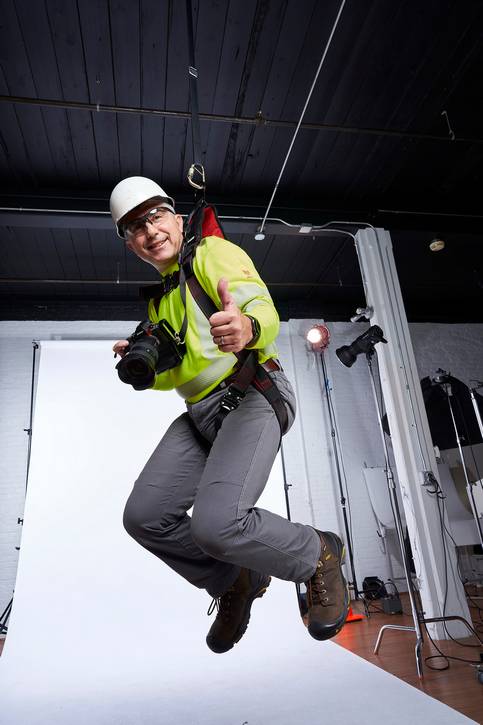
For FirstEnergy specifically, I shot air-to-air photographs capturing linemen being dropped onto transmission towers. When I was working for UPI, I was invited to shoot from the jump plane of the U.S. Army Golden Knights at the Cleveland National Air Show. The highlight was literally hanging at the edge of the door, tethered, to do the shoot.
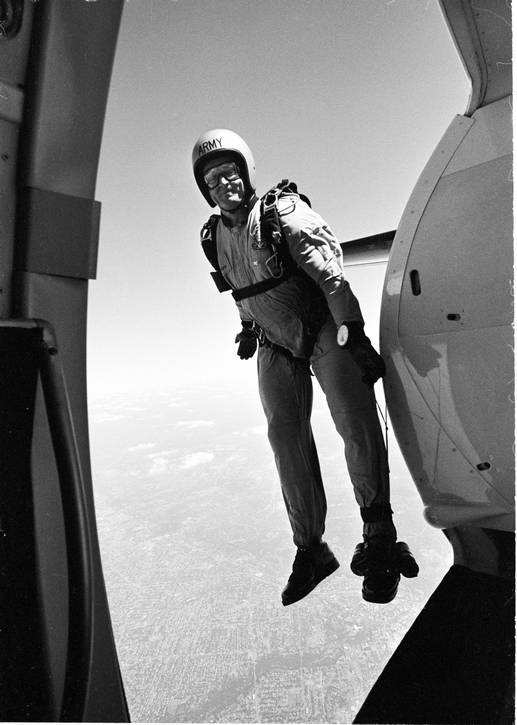 The Army Golden KnightsOn the other hand, what was your most challenging experience?
First, I try to think about every possible challenge so there aren't any surprises. But I can't control the weather, so there have been times where our plans have been delayed or changed—such as when clouds take away the shot we had set up, or determining when and where the sun will rise to provide the best view of what I'm shooting—whether it's a building for an annual report or smoke coming from a cooling tower.
And there are always logistics, such as making sure we have all security clearances to be in the position to shoot that perfect photograph.
Who are your favorite people and organizations to work with?
I’ve had some very special clients where I’ve created both personal and professional relationships.
The Orchestra, for example, where I bonded with the musicians over many years.
The Great Lakes Theater and Cleveland Play House, where I met so many young actors who I then watched mature and improve—some of whom then ended up on Broadway.
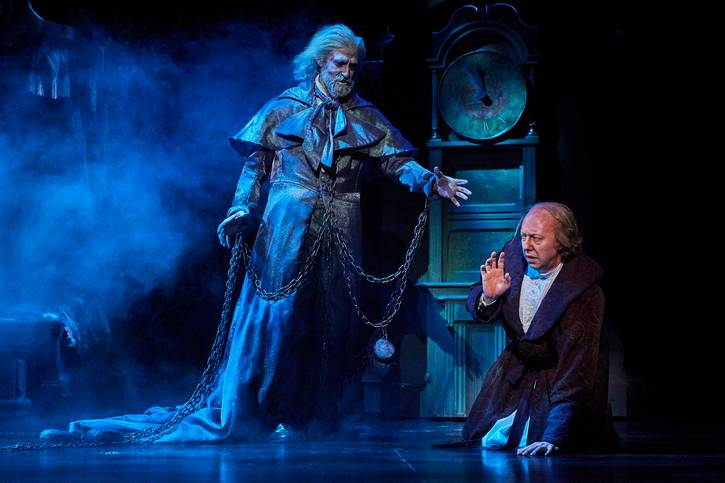
For the Great Lakes Theater, I've shot ‘A Christmas Carol’ for decades, as well as many of their Shakespeare performances, and I've marveled at the fact that so many actors prepare and perform the same play but presentations can appear so differently over the years.
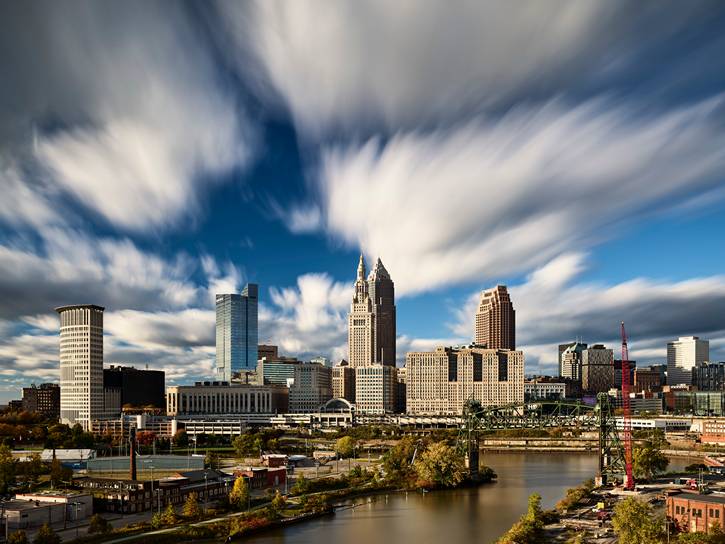
I’ve also enjoyed working with FirstEnergy, Cleveland Clinic, and University Hospitals, where I just had a featured photo show, “Long View of Cleveland: Capturing Time and Motion,” which features photo exposures up to as long as 10-minutes long—capturing landmarks and cityscapes with quiet majesty, evolving energy, and beauty with remarkable clarity and depth.
The collection was on display through June 30 at University Hospital’s Trudy Wiesenberger Gallery, located in the lobby of the Humphrey Building (11100 Euclid Ave., Cleveland 44106).
[I enjoy] getting to know the people at each organization and earning their trust.
What subjects do you most enjoy photographing?
Off the clock, I love the quiet pace of architectural and landscape photography.
When I’m working, certainly, photographing The Orchestra and theater performances are among my favorites. [It’s] totally live, not a manufactured experience, so I have to get it as “right” as possible.
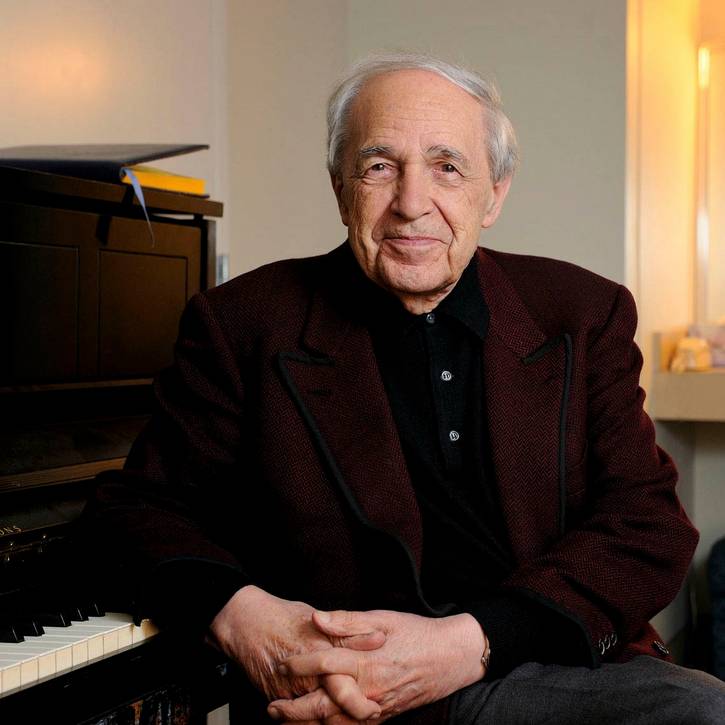
I enjoy taking personal portraits or editorial portraits for magazines. As I meet my subject, I try to capture who that individual is and how he or she fits within the scope of the company or organization where they work. There are lighting and background elements to set up to catch what my client is looking for.
Besides shooting the Cleveland Orchestra Youth Orchestra (COYO) and the Cleveland Institute of Music students, a favorite group to chronicle has been the musical theater program at Baldwin Wallace University, led by Vicky Bussert—a program that just moved to Oberlin College.
Victoria Bussert, professor of music theater for the Oberlin Conservatory of Music, likewise has appreciated his talent: “Roger has been shooting productions I’ve directed for more than 30 years. He is an extraordinary artist with an uncanny talent for capturing the humanity of every production through his stunning photographs. Roger is truly the best.”
Describe how the technology has changed since you first started.
Oh my, the difference between film and digital [photography] is enormous. When I began, the time sensitivity made the job very hard—with developing film, creating proof sheets, and getting prints to the client marketing team by the next day.
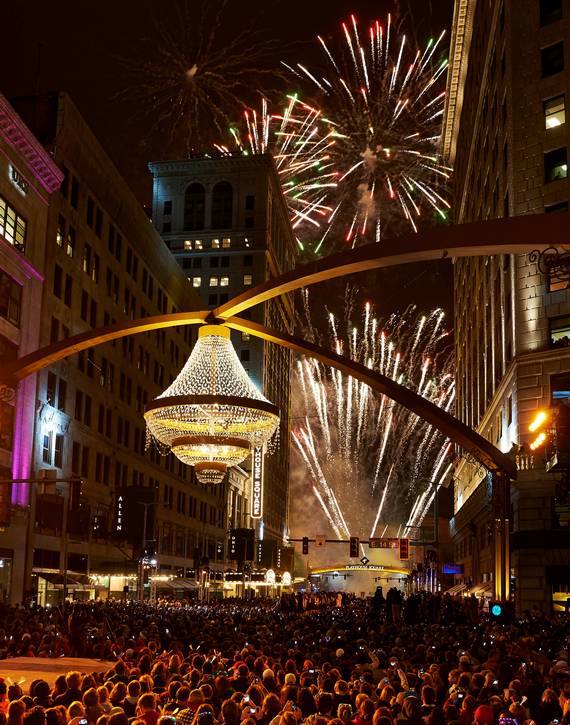
 Playhouse SquareColor correction for stage lighting was much more difficult. Frankly, while the tech has changed dramatically, it’s still a great deal of work, as digital allows me to take many more shots. Timing is everything with the shot, so having the chance to take that many more shots is so valuable to getting the best moments.
Years ago, because of the camera noise, I couldn't shoot out in the hall at Severance until the end of performances. Thankfully, the renovation of the hall in the early 2000s opened up additional spaces for filming, and accompanying advances to camera technology led to the shutter noise being eliminated. This particular innovation allowed me to move around the hall to shoot without disturbing audiences or players.
Another innovation, which I learned from my work in the sports environment, is coordinating multiple cameras to sync. The cameras in the hall sync to my primary camera, for instance, so I can take one shot from multiple angles at the exact same time.
For example, I was at Playhouse Square during the unveiling of the giant chandelier, and I had multiple cameras capturing the event from multiple angles.
Riding with the times
As technology evolves and photos can be taken with phones instead of traditional film or digital cameras, Mastroianni and his unique talent is still in demand.
The work Mastroianni delivers continues to awe clients and viewers alike. “I try to remind myself what an honor it is that Cleveland’s top arts organizations keep calling me back year after year,” he says. “They trust me with their brand consistency, their archives, their artistic story.
“In this business, people don’t often tell you what a wonderful job you did—they just call you again,” Mastroianni continues. “And, frankly, that’s the compliment that matters most.”