New life on old land: South Euclid’s housing revival builds momentum


.jpg)



A wave of residential development has been reshaping South Euclid for several years. City leaders and developers are building momentum from their housing successes four years ago with strong optimism that accomplishments can be duplicated.
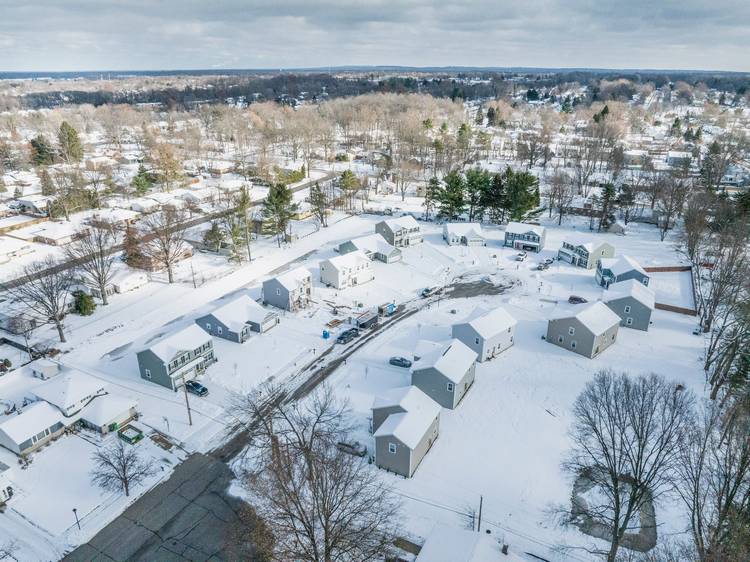
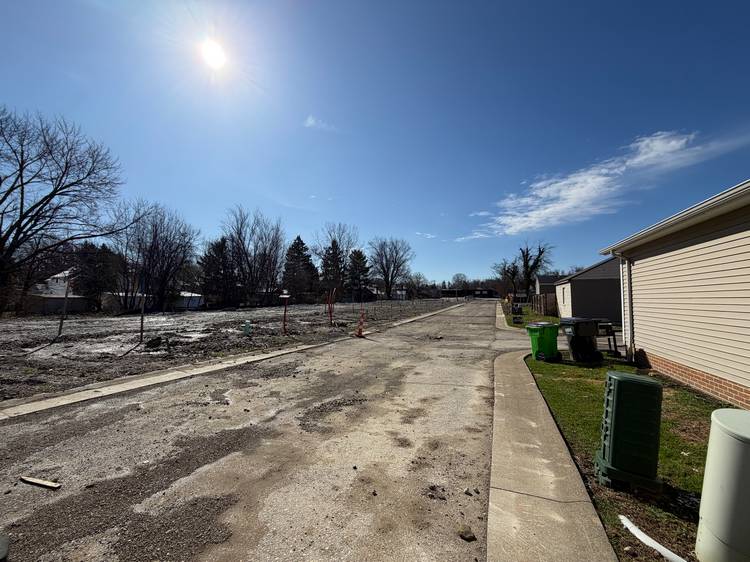
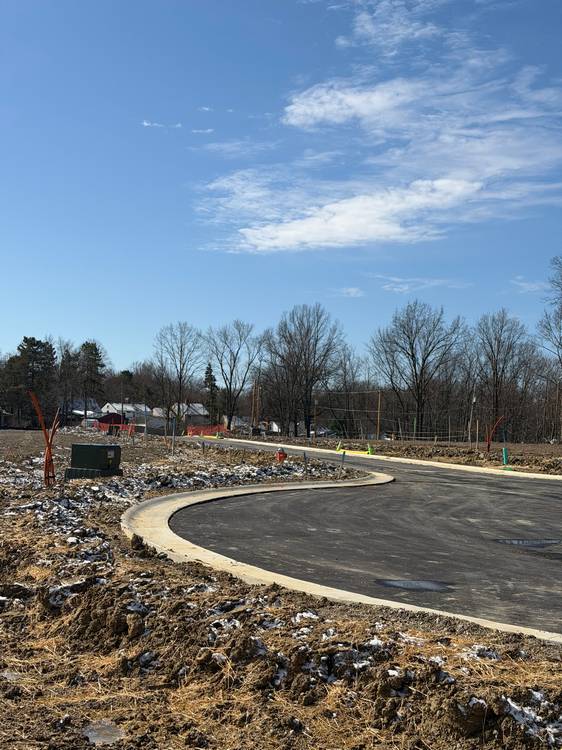
 The undeveloped land on the six acres that will become St. John Woods.The effort traces back to one redevelopment project led by South Euclid planning and development director Michael Love, who brought in Sommers Development Group and Ryan Homes to grow that one development into an all-out effort to expand housing options, reuse vacant land, and attract new residents.
That effort has taken place while the city maintains the character of existing neighborhoods.
“Basically, as far as new housing goes in South Euclid, it all began in 2022,” says Love. “This current housing movement began when Sommers Development Group purchased the former Lowden Elementary School site.”
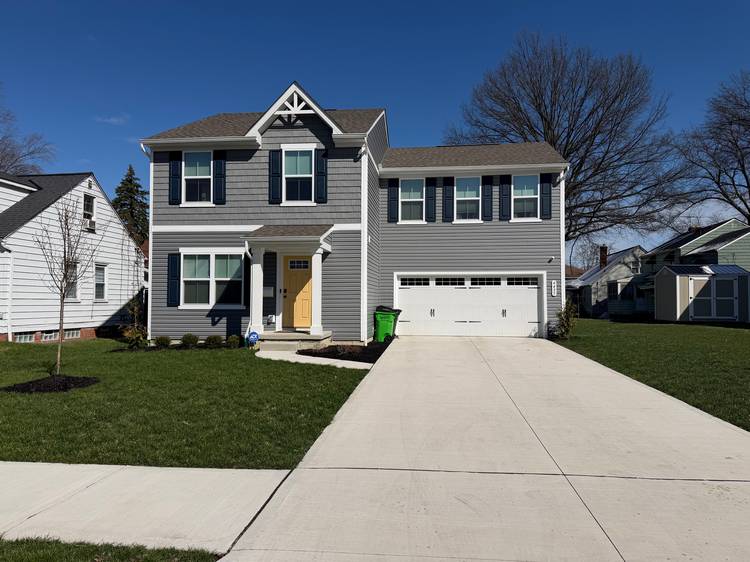
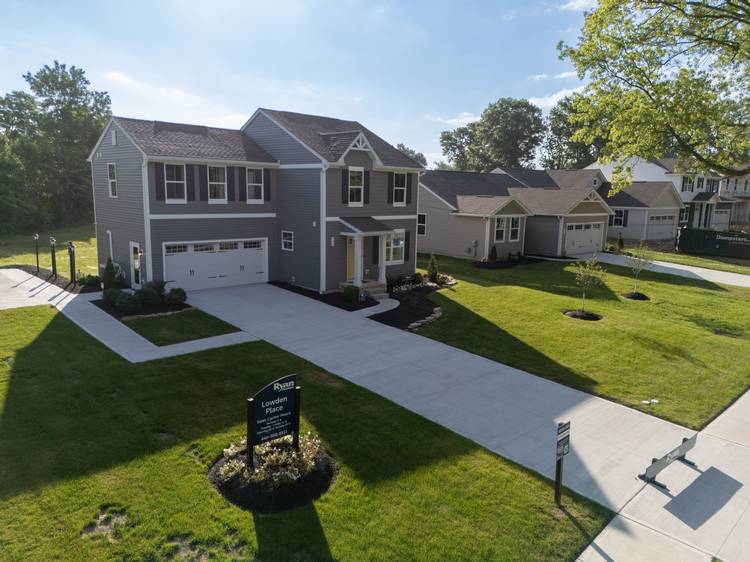
Lowden Place consists of 17 single-family homes on just under six acres of land, built in partnership with Ryan Homes. The project answered the question some local developers had been asking: Is there a market for new construction in the inner-ring suburb?
The answer was an overwhelming “yes.”
“The homes sold out immediately as they were put on the market—there was super high demand,” Love recalls. “Everything sold for $300,000 and higher. So this showed that there was definitely a market for new housing in South Euclid.”
Building on early success
Lowden Place came after Lowden Elementary closed in 2007 and was subsequently demolished. Love says it took almost 15 years of marketing the property to potential buyers, but South Euclid-Lyndhurst City Schools was able to sell the property to Sommers, which divided the property into 17 oversized lots in 2023.
After preparing the lots for development, Sommers sold them to Ryan Homes in late 2023 and all 17 homes were sold by early 2024.
 Lowden Place, 17 townhomes on the former Lowden Elementary site, sold out in February 2024 after just two weeks on the market.The project’s completion fit into South Euclid’s broader strategy to diversify its housing stock while capitalizing on strong demand.
Early efforts included not only the 17 homes at Lowden Place, but additional infill construction on nearby Greenvale Drive and scattered lots throughout the city—many of them remnants of the foreclosure crisis.
“During the foreclosure crisis, the city demolished about 70 nuisance properties throughout the city,” Love recalls. “So Sommers and Ryan purchased over 30 of them and built new infill homes—all selling for $300,000 and higher.”
The rapid pace of sales helped draw new attention from both national and local builders.
“Prior to that, builders were kind of hesitant to build in South Euclid,” Love says. “They weren’t sure the market was there. The Lowden property proved that the demand was there.”
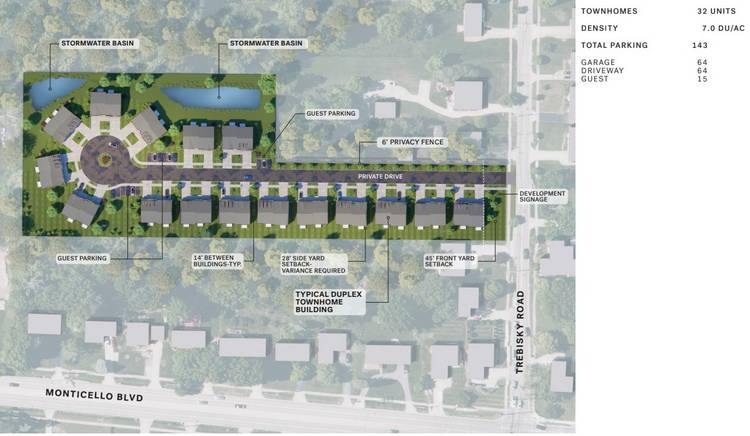
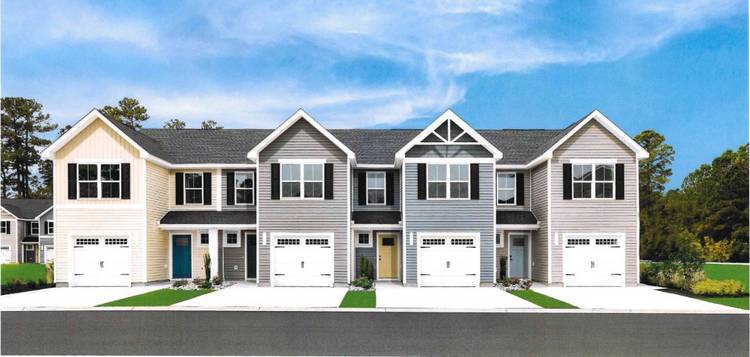
 Trebisky Grove, a stalled project from before the 2008 housing crisis, will add 32 higher-end townhomes on a vacant site, with prices starting around $400,000. South Euclid City Council approved the project in early March.Updating the zoning code
To sustain that growth, Love and other city officials tackled outdated zoning regulations.
“Basically, the city’s zoning code was written up in the late 1960s to encourage development in areas that had not yet been developed,” Love explains. “But inadvertently, it made a lot of the existing housing stock nonconforming.”
The housing department created a new infill zoning approach that is designed to align with South Euclid’s established neighborhoods and developments.
“We wrote up an infill code to allow for development to match what was already in the existing neighborhood,” Love explains. “[Developers] can build a home that matches the existing setbacks without needing any variances. That makes the process move much more efficiently and effectively.”
Love says the change has helped unlock dozens of previously difficult-to-develop parcels and streamline approvals for builders.
Expanding options
While the Lowden Place development focused heavily on single-family homes, Love says the next chapter of development introduces a wider range of housing that fits a mix of needs and lifestyles.
“We do want to encourage a diversity of housing types for people, based on the various stages of life that they’re in,” Love says. “There’s also a big section of the market that wants something different.”
Three major projects approved in 2024 reflect that shift and offer new options in the city.
Queen Ann Court is a 15-home single-family development. The homes are on an unfinished street extension off of King George Boulevard, between Anderson and McFarland Roads.
Love says the homes in the completed development are selling for at least $350,000.
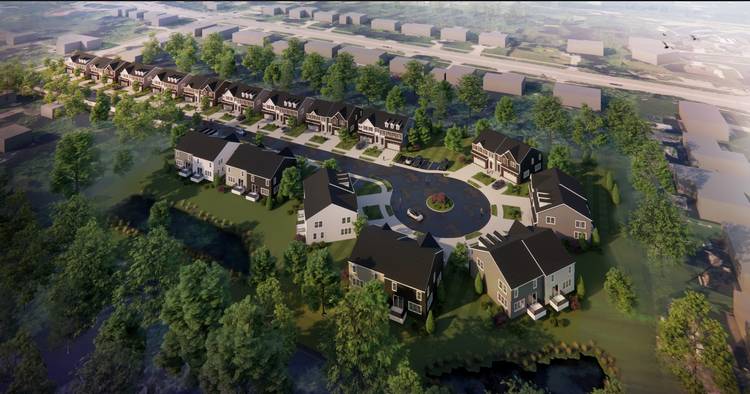
 Renderings of St. John Woods, 41 townhomes located with St. John Meadow on six-acres behind St. John Lutheran Church.Two developments are under construction on a six-acre site behind St. John Lutheran Church on Mayfield Road near South Green Road. St. John Woods is a 41-unit townhome community and St. John Meadow is a 31-unit mixed development with 28 townhomes and three single-family homes.
Both St. John developments are under construction and are located near the Mayfield Green business district.
“They’re both within walking distance of the business district,” Love says. “We hope that almost 70 new townhome units are going to bring a sense of energy [to the neighborhood] and we’ll see the spillover effect of new businesses.”
The St. John townhomes will start at $250,000 and go into the mid-$300,000 range, says Love, based on the style and the level of interior customization the buyer chooses.
An HOA will maintain all common property and landscaping. St. John Woods will feature a common area green space that will serve as a community gathering space for the residents.
A measurable boom
Several of the new developments are rising on land that has sat idle for years, even decades. The projects highlight the city’s focus on reinvestment.
One site near St. John Meadow, for example, was once home to the Prasse Road Basket Factory near St. Francis Court, on the corner of Green and Mayfield Roads, which reportedly operated from 1860 until a fire destroyed it in 1966.
“It’s really good news to see that site be developed,” Love says.
 The Prasse Basket Factory in 1860, at the corner of Green and Mayfield Roads.Other sites, like Trebisky Grove, were stalled projects from before the 2008 housing crisis and are now moving forward as market conditions improve.
Trebisky Grove will add 32 higher-end townhomes on a long-vacant site, with prices starting around $400,000. South Euclid City Council approved the project in early March.
Love says they expect to add about 200 new housing units in the city by early 2028.
“In total, we’re closing in on 200 new homes, which is definitely a housing boom for a built-out community like South Euclid,” Love says.
Those 200 homes include more than 75 single-family homes and more than 100 townhomes—creating new opportunities for a wide range of potential buyers, from young professionals and empty nesters to growing families.
Community input
As development accelerates, Love says city officials have worked to balance growth with neighborhood concerns.
“I think it runs the gamut,” Love says of reactions to the project. “People looking for new homes are extremely excited [while] residents within the neighborhoods have questions, as they should.”
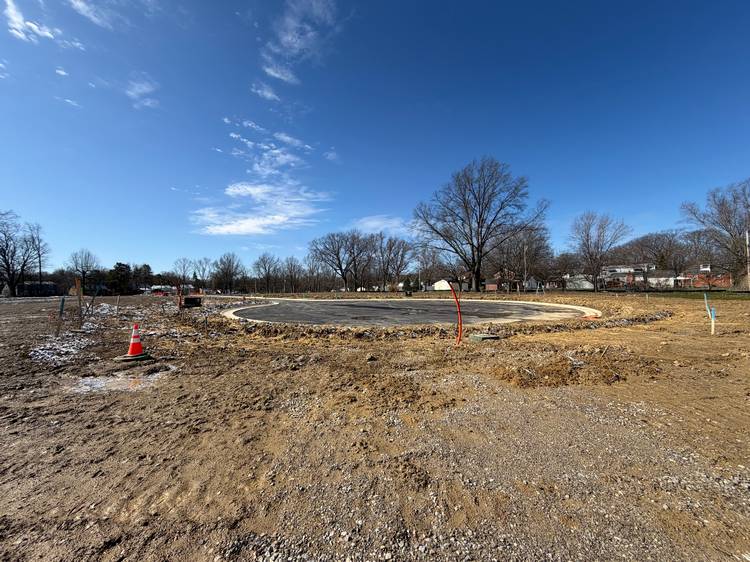
 The six acres behind St. John Lutheran Church, where St. John Meadow will be.To address those concerns, Love says his team hosts informal, invite-only meetings with residents near development areas before projects enter the formal approval process.
“It’s a way to introduce the project,” says Love, “and offer the opportunity for the community to speak and voice their concerns.”
Developers, in turn, have responded by adjusting plans based on feedback—an approach that Love says has helped build trust and smooth the path forward.
“When residents reach out, [the developers] respond directly,” Love adds. “They are very responsive—they want to make things right.”
Looking ahead
With roughly 40 buildable lots still available and with continued interest from developers, Love predicts South Euclid’s housing momentum will continue.
“I do believe those remaining buildable lots will be sold within the next 12 to 18 months,” he says. “It’s very exciting to see diversity in the infill housing, see different developers.”
For a city once defined by mid-century homes and limited new construction, the current surge represents more than a building boom—it signals a broader evolution. Love advises residents to stay tuned.
“Hopefully, we’ll have more projects to share,” Love says. “There may be more to come.”