
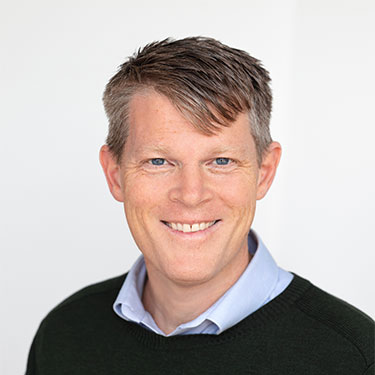
Lee Chilcote
Stories by: Lee Chilcote
Lee Chilcote is an award-winning journalist, writer, and author whose writing has been published in The Washington Post, Associated Press, National Public Radio, Chronicle of Philanthropy, Vanity Fair, Next City, Belt, The Cleveland Plain Dealer, Cleveland Magazine, Crain's Cleveland Business, and many literary journals and anthologies. He has also written poetry chapbooks, produced plays, and won a grant from the Ohio Arts Council. He is founder and past editor of The Land, a local news organization reporting on Cleveland's neighborhoods, and founder and past executive director of Literary Cleveland. He lives in the Detroit Shoreway neighborhood of Cleveland with his family.

Architect Joe Hanna's design work can be found in restaurants and buildings from the Gordon Square Arts District to downtown Cleveland and Shaker Square. As owner of the Caxton Cafe in the early 1990s, he claims to have pioneered the rebirth of the Gateway District.
Recently, Hanna has set his sights on the funky, independent-minded Larchmere district, where cozy antique shops nudge up against friendly taverns and hip new boutiques. Twenty years later, Hanna has returned to the restaurant business, this time in a charming house-turned-cafe smack in the middle of Larchmere.
Bon Vivant, a French bistro that opened earlier this month, occupies the former Vine and Bean and Cafe Limbo space at Larchmere and East 127th Street. Hanna says the cafe will feature classic French dishes such as steak frite as well as vegetarian favorites favored by patrons of Limbo and Vine and Bean.
"Our goal is to give people another reason to frequent Larchmere," says Hanna, who has partnered with investor Marie-Rose Andriadi, chef Tom Rindleisch and artist James Longs on the cafe. "People have always loved the patio, so we've really made that an emphasis."
In addition to the cute backyard patio, Hanna spruced up the postage stamp yard in front and added five tables with umbrellas for a sidewalk dining experience. He has also added two outside bars on the rear patio and an outdoor lounge area. Finally, he renovated the interior with white marble tables and a fresh look.
Most of Bon Vivant's entrees are priced under $20, and Hanna plans to eventually open for lunch. For now, though, Bon Vivant is open daily from 4 pm until 12 am.
Source: Joe Hanna
Writer: Lee Chilcote
Recently, Hanna has set his sights on the funky, independent-minded Larchmere district, where cozy antique shops nudge up against friendly taverns and hip new boutiques. Twenty years later, Hanna has returned to the restaurant business, this time in a charming house-turned-cafe smack in the middle of Larchmere.
Bon Vivant, a French bistro that opened earlier this month, occupies the former Vine and Bean and Cafe Limbo space at Larchmere and East 127th Street. Hanna says the cafe will feature classic French dishes such as steak frite as well as vegetarian favorites favored by patrons of Limbo and Vine and Bean.
"Our goal is to give people another reason to frequent Larchmere," says Hanna, who has partnered with investor Marie-Rose Andriadi, chef Tom Rindleisch and artist James Longs on the cafe. "People have always loved the patio, so we've really made that an emphasis."
In addition to the cute backyard patio, Hanna spruced up the postage stamp yard in front and added five tables with umbrellas for a sidewalk dining experience. He has also added two outside bars on the rear patio and an outdoor lounge area. Finally, he renovated the interior with white marble tables and a fresh look.
Most of Bon Vivant's entrees are priced under $20, and Hanna plans to eventually open for lunch. For now, though, Bon Vivant is open daily from 4 pm until 12 am.
Source: Joe Hanna
Writer: Lee Chilcote

Don Hayes has a new vision for Cleveland's fashion industry, and the design coop that he's building in a renovated factory on the near west side is helping to make it real by spotlighting young, local designers.
"The fashion scene in Cleveland has a lot of potential," he says. "There are a number of designers here, but people aren't necessarily aware of them."
Recently, Hayes launched Design Lab Inc., a fashion co-op consisting of three separate companies: Cloud 9 Boutique, Project Model Academy and Cloud 9 Event and Royal Wedding Planning. Cloud 9 boutique showcases 11 local designers.
In a former torpedo factory off of Clark and West 33rd with exposed brick walls and lofted ceilings, Hayes and another designer create and sell clothes on site.
"You can literally watch clothes go from the sewing machine to the rack," Hayes says of the 2,500 square foot space, which is at once a studio, office and store.
Hayes also partners with Collinwood High School to offer interns the opportunity to work in the fashion industry. "You don't have to leave Cleveland to be successful, and it's helpful to have a mentor on that journey."
Source: Don Hayes
Writer: Lee Chilcote
"The fashion scene in Cleveland has a lot of potential," he says. "There are a number of designers here, but people aren't necessarily aware of them."
Recently, Hayes launched Design Lab Inc., a fashion co-op consisting of three separate companies: Cloud 9 Boutique, Project Model Academy and Cloud 9 Event and Royal Wedding Planning. Cloud 9 boutique showcases 11 local designers.
In a former torpedo factory off of Clark and West 33rd with exposed brick walls and lofted ceilings, Hayes and another designer create and sell clothes on site.
"You can literally watch clothes go from the sewing machine to the rack," Hayes says of the 2,500 square foot space, which is at once a studio, office and store.
Hayes also partners with Collinwood High School to offer interns the opportunity to work in the fashion industry. "You don't have to leave Cleveland to be successful, and it's helpful to have a mentor on that journey."
Source: Don Hayes
Writer: Lee Chilcote

Designer Will Kesling recently launched Pixel Thought Foundry, a web, motion and print design studio, in a cozy 750 square foot office suite above Geiger's Sporting Goods in downtown Lakewood.
In doing so, he not only gladly gave up his cluttered home office, but also joined the ranks of a growing number of entrepreneurs who are choosing Lakewood.
"Lakewood is really supportive of small businesses," says Kesling, a Pittsburgh native who moved to Cleveland to work for a major firm before going out on his own. "There's a lot of opportunity to start a business and keep your overhead low. Space is affordable, so you don't have to worry about whether you’ll make rent."
One of the advantages of doing business in downtown Lakewood, Kesling says, is that there are a bevy of like-minded firms within walking distance -- or even in the same building. Pixel Thought Foundry, for instance, is located on the same floor as Sprokets, another small, Lakewood-based web development firm.
"There's a really good network here, and we can provide the same services as larger companies by teaming up," says Kesling. "That's how we get our A team."
Pixel Thought Foundry specializes in helping clients to develop research-driven marketing and web development strategies. Recently, Kesling says, he's carved out a successful niche by helping authors to develop trailers for their new books.
Source: Will Kesling
Writer: Lee Chilcote
In doing so, he not only gladly gave up his cluttered home office, but also joined the ranks of a growing number of entrepreneurs who are choosing Lakewood.
"Lakewood is really supportive of small businesses," says Kesling, a Pittsburgh native who moved to Cleveland to work for a major firm before going out on his own. "There's a lot of opportunity to start a business and keep your overhead low. Space is affordable, so you don't have to worry about whether you’ll make rent."
One of the advantages of doing business in downtown Lakewood, Kesling says, is that there are a bevy of like-minded firms within walking distance -- or even in the same building. Pixel Thought Foundry, for instance, is located on the same floor as Sprokets, another small, Lakewood-based web development firm.
"There's a really good network here, and we can provide the same services as larger companies by teaming up," says Kesling. "That's how we get our A team."
Pixel Thought Foundry specializes in helping clients to develop research-driven marketing and web development strategies. Recently, Kesling says, he's carved out a successful niche by helping authors to develop trailers for their new books.
Source: Will Kesling
Writer: Lee Chilcote

Groundworks Dance Theater recently presented an original work choreographed by Lynne Taylor-Corbett that featured rousing Broadway-style choreography set to the music of the 80s band the Pretenders.
The show wasn't exactly what comes to mind when one thinks of contemporary dance, and audiences loved it. Groundworks General Manager Beth Rutkowski says her organization is using performances like this to reach new audiences in Cleveland.
"There are a lot of people who say, 'I'm not really a modern dance person and modern dance is weird,'" says Rutkowski. "Yet if we're able to get them in the door, they find our work is extremely accessible. It's getting past that barrier."
Connecting diverse, new audiences to Cleveland's rich arts and culture groups is the purpose of Engaging the Future, an initiative by the Cleveland Foundation to help arts organizations think differently about how to grow their audiences.
"It's about more than just putting butts in seats," says Rutkowski. "We're looking at ways to engage different people and a more diverse audience. Audiences for many arts organizations in Cleveland are getting older and are for the most part white. We want to look at new ways of thinking and share best practices."
Some of the new ideas Groundworks is considering include collaborating with other groups; stressing a more interactive relationship with its audience; offering performances online for younger audiences that want to "self-curate"; hosting evening gatherings of creative individuals, including entrepreneurs, to explore the relationship between art and creativity; and developing a series of videos called "It's Your Move" that connect dance to regular, everyday body movements.
Engaging the Future recently released a survey and hopes to glean audience information from it that will help organizations to chart a course in the future.
Source: Beth Rutkowski, Kristin Puch
Writer: Lee Chilcote
The show wasn't exactly what comes to mind when one thinks of contemporary dance, and audiences loved it. Groundworks General Manager Beth Rutkowski says her organization is using performances like this to reach new audiences in Cleveland.
"There are a lot of people who say, 'I'm not really a modern dance person and modern dance is weird,'" says Rutkowski. "Yet if we're able to get them in the door, they find our work is extremely accessible. It's getting past that barrier."
Connecting diverse, new audiences to Cleveland's rich arts and culture groups is the purpose of Engaging the Future, an initiative by the Cleveland Foundation to help arts organizations think differently about how to grow their audiences.
"It's about more than just putting butts in seats," says Rutkowski. "We're looking at ways to engage different people and a more diverse audience. Audiences for many arts organizations in Cleveland are getting older and are for the most part white. We want to look at new ways of thinking and share best practices."
Some of the new ideas Groundworks is considering include collaborating with other groups; stressing a more interactive relationship with its audience; offering performances online for younger audiences that want to "self-curate"; hosting evening gatherings of creative individuals, including entrepreneurs, to explore the relationship between art and creativity; and developing a series of videos called "It's Your Move" that connect dance to regular, everyday body movements.
Engaging the Future recently released a survey and hopes to glean audience information from it that will help organizations to chart a course in the future.
Source: Beth Rutkowski, Kristin Puch
Writer: Lee Chilcote

Before a packed house at Severance Hall, Cleveland Foundation President Ronn Richard touted the city's accomplishments in becoming a hub of innovation and taking bold steps to address big problems at the foundation's annual meeting this Tuesday.
Waxing poetic on the gilded stage for a moment, Richard harkened back to the foundation's early days in the 1910's as a time of tremendous innovation in Cleveland. "I still wonder if the past might be prologue," he mused, noting that the foundation's centennial is just two years away. "Can we envision the spirit of a second renaissance in Cleveland?"
Richard also posed a challenge to civic leaders to remain focused on true economic development and social change within the city. "Physical development, as wonderful as it is, must be coupled with investment in people and placemaking," he said, noting that the building spree of the 1990s was too focused on bricks and mortar projects. "We need to invest in connecting communities."
Among the foundation's projects, Richard touted the Cleveland schools plan that recently passed the state legislature, ongoing investments in high quality urban education, economic development programs such as the HealthTech Corridor and the Evergreen Cooperatives, and programs to connect new audiences to the arts.
Richard also told the audience that later this year the Cleveland Foundation will unveil a new microlending program for entrepreneurs seeking loans under $50,000 to help spur job creation and assist the creation of startups.
Source: Ronn Richard
Writer: Lee Chilcote
Waxing poetic on the gilded stage for a moment, Richard harkened back to the foundation's early days in the 1910's as a time of tremendous innovation in Cleveland. "I still wonder if the past might be prologue," he mused, noting that the foundation's centennial is just two years away. "Can we envision the spirit of a second renaissance in Cleveland?"
Richard also posed a challenge to civic leaders to remain focused on true economic development and social change within the city. "Physical development, as wonderful as it is, must be coupled with investment in people and placemaking," he said, noting that the building spree of the 1990s was too focused on bricks and mortar projects. "We need to invest in connecting communities."
Among the foundation's projects, Richard touted the Cleveland schools plan that recently passed the state legislature, ongoing investments in high quality urban education, economic development programs such as the HealthTech Corridor and the Evergreen Cooperatives, and programs to connect new audiences to the arts.
Richard also told the audience that later this year the Cleveland Foundation will unveil a new microlending program for entrepreneurs seeking loans under $50,000 to help spur job creation and assist the creation of startups.
Source: Ronn Richard
Writer: Lee Chilcote

Chloe Hopson knows firsthand the disparity between urban and suburban arts education programs. Having grown up on South Moreland on the edge of Shaker Heights and Cleveland, she flourished in the arts-rich Shaker Heights school system while many of her Cleveland friends lacked similar opportunities.
That's why Hopson founded the Passport Project 14 years ago. She wanted to provide arts programs to youth living in the Buckeye, Larchmere and Shaker Square neighborhoods, and expose them to different cultures across the globe. "We help kids in the Cleveland Metropolitan School District to build literacy skills, and we also help them see that there's a whole world out there," she says.
Now this "local girl with a global perspective," as she calls herself, is working with other arts organizations, residents and businesses in the community to launch Shaker Square Arts. The new organization will offer a range of free programming and classes and will use the historic Shaker Square shopping plaza as its home base.
"We're looking to create a more vibrant neighborhood and one where we get to know each other," says Hopson, who now lives in the Larchmere neighborhood and operates the Passport Project in a storefront at Buckeye and East 128th Street. "We hope to bring people together across perceived lines of difference."
Some of the programs include West African dance and percussion classes, capoeira classes, storytelling workshops and "Drinks and Doodles." This "happy hour with a twist" will invite attendees to draw on a napkin and enter their creation into a contest to win a $25 gift certificate from a local Shaker Square merchant.
Some of the partners involved in Shaker Square Arts include the Passport Project, Lake Erie Artists, City Dance, the Coral Company and area artists and residents. The free classes are supported by a grant from Neighborhood Connections.
A Drinks and Doodles happy hour will take place on Thursday, June 21st from 5-7 pm at Dewey's Coffee Shop. A free West African percussion and dance class will be held this Saturday, June 23rd from 12:30-2 pm right before Larchmere Porchfest.
Source: Chloe Hopson
Writer: Lee Chilcote
That's why Hopson founded the Passport Project 14 years ago. She wanted to provide arts programs to youth living in the Buckeye, Larchmere and Shaker Square neighborhoods, and expose them to different cultures across the globe. "We help kids in the Cleveland Metropolitan School District to build literacy skills, and we also help them see that there's a whole world out there," she says.
Now this "local girl with a global perspective," as she calls herself, is working with other arts organizations, residents and businesses in the community to launch Shaker Square Arts. The new organization will offer a range of free programming and classes and will use the historic Shaker Square shopping plaza as its home base.
"We're looking to create a more vibrant neighborhood and one where we get to know each other," says Hopson, who now lives in the Larchmere neighborhood and operates the Passport Project in a storefront at Buckeye and East 128th Street. "We hope to bring people together across perceived lines of difference."
Some of the programs include West African dance and percussion classes, capoeira classes, storytelling workshops and "Drinks and Doodles." This "happy hour with a twist" will invite attendees to draw on a napkin and enter their creation into a contest to win a $25 gift certificate from a local Shaker Square merchant.
Some of the partners involved in Shaker Square Arts include the Passport Project, Lake Erie Artists, City Dance, the Coral Company and area artists and residents. The free classes are supported by a grant from Neighborhood Connections.
A Drinks and Doodles happy hour will take place on Thursday, June 21st from 5-7 pm at Dewey's Coffee Shop. A free West African percussion and dance class will be held this Saturday, June 23rd from 12:30-2 pm right before Larchmere Porchfest.
Source: Chloe Hopson
Writer: Lee Chilcote

In the book Retrofitting Suburbia, authors Ellen Dunham-Jones and June Williamson describe the need to retrofit new and old suburbs alike into sustainable, mixed-use areas that stem the tide of urban sprawl. Lakewood might be the region’s best example of that trend, with the city making moves to become more pedestrian and bike friendly while fostering a sense of place.

When the McDonald’s on Sloane Avenue in Lakewood closes this fall, it will be replaced by a considerably healthier happy meal option. The natural foods store Nature’s Bin will purchase the building and expand its catering operations there, hiring up to six new workers.
These new employees will be placed at Nature’s Bin through its owner, Cornucopis Inc., a nonprofit that prepares disabled individuals for the workforce by giving them real world experiences where they can interact with customers.
“This is an exciting time as we add additional space to expand our training program capacity, food services and catering,” stated Scott Duennes, Executive Director of Cornucopia/Nature’s Bin, in a news release. “It has always been part of our long-term vision to stay and grow in our local community.”
“Cornucopia provides a unique program that offers vocational training in a real-world environment,” said Terry Ryan, Superintendent of the Cuyahoga County Board of Developmental Disabilities (CCBDD). “CCBDD supports this endeavor and is excited about the prospect of the expansion of services to a greater number of individuals with disabilities.”
Nature’s Bin, a locally-owned Lakewood mainstay since 1975, faces intense competition from Earth Fare in Fairview Park and Heinen’s in Rocky River. A recent announcement that Whole Foods plans to open a store in Rocky River in 2014 will add to the surfeit of natural food options available on the west side.
The 8,000-square-foot store is smaller than its competitors, yet benefits from its loyal customer base and those who support its mission of training disabled adults. Nature’s Bin also offers a range of specialty products like gluten-free bread.
The Mcdonald’s in Lakewood is relocating to the site of the former Detroit Theatre, a historic building that was torn down -- over the protests of many Lakewood residents -- to accommodate a new building for the fast food venue.
Source: Nature’s Bin
Writer: Lee Chilcote
These new employees will be placed at Nature’s Bin through its owner, Cornucopis Inc., a nonprofit that prepares disabled individuals for the workforce by giving them real world experiences where they can interact with customers.
“This is an exciting time as we add additional space to expand our training program capacity, food services and catering,” stated Scott Duennes, Executive Director of Cornucopia/Nature’s Bin, in a news release. “It has always been part of our long-term vision to stay and grow in our local community.”
“Cornucopia provides a unique program that offers vocational training in a real-world environment,” said Terry Ryan, Superintendent of the Cuyahoga County Board of Developmental Disabilities (CCBDD). “CCBDD supports this endeavor and is excited about the prospect of the expansion of services to a greater number of individuals with disabilities.”
Nature’s Bin, a locally-owned Lakewood mainstay since 1975, faces intense competition from Earth Fare in Fairview Park and Heinen’s in Rocky River. A recent announcement that Whole Foods plans to open a store in Rocky River in 2014 will add to the surfeit of natural food options available on the west side.
The 8,000-square-foot store is smaller than its competitors, yet benefits from its loyal customer base and those who support its mission of training disabled adults. Nature’s Bin also offers a range of specialty products like gluten-free bread.
The Mcdonald’s in Lakewood is relocating to the site of the former Detroit Theatre, a historic building that was torn down -- over the protests of many Lakewood residents -- to accommodate a new building for the fast food venue.
Source: Nature’s Bin
Writer: Lee Chilcote

Downtown's growing base of residents and office employees, as well as the visitors coming into the city for the new Horseshoe Casino and other amenities, have spurred a mini restaurant boom here.
Many new venues are of the casual variety, offering tasty, reasonably-priced fare in a place where one would be as comfortable opening a laptop as wearing a tie.
The idea behind such fresh dining concepts is to cater to a gap in the downtown scene, which has plenty of destination dining spots and quick lunch joints but not many comfortable cafes in which to grab a sandwich or entree on a Wednesday night.
Three of these new restaurants -- Charka Exotic Indian Cuisine, BRGR 9 and El Guerro -- have recently opened on W. 9th Street. Traditionally, this has been a quiet corner of the Warehouse District, thus a perfect spot to add such options.
Charka is owned by purveyors who have a similar restaurant in State College, Pennsylvania. BRGR 9 is owned by the folks behind the ever-popular Heck's Cafe in Ohio City and offers more than two dozen types of jaw-dropping burgers (including veggie options). El Guerro specializes in fresh Mexican food.
Source: BRGR 9, Charka Exotic Indian Cuisine, El Guerro
Writer: Lee Chilcote
Many new venues are of the casual variety, offering tasty, reasonably-priced fare in a place where one would be as comfortable opening a laptop as wearing a tie.
The idea behind such fresh dining concepts is to cater to a gap in the downtown scene, which has plenty of destination dining spots and quick lunch joints but not many comfortable cafes in which to grab a sandwich or entree on a Wednesday night.
Three of these new restaurants -- Charka Exotic Indian Cuisine, BRGR 9 and El Guerro -- have recently opened on W. 9th Street. Traditionally, this has been a quiet corner of the Warehouse District, thus a perfect spot to add such options.
Charka is owned by purveyors who have a similar restaurant in State College, Pennsylvania. BRGR 9 is owned by the folks behind the ever-popular Heck's Cafe in Ohio City and offers more than two dozen types of jaw-dropping burgers (including veggie options). El Guerro specializes in fresh Mexican food.
Source: BRGR 9, Charka Exotic Indian Cuisine, El Guerro
Writer: Lee Chilcote

The Cleveland Carbon Fund has announced three grant awards totaling $15,000 for 2012, including an ambitious effort to increase the number of bike commuters in Cleveland, a backyard composting initiative in Tremont, and a project to make homes in the Central neighborhood more energy-efficient.
Bike Cleveland's project, Creating a Mode Shift, will provide riders with the tools, tips and advice on how to commute to work in Cleveland. The effort includes a commuter challenge in which individuals and teams can compete and win prizes, a guide to navigating bike commuting, and outreach to employers to help incentivize more employees to ride to work.
Tremont West Development Corporation will initiate a Residential Composting Program that will distribute bins to local residents, encourage participants to reduce their waste, and track how much is saved from landfills. The program is offered in partnership with the Cuyahoga County Solid Waste District.
Burton Bell Carr Development Corporation's project, Heritage View Model Block Sustainability Program, will make homes in the Central neighborhood more energy-efficient by switching out incandescent bulbs for compact fluorescent bulbs, adding sink aerators, and installing low-flow shower heads.
The Cleveland Carbon Fund was created in 2009 by the City of Cleveland, Green City Blue Lake Institute at the Cleveland Museum of Natural History, Gund Foundation, Cleveland Foundation and Cleveland Clinic. Its goal, as Carbon Fund Fellow Joanne Neugebauer puts it, is to "think globally, green locally." The Carbon Fund is the first community-based, open-access fund in the U.S.
Source: Joanne Neugebauer
Writer: Lee Chilcote
Bike Cleveland's project, Creating a Mode Shift, will provide riders with the tools, tips and advice on how to commute to work in Cleveland. The effort includes a commuter challenge in which individuals and teams can compete and win prizes, a guide to navigating bike commuting, and outreach to employers to help incentivize more employees to ride to work.
Tremont West Development Corporation will initiate a Residential Composting Program that will distribute bins to local residents, encourage participants to reduce their waste, and track how much is saved from landfills. The program is offered in partnership with the Cuyahoga County Solid Waste District.
Burton Bell Carr Development Corporation's project, Heritage View Model Block Sustainability Program, will make homes in the Central neighborhood more energy-efficient by switching out incandescent bulbs for compact fluorescent bulbs, adding sink aerators, and installing low-flow shower heads.
The Cleveland Carbon Fund was created in 2009 by the City of Cleveland, Green City Blue Lake Institute at the Cleveland Museum of Natural History, Gund Foundation, Cleveland Foundation and Cleveland Clinic. Its goal, as Carbon Fund Fellow Joanne Neugebauer puts it, is to "think globally, green locally." The Carbon Fund is the first community-based, open-access fund in the U.S.
Source: Joanne Neugebauer
Writer: Lee Chilcote

Santina Protopapa is a self-professed high school "band nerd" who learned about hip hop while organizing a Rock Hall conference, then used it as a launching bad to start her own arts nonprofit.
Ten years later, the Progressive Arts Alliance (PAA) serves more than 1,000 students across Northeast Ohio every week through hip hop arts education.
"Our students have really grown to be leaders through hip hop," says Protopapa, a percussionist and DJ who teaches rap, hip hop, dance, film and animation. "Teachers are excited because they have no way to present this stuff in a meaningful way to their kids. They tell us, 'We could never have done this without you.'"
Last month, the PA All-Stars, a group of five high school and college students who write and perform their own original hip hop tunes, had a chance to perform on stage at the Kennedy Center in Washington D.C. The event was part of a program called "What's Going on Now" which celebrated the 40th anniversary of Marvin Gaye's famous album. The PA All-Stars also ended up on PBS News Hour.
"It was really cool to have the opportunity to present their work to a larger audience," says Protopapa. "Normally our shows are attended by parents."
On August 11th, PAA will celebrate its 10th anniversary with an event called Ten Years of Rhapsody at the House of Blues in Cleveland. The fundraiser will feature a tribute to Cleveland break dancing legends Project Five featuring Councilman Matt Zone, the Corporate Cleveland's Best Dance Crew crew competition, live dance performances and hands-on art experiences for people of all ages.
Source: Santina Protopapa
Writer: Lee Chilcote
Ten years later, the Progressive Arts Alliance (PAA) serves more than 1,000 students across Northeast Ohio every week through hip hop arts education.
"Our students have really grown to be leaders through hip hop," says Protopapa, a percussionist and DJ who teaches rap, hip hop, dance, film and animation. "Teachers are excited because they have no way to present this stuff in a meaningful way to their kids. They tell us, 'We could never have done this without you.'"
Last month, the PA All-Stars, a group of five high school and college students who write and perform their own original hip hop tunes, had a chance to perform on stage at the Kennedy Center in Washington D.C. The event was part of a program called "What's Going on Now" which celebrated the 40th anniversary of Marvin Gaye's famous album. The PA All-Stars also ended up on PBS News Hour.
"It was really cool to have the opportunity to present their work to a larger audience," says Protopapa. "Normally our shows are attended by parents."
On August 11th, PAA will celebrate its 10th anniversary with an event called Ten Years of Rhapsody at the House of Blues in Cleveland. The fundraiser will feature a tribute to Cleveland break dancing legends Project Five featuring Councilman Matt Zone, the Corporate Cleveland's Best Dance Crew crew competition, live dance performances and hands-on art experiences for people of all ages.
Source: Santina Protopapa
Writer: Lee Chilcote

During Langston Hughes' heyday, African American theatre was "booming, expressive, avante garde and politically punching," says Anthony Elfonzia Nickerson-El of Project1Voice, a national group that aims to spark renewed interest in black theatre. "Hughes and his contemporaries were the conscience of the community."
Fast forward 80 years. Historically African American theatres continue to play an important role in exposing young people in urban areas to the arts and nourishing the much-needed attributes of creativity, critical thinking and self-confidence. Yet they also face new economic challenges in the wake of the Great Recession.
"During this time of reduced funding for the arts, African American theatres have been hit hard financially," says Nickerson-El. "These theatres offer arts and music programs that may not be in the schools anymore. They play a significant role in the development of young people and introduce the community to the arts."
Cleveland is fortunate to be home to Karamu House, the oldest African American theatre in the U.S. Many of Langston Hughes' plays premiered at the theatre.
To help raise money for African American theatres, Project1Voice sponsors a fundraiser called "1 Voice, 1 Play, 1 Day." A stage reading of James Baldwin's "The Amen Corner" will take place on Monday, June 18th at 7 pm to benefit Rainey Institute Children's Theatre. Tickets are $25 and can be purchased online.
Source: Anthony Elfonzia Nickerson-El
Writer: Lee Chilcote
Fast forward 80 years. Historically African American theatres continue to play an important role in exposing young people in urban areas to the arts and nourishing the much-needed attributes of creativity, critical thinking and self-confidence. Yet they also face new economic challenges in the wake of the Great Recession.
"During this time of reduced funding for the arts, African American theatres have been hit hard financially," says Nickerson-El. "These theatres offer arts and music programs that may not be in the schools anymore. They play a significant role in the development of young people and introduce the community to the arts."
Cleveland is fortunate to be home to Karamu House, the oldest African American theatre in the U.S. Many of Langston Hughes' plays premiered at the theatre.
To help raise money for African American theatres, Project1Voice sponsors a fundraiser called "1 Voice, 1 Play, 1 Day." A stage reading of James Baldwin's "The Amen Corner" will take place on Monday, June 18th at 7 pm to benefit Rainey Institute Children's Theatre. Tickets are $25 and can be purchased online.
Source: Anthony Elfonzia Nickerson-El
Writer: Lee Chilcote

668 Euclid Avenue, a downtown apartment building with a months-long waiting list for its popular refurbished apartments, recently welcomed a new coffee house and cafe that aims to be a community hub for residents who have chosen the city center.
Operator Mickey D'Angelo says he co-founded Nexus Cafe with Gateway Church of Downtown Cleveland to act as a "third place," those spaces outside of work and home that bring people together. There currently are few options outside of bars, he says.
Although the evening coffeehouse has been slow to catch on, lunch business is booming. The full service menu includes grilled flat bread pizzas, wraps, sandwiches, salads and soups. The kitchen staff makes almost everything from scratch, and much of the food is sourced locally from area farmers.
"We make almost everything in house, down to the mayonnaise," says D'Angelo. "For example, the whole wheat flour that we use to make our pizza dough comes from a farmer in Ravenna, and then we finish the pizzas to order in our oven."
D'Angelo has traveled to Sumatra to buy coffee directly from farmers, and the church plans to reinvest profits back into the community. A 170-seat venue exists in the back of the cafe, and Nexus will begin hosting concerts there this month.
Source: Mickey D'Angelo
Writer: Lee Chilcote
Operator Mickey D'Angelo says he co-founded Nexus Cafe with Gateway Church of Downtown Cleveland to act as a "third place," those spaces outside of work and home that bring people together. There currently are few options outside of bars, he says.
Although the evening coffeehouse has been slow to catch on, lunch business is booming. The full service menu includes grilled flat bread pizzas, wraps, sandwiches, salads and soups. The kitchen staff makes almost everything from scratch, and much of the food is sourced locally from area farmers.
"We make almost everything in house, down to the mayonnaise," says D'Angelo. "For example, the whole wheat flour that we use to make our pizza dough comes from a farmer in Ravenna, and then we finish the pizzas to order in our oven."
D'Angelo has traveled to Sumatra to buy coffee directly from farmers, and the church plans to reinvest profits back into the community. A 170-seat venue exists in the back of the cafe, and Nexus will begin hosting concerts there this month.
Source: Mickey D'Angelo
Writer: Lee Chilcote

When National Endowment for the Arts Chairman Rocco Landesman toured Cleveland's arts districts last year, he blogged about how they were actively applying the principles of arts-based development and urban placemaking touted daily by the NEA.
Now ArtPlace, a creative placemaking initiative led by the NEA and others, has awarded Northeast Shores Development Corporation a $500,000 grant to engage local artists in creatively combating urban vacancy and foreclosure in Cleveland.
“This work is part of a national creative placemaking movement that, we believe, will have a profound and lasting impact on the health and wellbeing of communities throughout the country," said Ford Foundation President Luis Ubinas in a news release. The ArtPlace initiative is supported by a variety of national foundations, federal partners, and a $12 million loan fund.
Competition was extremely fierce. North Collinwood's application was selected, along with 46 other grantees, from over 2,000 applications across the country.
"Collinwood Rising will work with artists to establish replicable development models for artist space in older industrial cities, leveraging ongoing HUD and municipal investments," according to the NEA's ArtPlace news release.
"The investment will allow us to make targeted interventions in three vacant properties in and around the Waterloo Arts & Entertainment District," says Camille Maxwell, Real Estate Development Director with Northeast Shores. "These interventions are the conversion of a vacant lot into an artist-inspired playground; conversion of a vacant house into an artist live/work facility; and conversion of a vacant storefront into a performing arts incubator."
Source: Rocco Landesman
Writer: Lee Chilcote
Now ArtPlace, a creative placemaking initiative led by the NEA and others, has awarded Northeast Shores Development Corporation a $500,000 grant to engage local artists in creatively combating urban vacancy and foreclosure in Cleveland.
“This work is part of a national creative placemaking movement that, we believe, will have a profound and lasting impact on the health and wellbeing of communities throughout the country," said Ford Foundation President Luis Ubinas in a news release. The ArtPlace initiative is supported by a variety of national foundations, federal partners, and a $12 million loan fund.
Competition was extremely fierce. North Collinwood's application was selected, along with 46 other grantees, from over 2,000 applications across the country.
"Collinwood Rising will work with artists to establish replicable development models for artist space in older industrial cities, leveraging ongoing HUD and municipal investments," according to the NEA's ArtPlace news release.
"The investment will allow us to make targeted interventions in three vacant properties in and around the Waterloo Arts & Entertainment District," says Camille Maxwell, Real Estate Development Director with Northeast Shores. "These interventions are the conversion of a vacant lot into an artist-inspired playground; conversion of a vacant house into an artist live/work facility; and conversion of a vacant storefront into a performing arts incubator."
Source: Rocco Landesman
Writer: Lee Chilcote

Spice of Life, the umbrella group that includes a restaurant, catering company, and farm-to-table garden plots, is installing new raised beds and a high tunnel hoop house behind its restaurant and offices at W. 58th and Detroit Avenue to satisfy demand for local food in its operations.
"I like the idea of people being seated on the patio and seeing chefs pick herbs, go back to the kitchen and make things out of them," says chef and owner Ben Bebenroth, who also has 10,000 square feet of gardens behind his home. Additional food is sourced on a weekly basis from 30 to 60 Northeast Ohio farms. The food is used at Spice Kitchen + Bar as well as for catering jobs. "My focus now is on transforming ornamentals into edible ornamentals."
Bebenroth, who says that he's always thinking about "what's in season," is building the hoop house to extend his growing season to nearly 10 months out of the year. He is now growing quick crops such as lettuces that he can replant every 45 days.
"I think it's really important to have a hoop house for the neighborhood and the neighborhood kids to see," he says. "It's a shining example of what's possible."
Bebenroth's main motivation for expanding his gardens is that regional farms often have trouble keeping up with Spice of Life's demands for top quality, locally grown foods. By hiring a farm manager and sourcing as much food from his own farms as possible, Bebenroth is better able to keep up with growing demand.
Source: Ben Bebenroth
Writer: Lee Chilcote
"I like the idea of people being seated on the patio and seeing chefs pick herbs, go back to the kitchen and make things out of them," says chef and owner Ben Bebenroth, who also has 10,000 square feet of gardens behind his home. Additional food is sourced on a weekly basis from 30 to 60 Northeast Ohio farms. The food is used at Spice Kitchen + Bar as well as for catering jobs. "My focus now is on transforming ornamentals into edible ornamentals."
Bebenroth, who says that he's always thinking about "what's in season," is building the hoop house to extend his growing season to nearly 10 months out of the year. He is now growing quick crops such as lettuces that he can replant every 45 days.
"I think it's really important to have a hoop house for the neighborhood and the neighborhood kids to see," he says. "It's a shining example of what's possible."
Bebenroth's main motivation for expanding his gardens is that regional farms often have trouble keeping up with Spice of Life's demands for top quality, locally grown foods. By hiring a farm manager and sourcing as much food from his own farms as possible, Bebenroth is better able to keep up with growing demand.
Source: Ben Bebenroth
Writer: Lee Chilcote

Cleveland is nationally known as a brewing mecca. While established breweries like Great Lakes and Buckeye Brewing continue to expand, smaller startups are popping up in their shadows. Nourished by home-brewing clubs and finding strong models in Cleveland’s prize-winning breweries, many of these entrepreneurs started by brewing small batches in their basements or garages.
trails and greenways conference aims to set goals for regional trail system
When the Cleveland Clinic decided to expand its offices at the Independence Technology Center, it cited the nearby presence of the planned Hemlock Trail as one of the reasons behind its investment.
To Dave Linchek of the West Creek Preservation Committee, who has worked for years to make the Hemlock Trail a reality, that's further evidence that Northeast Ohio's trails and greenways not only add to our quality of life, but also enhance our bottom line.
Linchek and other trail advocates created the Greater Cleveland Trails and Greenways Conference in 2010 to bring together leaders for networking, discussion and collaboration. The second biennial conference on Wednesday, June 6th, has elevated the regional discussion to the next level, says Linchek.
"There are a multitude of individual trail plans out there, but we want to spell out our goals as a region," says Linchek. While many cities agree trails are important, they may lack the funding, know how and political will to build them, he says.
Some of the most exciting developments in Northeast Ohio include the proposed Lake Link Trail from the Towpath to Whiskey Island; the section of the Towpath from Steelyard Commons to the Flats that is being developed; the city of Cleveland's renewed focus on bicycle and pedestrian planning; and the Metroparks' newfound openness to creating mountain bike trails.
Source: Dave Linchek
Writer: Lee Chilcote
To Dave Linchek of the West Creek Preservation Committee, who has worked for years to make the Hemlock Trail a reality, that's further evidence that Northeast Ohio's trails and greenways not only add to our quality of life, but also enhance our bottom line.
Linchek and other trail advocates created the Greater Cleveland Trails and Greenways Conference in 2010 to bring together leaders for networking, discussion and collaboration. The second biennial conference on Wednesday, June 6th, has elevated the regional discussion to the next level, says Linchek.
"There are a multitude of individual trail plans out there, but we want to spell out our goals as a region," says Linchek. While many cities agree trails are important, they may lack the funding, know how and political will to build them, he says.
Some of the most exciting developments in Northeast Ohio include the proposed Lake Link Trail from the Towpath to Whiskey Island; the section of the Towpath from Steelyard Commons to the Flats that is being developed; the city of Cleveland's renewed focus on bicycle and pedestrian planning; and the Metroparks' newfound openness to creating mountain bike trails.
Source: Dave Linchek
Writer: Lee Chilcote

Megan Meister chuckles as she thinks of the unlikely collision of worlds involved in planting four eat-everything-in-sight goats in the midst of Stockyards -- a neighborhood that long ago shed its past as the home of the city's slaughterhouses.
Yet to Meister, the ebullient director of the Stockyards, Clark Fulton and Brooklyn Centre Community Development Organization, the area's new "Mow Goats" program is about the re-greening of the neighborhood, teaching kids and families about urban agriculture, and possibly even saving the city some money.
"Kids in urban areas don't get the opportunity to be around farm animals very often," says Meister, who worked with residents, The County Line Farm in Geneva, Ohio and the City of Cleveland to pioneer the 25-day program. "This is a creative way to address the problem of vacant lots in our neighborhood."
The "ladies," as they're known at the office, have a regular 9-to-5 job mowing a lot at W. 61st and Frontier Avenue. When they're done with that -- soon, based on their seemingly unstoppable appetite for anything leafy and green -- they'll be rotated to another lot. Meister hired a full-time goat herder for the project.
The Stockyards office receives a slew of calls every season about mowing lots. The City of Cleveland mows lots a few times per year and attempts to collect from property owners, but lacks the resources to mow them more regularly.
Meister hopes the project can be replicated elsewhere. She estimates that it would cost about $9,000 to $10,000 per six-month season to rent four goats, which is actually cheaper than what the city typically charges property owners to mow lots. The excess goat poop is being used to fertilize neighborhood gardens.
Source: Megan Meister
Writer: Lee Chilcote
Yet to Meister, the ebullient director of the Stockyards, Clark Fulton and Brooklyn Centre Community Development Organization, the area's new "Mow Goats" program is about the re-greening of the neighborhood, teaching kids and families about urban agriculture, and possibly even saving the city some money.
"Kids in urban areas don't get the opportunity to be around farm animals very often," says Meister, who worked with residents, The County Line Farm in Geneva, Ohio and the City of Cleveland to pioneer the 25-day program. "This is a creative way to address the problem of vacant lots in our neighborhood."
The "ladies," as they're known at the office, have a regular 9-to-5 job mowing a lot at W. 61st and Frontier Avenue. When they're done with that -- soon, based on their seemingly unstoppable appetite for anything leafy and green -- they'll be rotated to another lot. Meister hired a full-time goat herder for the project.
The Stockyards office receives a slew of calls every season about mowing lots. The City of Cleveland mows lots a few times per year and attempts to collect from property owners, but lacks the resources to mow them more regularly.
Meister hopes the project can be replicated elsewhere. She estimates that it would cost about $9,000 to $10,000 per six-month season to rent four goats, which is actually cheaper than what the city typically charges property owners to mow lots. The excess goat poop is being used to fertilize neighborhood gardens.
Source: Megan Meister
Writer: Lee Chilcote

Cleveland's original artisan bakery, Lucy's Sweet Surrender, has finished its move from Buckeye Road to a larger, better situated space in the former Chandler and Rudd building in Shaker Heights.
The new, 3,500-square-foot space features a small retail storefront that opens up to a bakery where visitors can watch the scratch baking process. The traditional Hungarian bakery, a dying breed that once thrived in Cleveland neighborhoods, intends to ramp up its retail business. It will also continue to pop up at area farmers markets, make deliveries in Cleveland and ship orders by mail.
Owner Michael Feigenbaum says Lucy's is busy at its new, well-trafficked location. "This week, we'll be at four farmers markets and we're already well into wedding cake season," he says. "The growth of new, artisan bakeries in Cleveland has helped us by raising the bar on what our customers are looking for."
Feigenbaum is already dreaming of Phase II of his expansion plans, which may include re-launching a prepared foods business, creating a small cafe, or partnering with other vendors. The Chandler and Rudd building has an additional 3,500 square feet that offer a blank canvas for the owner's next creation.
The long-awaited reconfiguration of the Warrensville/Van Aken/Chagrin intersection will only help him by creating a more vibrant urban district that can compete with Legacy Village and other lifestyle malls, says Feigenbaum.
Source: Michael Feigenbaum
Writer: Lee Chilcote
The new, 3,500-square-foot space features a small retail storefront that opens up to a bakery where visitors can watch the scratch baking process. The traditional Hungarian bakery, a dying breed that once thrived in Cleveland neighborhoods, intends to ramp up its retail business. It will also continue to pop up at area farmers markets, make deliveries in Cleveland and ship orders by mail.
Owner Michael Feigenbaum says Lucy's is busy at its new, well-trafficked location. "This week, we'll be at four farmers markets and we're already well into wedding cake season," he says. "The growth of new, artisan bakeries in Cleveland has helped us by raising the bar on what our customers are looking for."
Feigenbaum is already dreaming of Phase II of his expansion plans, which may include re-launching a prepared foods business, creating a small cafe, or partnering with other vendors. The Chandler and Rudd building has an additional 3,500 square feet that offer a blank canvas for the owner's next creation.
The long-awaited reconfiguration of the Warrensville/Van Aken/Chagrin intersection will only help him by creating a more vibrant urban district that can compete with Legacy Village and other lifestyle malls, says Feigenbaum.
Source: Michael Feigenbaum
Writer: Lee Chilcote

Kim Jenkins of Rising Star Coffee traded his job overseeing 110 scientists and engineers at Lockheed Martin in Florida to move to Spencer, Ohio, and launch a new coffee roaster in Cleveland.
Given his background in driving technological innovation, it comes as no surprise that his approach to roasting the best possible coffee beans is, well, innovative.
"Specialty grade coffee is the top half to one percent of coffee beans on the market, and that's all we do," says Jenkins, who recently set up shop in the Ohio City Firehouse building on W. 29th Street. "Coffee is the second largest commodity trade after crude oil, and there's plenty of room for growth in Northeast Ohio."
Jenkins' plan is to sell beans wholesale while also marketing to individual consumers and selling coffee by the cup. He's capitalizing on rising consumer interest in the highest-grade coffee, he says. His model appears to be working, as his fledgling company is gaining at least one wholesale customer per week. (The retail operation is still in the works.)
Rising Star's coffee retails for about $14 to $18 per pound, with the higher end reserved for small batch beans produced on micro-lots in Brazil and other places he's visited. He has hired four young workers to assist him with his growing roster of accounts.
"The goal of Rising Star is to create a sustainable business model, make a little money and give opportunities to the young people who work here," he says.
Jenkins says the main difference between his coffee and others is flavor. "You'll be able to taste the coffee like it's supposed to taste, instead of it being weak, burnt or bitter," he says. "People describe it as sweet, nutty, fruity or tasting of cocoa. Most of the world drinks coffee that tastes like that. It doesn't even need sugar."
Source: Kim Jenkins
Writer: Lee Chilcote
Given his background in driving technological innovation, it comes as no surprise that his approach to roasting the best possible coffee beans is, well, innovative.
"Specialty grade coffee is the top half to one percent of coffee beans on the market, and that's all we do," says Jenkins, who recently set up shop in the Ohio City Firehouse building on W. 29th Street. "Coffee is the second largest commodity trade after crude oil, and there's plenty of room for growth in Northeast Ohio."
Jenkins' plan is to sell beans wholesale while also marketing to individual consumers and selling coffee by the cup. He's capitalizing on rising consumer interest in the highest-grade coffee, he says. His model appears to be working, as his fledgling company is gaining at least one wholesale customer per week. (The retail operation is still in the works.)
Rising Star's coffee retails for about $14 to $18 per pound, with the higher end reserved for small batch beans produced on micro-lots in Brazil and other places he's visited. He has hired four young workers to assist him with his growing roster of accounts.
"The goal of Rising Star is to create a sustainable business model, make a little money and give opportunities to the young people who work here," he says.
Jenkins says the main difference between his coffee and others is flavor. "You'll be able to taste the coffee like it's supposed to taste, instead of it being weak, burnt or bitter," he says. "People describe it as sweet, nutty, fruity or tasting of cocoa. Most of the world drinks coffee that tastes like that. It doesn't even need sugar."
Source: Kim Jenkins
Writer: Lee Chilcote