
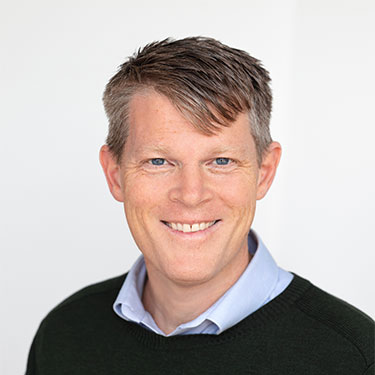
Lee Chilcote
Stories by: Lee Chilcote
Lee Chilcote is an award-winning journalist, writer, and author whose writing has been published in The Washington Post, Associated Press, National Public Radio, Chronicle of Philanthropy, Vanity Fair, Next City, Belt, The Cleveland Plain Dealer, Cleveland Magazine, Crain's Cleveland Business, and many literary journals and anthologies. He has also written poetry chapbooks, produced plays, and won a grant from the Ohio Arts Council. He is founder and past editor of The Land, a local news organization reporting on Cleveland's neighborhoods, and founder and past executive director of Literary Cleveland. He lives in the Detroit Shoreway neighborhood of Cleveland with his family.

After three years of fundraising -- and a generous last-minute gift from an anonymous donor -- a bronze statue of Dante Alighieri is now being crafted at Studio Foundry in Cleveland. It will be installed in the Italian Cultural Gardens in Rockefeller Park in June.
"I view this as a Cleveland project," says Joyce Mariani, Executive Director of the Italian Cultural Gardens Foundation, who championed the project after discovering unfinished plans for the Italian Garden that included the Dante sculpture. "It brings back an urban space, and reflects the greatness of what Italy has given the world. We're all beneficiaries of what the Italians have done."
The statue, which costs $135,000, was designed by Italian sculptor Sandro Bonaiuto, who was originally born in Cleveland. It presents Dante in his 30s, around the time he wrote the Divine Comedy.
In the statue, Dante gazes out from where he sits in a Renaissance chair with the Divine Comedy in one hand and a pen in the other. The base of the statue portrays heaven, hell and purgatory, and a scroll located beside the statue includes the epic poem's most famous canto in Italian and English.
The Dante statue will be dedicated on June 29th, and Mariani will host Opera in the Garden, a free performance, on Sunday, July 29th beginning at 6 pm.
Source: Joyce Mariani
Writer: Lee Chilcote
"I view this as a Cleveland project," says Joyce Mariani, Executive Director of the Italian Cultural Gardens Foundation, who championed the project after discovering unfinished plans for the Italian Garden that included the Dante sculpture. "It brings back an urban space, and reflects the greatness of what Italy has given the world. We're all beneficiaries of what the Italians have done."
The statue, which costs $135,000, was designed by Italian sculptor Sandro Bonaiuto, who was originally born in Cleveland. It presents Dante in his 30s, around the time he wrote the Divine Comedy.
In the statue, Dante gazes out from where he sits in a Renaissance chair with the Divine Comedy in one hand and a pen in the other. The base of the statue portrays heaven, hell and purgatory, and a scroll located beside the statue includes the epic poem's most famous canto in Italian and English.
The Dante statue will be dedicated on June 29th, and Mariani will host Opera in the Garden, a free performance, on Sunday, July 29th beginning at 6 pm.
Source: Joyce Mariani
Writer: Lee Chilcote

Later this month, a pop up store for visitors will open inside of an historic railroad car in the Cuyahoga Valley National Park. The store, called Trail Mix, will be housed on a spur track along the Cuyahoga Valley Scenic Railroad in the town of Peninsula. It will feature snacks, refreshments, books, souvenirs and other items.
Then, later this year, Trail Mix will move into its permanent location at 1600 West Mill Street, adjacent to the Winking Lizard and the tracks where visitors hop aboard the Scenic Railroad. Peninsula has become a hub for visitors to the 33,000 acre national park, which draws more than three million visitors annually and is considered to be one of the most popular national parks in the country.
The store will be operated by the Conservancy for Cuyahoga Valley National Park, a nonprofit organization whose mission is to help educate the general public about the park, protect and conserve its national resources, market the park to visitors, and promote the activities and amenities that exist within the park.
"This is an opportunity for us to really introduce people to all the wonderful things that exist within the 33,000 acres of the park," says Janice Matteucci, Chief Operations Officer for the Conservancy. "We're also partnering with the Cuyahoga Valley Scenic Railroad so that people can buy their tickets here."
The new, 3,000 square foot store will provide a larger storefront space for both organizations and add to the retail offerings in downtown Peninsula. Trail Mix will have outdoor seating and serve local foods such as cookies baked at the Cuyahoga Valley Environmental Education Center and Mitchell's Ice Cream.
Source: Janice Matteucci
Writer: Lee Chilcote
Then, later this year, Trail Mix will move into its permanent location at 1600 West Mill Street, adjacent to the Winking Lizard and the tracks where visitors hop aboard the Scenic Railroad. Peninsula has become a hub for visitors to the 33,000 acre national park, which draws more than three million visitors annually and is considered to be one of the most popular national parks in the country.
The store will be operated by the Conservancy for Cuyahoga Valley National Park, a nonprofit organization whose mission is to help educate the general public about the park, protect and conserve its national resources, market the park to visitors, and promote the activities and amenities that exist within the park.
"This is an opportunity for us to really introduce people to all the wonderful things that exist within the 33,000 acres of the park," says Janice Matteucci, Chief Operations Officer for the Conservancy. "We're also partnering with the Cuyahoga Valley Scenic Railroad so that people can buy their tickets here."
The new, 3,000 square foot store will provide a larger storefront space for both organizations and add to the retail offerings in downtown Peninsula. Trail Mix will have outdoor seating and serve local foods such as cookies baked at the Cuyahoga Valley Environmental Education Center and Mitchell's Ice Cream.
Source: Janice Matteucci
Writer: Lee Chilcote

When Costas Mavromichaelis opened Constantino's Market in downtown Cleveland, he knew that he was an urban pioneer. Downtown residents and businesses had been crying out for a small, full-service grocery store for years, yet no entrepreneur had been willing to take the plunge.
Eight years later, Constantino's Market on W. 9th Street is still going strong, and Mavromichaelis is hoping for another shot in the arm when the Horseshoe Casino opens this year and the Medical Mart and Convention Center open next year. The growing demand for downtown apartments also bodes well, he says.
The entrepreneur is now set to open a 16,000-square-foot branch of Constantino's in University Circle. City leaders contacted him after failing to secure leases from Dave's Market or Heinen's. Mavromichaelis says that the urban market isn't an easy or simple place to do business, but that he's addressing unmet demand.
"This is an important and developing area of Cleveland, and the density of and demand for housing because of the university and hospitals make it attractive," he says. "There's been a lack of shopping amenities in University Circle, but that's changing, and the Uptown project will make the area even more attractive."
Mavromichaelis says the new Constantino's will be very similar to the downtown store, and will be geared towards young professionals, students, small families and empty nesters. It will offer a full selection of groceries as well as a salad and hot foods bar, prepared foods, pizza and an impressive wine selection.
To make the deal work, the developer, MRN Ltd., leased the space to Case Western Reserve University, who in turn subleased it to Mavromichaelis. Uptown is a large, new retail and apartment development along Euclid Avenue in University Circle. The new Constantino's will be located at E. 115th and Euclid.
Mavromichaelis has also recruited his daughter and son-in-law, Anna Mavromichaelis and Andrew Revy, to move from Chicago to Cleveland to work in the business. His daughter has helped him to run the business and open new locations, while Revy will soon manage the University Circle location.
"My daughter was working as an accountant in Chicago, but she grew up in the business, coming to the Clifton store from the time she was seven or eight years old," says Mavromichaelis. "I guess she never got it out of her system."
Source: Costas Mavromichaelis
Writer: Lee Chilcote
Eight years later, Constantino's Market on W. 9th Street is still going strong, and Mavromichaelis is hoping for another shot in the arm when the Horseshoe Casino opens this year and the Medical Mart and Convention Center open next year. The growing demand for downtown apartments also bodes well, he says.
The entrepreneur is now set to open a 16,000-square-foot branch of Constantino's in University Circle. City leaders contacted him after failing to secure leases from Dave's Market or Heinen's. Mavromichaelis says that the urban market isn't an easy or simple place to do business, but that he's addressing unmet demand.
"This is an important and developing area of Cleveland, and the density of and demand for housing because of the university and hospitals make it attractive," he says. "There's been a lack of shopping amenities in University Circle, but that's changing, and the Uptown project will make the area even more attractive."
Mavromichaelis says the new Constantino's will be very similar to the downtown store, and will be geared towards young professionals, students, small families and empty nesters. It will offer a full selection of groceries as well as a salad and hot foods bar, prepared foods, pizza and an impressive wine selection.
To make the deal work, the developer, MRN Ltd., leased the space to Case Western Reserve University, who in turn subleased it to Mavromichaelis. Uptown is a large, new retail and apartment development along Euclid Avenue in University Circle. The new Constantino's will be located at E. 115th and Euclid.
Mavromichaelis has also recruited his daughter and son-in-law, Anna Mavromichaelis and Andrew Revy, to move from Chicago to Cleveland to work in the business. His daughter has helped him to run the business and open new locations, while Revy will soon manage the University Circle location.
"My daughter was working as an accountant in Chicago, but she grew up in the business, coming to the Clifton store from the time she was seven or eight years old," says Mavromichaelis. "I guess she never got it out of her system."
Source: Costas Mavromichaelis
Writer: Lee Chilcote

A trio of local entrepreneurs have recently opened Peace, Love and Little Donuts, a hippie-themed, gourmet donut shop in Kamm's Corners. The purple walls of the 40-seat venue are lined with Cleveland concert posters from the 60s through the 80s.
Now, donuts get a bad rap in today's health-conscious foodie scene. Yet founder Patrick Campbell says he's got that covered. The hot, fresh donuts are made right in the shop, and the coffee comes from Caruso's in Brecksville. And even if they're not exactly healthy, well, who can resist a maple and bacon donut?
Peace, Love and Little Donuts offers three different types of donuts. The "groovy" donuts are plain or sprinkled with powdered sugar or cinnamon. "Far out" donuts are frosted with chocolate, maple syrup or other goodies. "And the Funkadelic is where it gets really interesting," explains Campbell, who also owns P.J. McIntyre's Pub. "We've got a strawberry cheesecake, samoa and s'mores donut."
Peace, Love and Little Donuts also boasts a state-of-the-art espresso and latte machine that reportedly cost $10,000. "Coffee is the new pint," quips Campbell.
Campbell and his partners, Pete Campbell and James Crawford, first discovered the donut franchise on a visit to Pittsburgh last year. They were walking around the popular neighborhood The Strip and were overcome by a delicious odor.
"We just followed the smell," says Campbell. "And lo and behold, we found this small, 300 square foot, unique coffee shop. They were making fresh donuts right there in front of you, and there was a line out the door."
Source: Patrick Campbell
Writer: Lee Chilcote
Now, donuts get a bad rap in today's health-conscious foodie scene. Yet founder Patrick Campbell says he's got that covered. The hot, fresh donuts are made right in the shop, and the coffee comes from Caruso's in Brecksville. And even if they're not exactly healthy, well, who can resist a maple and bacon donut?
Peace, Love and Little Donuts offers three different types of donuts. The "groovy" donuts are plain or sprinkled with powdered sugar or cinnamon. "Far out" donuts are frosted with chocolate, maple syrup or other goodies. "And the Funkadelic is where it gets really interesting," explains Campbell, who also owns P.J. McIntyre's Pub. "We've got a strawberry cheesecake, samoa and s'mores donut."
Peace, Love and Little Donuts also boasts a state-of-the-art espresso and latte machine that reportedly cost $10,000. "Coffee is the new pint," quips Campbell.
Campbell and his partners, Pete Campbell and James Crawford, first discovered the donut franchise on a visit to Pittsburgh last year. They were walking around the popular neighborhood The Strip and were overcome by a delicious odor.
"We just followed the smell," says Campbell. "And lo and behold, we found this small, 300 square foot, unique coffee shop. They were making fresh donuts right there in front of you, and there was a line out the door."
Source: Patrick Campbell
Writer: Lee Chilcote

Having birthed 25-plus new businesses within the past few years, Ohio City is on a roll. Leaders here hope to continue that progress this year as they launch the second round of the Small Business Development Grant Competition, an initiative that aided at least five new retail businesses in 2011.
The competition, which is being managed by Ohio City Inc. and funded by Charter One Growing Communities, offers grants of $5,000 to $20,000 to retail businesses that open or expand in the Market District along W. 25th or Lorain. Entrepreneurs can use the funds for rent payments of no more than one year, purchase of equipment for business operations or interior build out.
Community leaders are focusing solely on retail ventures this year, having overseen a boom of new restaurants and small boutique shops in 2011.
"The Charter One Growing Communities initiative has catalyzed tremendous growth in the Market District," said Eric Wobser, Director of Ohio City Inc., in a release. "We are very excited to launch year two of the competition."
Applicants can download the RFP from OCI's website and submit it along with a short essay and business plan. They'd better hurry, though -- according to Wobser, there are only five vacant storefronts remaining in the Market District.
Community leaders are also hoping that the Market District's considerable momentum will spill over onto Lorain Ave. Within the past two years, the down-on-its-heels main street that has begun to flicker with new life. OCI has created a community planning effort, Launch Lorain, to chart its future.
Source: Eric Wobser
Writer: Lee Chilcote
The competition, which is being managed by Ohio City Inc. and funded by Charter One Growing Communities, offers grants of $5,000 to $20,000 to retail businesses that open or expand in the Market District along W. 25th or Lorain. Entrepreneurs can use the funds for rent payments of no more than one year, purchase of equipment for business operations or interior build out.
Community leaders are focusing solely on retail ventures this year, having overseen a boom of new restaurants and small boutique shops in 2011.
"The Charter One Growing Communities initiative has catalyzed tremendous growth in the Market District," said Eric Wobser, Director of Ohio City Inc., in a release. "We are very excited to launch year two of the competition."
Applicants can download the RFP from OCI's website and submit it along with a short essay and business plan. They'd better hurry, though -- according to Wobser, there are only five vacant storefronts remaining in the Market District.
Community leaders are also hoping that the Market District's considerable momentum will spill over onto Lorain Ave. Within the past two years, the down-on-its-heels main street that has begun to flicker with new life. OCI has created a community planning effort, Launch Lorain, to chart its future.
Source: Eric Wobser
Writer: Lee Chilcote
Photo: Bob Perkoski

This is the kind of downsizing we can all cheer about. PNC has launched an effort to reduce the amount of waste coming out of its downtown Cleveland office building to "near zero," becoming one of the first downtown buildings to achieve this ambitious goal.
The employee-led effort is reducing the amount of trash going to landfills to 40 percent of the total waste coming out of the building. The remaining 60 percent is being recycled or composted. PNC is not stopping at this laudable goal, and has made a commitment to reduce its waste by 90 percent, hopefully by this summer.
"We wanted PNC's offices to be among the first near-zero buildings in downtown," says Paul Clark, Regional Vice President for PNC Bank. "This is a local application of the sincerity of PNC's commitment to green building."
To achieve its goal, PNC designated an employee "green ambassador" on every floor of its downtown building. The company also removed common area trash cans, replacing them with quart-sized containers at employee desks. A partnership with Brooklyn-based Rosby's Resource Recycling allows PNC to recycle organic materials, which are composted into mulch for gardens.
"The change in my life only took about two minutes, and I also get a little exercise on my way to compost bin," quips Clark. "The other side of change is fabulous."
Benson Gabler, Manager of Corporate Sustainability for PNC, adds that Cleveland's near zero program takes the company's sustainability efforts to a new level that he hopes to widely replicate. "We'd already been looking at waste reduction in all PNC buildings, yet Cleveland has composting on every floor, and that's new. This is something we'd like to roll out at other locations."
Click here to check out a Youtube video about PNC going green in Cleveland.
Source: Paul Clark, Benson Gabler
Writer: Lee Chilcote
The employee-led effort is reducing the amount of trash going to landfills to 40 percent of the total waste coming out of the building. The remaining 60 percent is being recycled or composted. PNC is not stopping at this laudable goal, and has made a commitment to reduce its waste by 90 percent, hopefully by this summer.
"We wanted PNC's offices to be among the first near-zero buildings in downtown," says Paul Clark, Regional Vice President for PNC Bank. "This is a local application of the sincerity of PNC's commitment to green building."
To achieve its goal, PNC designated an employee "green ambassador" on every floor of its downtown building. The company also removed common area trash cans, replacing them with quart-sized containers at employee desks. A partnership with Brooklyn-based Rosby's Resource Recycling allows PNC to recycle organic materials, which are composted into mulch for gardens.
"The change in my life only took about two minutes, and I also get a little exercise on my way to compost bin," quips Clark. "The other side of change is fabulous."
Benson Gabler, Manager of Corporate Sustainability for PNC, adds that Cleveland's near zero program takes the company's sustainability efforts to a new level that he hopes to widely replicate. "We'd already been looking at waste reduction in all PNC buildings, yet Cleveland has composting on every floor, and that's new. This is something we'd like to roll out at other locations."
Click here to check out a Youtube video about PNC going green in Cleveland.
Source: Paul Clark, Benson Gabler
Writer: Lee Chilcote

With cranes in the sky and construction workers swarming everywhere, downtown Cleveland is witnessing an impressive construction boom. Yet beneath the clouds of dust, a not-so-subtle changing of the guard is also taking place, as baby boomers retire and young people step into leadership posts.
The generational handing off of the baton appeared to be in display last week at the annual "State of Downtown" address, an event that is sponsored by the Downtown Cleveland Alliance. The sold out crowd included a diverse, intergenerational group of business and nonprofit leaders.
To further enhance downtown Cleveland's vibrancy, civic and business leaders must engage young people from across different sectors to make it a better, more innovative place, said Lee Fisher, President of CEOs for Cities and a panelist at the City Club forum. "Cross-sector, cross-generational urban leaders are the greatest area of growth in cities, but we don't always walk the walk," he said. "It's not enough to have talent; we must also harness it and connect it."
Jeffrey Finkel, CEO of the International Economic Development Council, bemoaned the lack of corporate leadership in downtown Cleveland, yet said this is unsurprising given today's economy. He cited Eaton leaving downtown for the suburbs as one example. "You need to look at family-owned, growing companies for leadership," he said. "When they hire a Harvard MBA, you've lost."
Joe Marinucci, President of DCA, suggested the need to look beyond corporate leaders to young entrepreneurs. "Look at new businesses such as Nexus Cafe, Hodge's and Cleveland Pickle," he said. "These are homegrown entrepreneurs."
Source: Lee Fisher, Joe Marinucci, Jeffrey Finkel
Writer: Lee Chilcote
The generational handing off of the baton appeared to be in display last week at the annual "State of Downtown" address, an event that is sponsored by the Downtown Cleveland Alliance. The sold out crowd included a diverse, intergenerational group of business and nonprofit leaders.
To further enhance downtown Cleveland's vibrancy, civic and business leaders must engage young people from across different sectors to make it a better, more innovative place, said Lee Fisher, President of CEOs for Cities and a panelist at the City Club forum. "Cross-sector, cross-generational urban leaders are the greatest area of growth in cities, but we don't always walk the walk," he said. "It's not enough to have talent; we must also harness it and connect it."
Jeffrey Finkel, CEO of the International Economic Development Council, bemoaned the lack of corporate leadership in downtown Cleveland, yet said this is unsurprising given today's economy. He cited Eaton leaving downtown for the suburbs as one example. "You need to look at family-owned, growing companies for leadership," he said. "When they hire a Harvard MBA, you've lost."
Joe Marinucci, President of DCA, suggested the need to look beyond corporate leaders to young entrepreneurs. "Look at new businesses such as Nexus Cafe, Hodge's and Cleveland Pickle," he said. "These are homegrown entrepreneurs."
Source: Lee Fisher, Joe Marinucci, Jeffrey Finkel
Writer: Lee Chilcote

Every time a young person leaves Northeast Ohio for another part of the country, Greater Cleveland loses 120 percent of their salary in actual economic value, says Cuyahoga County Executive Ed FitzGerald.
That's why he recently created the Next Generation Council, a group that is intended to stem brain drain by giving young people a voice in helping the county attract and retain young talent in the region.
Recently, FitzGerald selected 15 council members from a diverse pool of 125 applicants between the ages of 20 and 35. The group began meeting last month and is working to develop a strategic plan.
“The Next Generation Council will provide an opportunity for my administration to get input from young professionals on how the county can develop the right conditions to engage the creative class,” said FitzGerald in a news release. “We are lucky to have such a diverse group to begin this important initiative.”
She adds, "My aim is to help identify or establish pathways to boost the engagement of young professionals in the public sector, ensuring our voices are consistently represented at the highest level."
Each member of the council serves two years. The group is part of a broader effort by FitzGerald to make Cuyahoga County "a more inclusive and competitive region."
Source: Cuyahoga County Executive Ed FitzGerald
Writer: Lee Chilcote
That's why he recently created the Next Generation Council, a group that is intended to stem brain drain by giving young people a voice in helping the county attract and retain young talent in the region.
Recently, FitzGerald selected 15 council members from a diverse pool of 125 applicants between the ages of 20 and 35. The group began meeting last month and is working to develop a strategic plan.
“The Next Generation Council will provide an opportunity for my administration to get input from young professionals on how the county can develop the right conditions to engage the creative class,” said FitzGerald in a news release. “We are lucky to have such a diverse group to begin this important initiative.”
"I joined the NGC because I admired Ed FitzGerald's willingness to take a very visible step to engage the region's emerging leaders," says council member Hermione Malone, who works at University Hospitals and lives in Detroit Shoreway. "I knew this would allow me to meet a new cadre of smart, creative, passionate, networked peers."
Each member of the council serves two years. The group is part of a broader effort by FitzGerald to make Cuyahoga County "a more inclusive and competitive region."
Source: Cuyahoga County Executive Ed FitzGerald
Writer: Lee Chilcote

When Cleveland Indians fans catch their first game at Progressive Field this season, they'll be able to check out not only the power hitters in the batting lineup, but also a giant, new wind turbine that harnesses wind power to fuel the ballpark's operations.
The recently constructed turbine, which is the latest in the team's efforts to green-up its ballpark operations, was designed by Cleveland State University engineering professor Majid Rashidi. It weighs 10 tons and generates 40,000 kilowatt hours per year, which is enough to power about 2.5 households. Progressive Field uses about 17 million kilowatt hours per year.
"As our fans know, it's very windy at the ballpark. We've always wanted to do a turbine, but the technology just wasn't there," says Brad Mohr, Assistant Director of Ballpark Operations. "I gave a talk to the Corporate Sustainability Network organized by CSU in 2008, and that's when I got connected to Dr. Rashidi."
Rashidi had designed a vented wind turbine design, which fits into a more compact space than a traditional turbine and pivots with the wind. "It works in cities where there's turbulent wind," explains Mohr. "Much like a rock in a river, it pushes the air molecules at a faster speed through the turbine and generates power."
Mohr, who says he is proud that this is an all-Cleveland project, is working on efforts to educate fans. The Indians will install an interpretive area in the ballpark where people can learn about the park's sustainability efforts, which include solar arrays, energy reduction initiatives, recycling and food composting.
"Without a doubt, teams are looking hard at sustainability," says Mohr. "Through the Green Sports Alliance, we're sharing what's next with each other. For the Indians to influence others in the industry, that makes us very proud."
Source: Brad Mohr
Writer: Lee Chilcote
The recently constructed turbine, which is the latest in the team's efforts to green-up its ballpark operations, was designed by Cleveland State University engineering professor Majid Rashidi. It weighs 10 tons and generates 40,000 kilowatt hours per year, which is enough to power about 2.5 households. Progressive Field uses about 17 million kilowatt hours per year.
"As our fans know, it's very windy at the ballpark. We've always wanted to do a turbine, but the technology just wasn't there," says Brad Mohr, Assistant Director of Ballpark Operations. "I gave a talk to the Corporate Sustainability Network organized by CSU in 2008, and that's when I got connected to Dr. Rashidi."
Rashidi had designed a vented wind turbine design, which fits into a more compact space than a traditional turbine and pivots with the wind. "It works in cities where there's turbulent wind," explains Mohr. "Much like a rock in a river, it pushes the air molecules at a faster speed through the turbine and generates power."
Mohr, who says he is proud that this is an all-Cleveland project, is working on efforts to educate fans. The Indians will install an interpretive area in the ballpark where people can learn about the park's sustainability efforts, which include solar arrays, energy reduction initiatives, recycling and food composting.
"Without a doubt, teams are looking hard at sustainability," says Mohr. "Through the Green Sports Alliance, we're sharing what's next with each other. For the Indians to influence others in the industry, that makes us very proud."
Source: Brad Mohr
Writer: Lee Chilcote

Energy efficiency is no longer simply an option for tenants seeking office space downtown, says Donald Rerko of ka Architecture Inc., one of Cleveland's leading sustainability-minded architecture firms. Instead, it's often a critical "go/no go" decision-making factor that can make or break a deal.
"Tenants want sustainable buildings, and they'll often take the building off their list if it's not energy-efficient," he says. "It's really at the top of their criteria."
Rerko is Chairman of the Cleveland 2030 District, an effort to make downtown office buildings carbon neutral by the year 2030. The group emerged out of the first Sustainable Cleveland 2019 conference and has aligned itself with Architecture 2030, a national group with similar goals. Rerko says the group has targeted 75 million square feet of downtown office space, and has gained soft commitments from 25 percent of owners to make their buildings green.
"Retrofitting a building saves the owner on utility costs, reduces tenants' overall costs and makes the building more competitive," says Rerko. "There are a lot of different funding programs now, such as performance contracting and government programs, that allow owners to retrofit without any money out of pocket."
Comprehensive building retrofits typically include sealing the envelope to reduce energy consumption as much as possible, examining energy usage to find ways to reduce it, automating systems, and investing in renewable energy sources.
As examples of successful retrofits, Mohr cites Cleveland State University, Cuyahoga Community College and Forest City Enterprises, which has made substantial energy-efficiency improvements to the Tower City complex.
Next steps for the Cleveland 2030 District group include obtaining signed letters from owners representing their commitments and raising funds to hire an Executive Director and Program Manager. The group is also holding a kickoff party on May 10th at the Cleveland Museum of Natural History. It will feature keynote speaker Edward Mazria, architect and founder of Architecture 2030.
Source: Donald Rerko
Writer: Lee Chilcote
"Tenants want sustainable buildings, and they'll often take the building off their list if it's not energy-efficient," he says. "It's really at the top of their criteria."
Rerko is Chairman of the Cleveland 2030 District, an effort to make downtown office buildings carbon neutral by the year 2030. The group emerged out of the first Sustainable Cleveland 2019 conference and has aligned itself with Architecture 2030, a national group with similar goals. Rerko says the group has targeted 75 million square feet of downtown office space, and has gained soft commitments from 25 percent of owners to make their buildings green.
"Retrofitting a building saves the owner on utility costs, reduces tenants' overall costs and makes the building more competitive," says Rerko. "There are a lot of different funding programs now, such as performance contracting and government programs, that allow owners to retrofit without any money out of pocket."
Comprehensive building retrofits typically include sealing the envelope to reduce energy consumption as much as possible, examining energy usage to find ways to reduce it, automating systems, and investing in renewable energy sources.
As examples of successful retrofits, Mohr cites Cleveland State University, Cuyahoga Community College and Forest City Enterprises, which has made substantial energy-efficiency improvements to the Tower City complex.
Next steps for the Cleveland 2030 District group include obtaining signed letters from owners representing their commitments and raising funds to hire an Executive Director and Program Manager. The group is also holding a kickoff party on May 10th at the Cleveland Museum of Natural History. It will feature keynote speaker Edward Mazria, architect and founder of Architecture 2030.
Source: Donald Rerko
Writer: Lee Chilcote

Small business owners are often the very first to turn the lights on in the morning and the last to leave at night. So when an owner doesn't show up for work until midmorning, that's typically something his or her employees take notice of right away. They may gossip and joke that the boss is out playing hooky.
"They'll look around and wonder where the boss is," says Ginny Hridel, Product Manager of Health Insurance and Wellness Programs with the Council of Smaller Enterprises (COSE). "Taking an hour and a half a week is not something owners are used to."
Yet, dedicating such time to health and wellness is what's expected of participants in Wellness Tracks, a COSE program that's geared towards helping Cleveland's small business owners become healthier. Throughout the 12-week program, owners learn how to integrate nutrition and wellness into their lives. The result, says Hridel, impacts not only the owners' fitness levels but also their companies' bottom line.
"Think about the sustainability of small businesses," she says. "If the owner gets sick, there's a big impact on the business. If they're able to stay healthy, they can focus on the business and be more productive. There are so many wellness programs for big companies, but it's harder to achieve for small businesses."
To that end, COSE set up its program to make it easy and affordable for small business owners to participate. The program requires a manageable chunk of time and is free for anyone covered by COSE's Medical Mutual plan. Owners not covered by that plan can still attend Wellness Tracks for a small fee.
"There are so many individual success stories," says Hridel. "This is not just about pounds lost but about the business owner making a personal transformation."
In the past two years, Wellness Tracks has graduated more than 300 individuals. The next program kicks off April 19th and classes start the week of April 23rd.
Source: Ginny Hridel
Writer: Lee Chilcote
"They'll look around and wonder where the boss is," says Ginny Hridel, Product Manager of Health Insurance and Wellness Programs with the Council of Smaller Enterprises (COSE). "Taking an hour and a half a week is not something owners are used to."
Yet, dedicating such time to health and wellness is what's expected of participants in Wellness Tracks, a COSE program that's geared towards helping Cleveland's small business owners become healthier. Throughout the 12-week program, owners learn how to integrate nutrition and wellness into their lives. The result, says Hridel, impacts not only the owners' fitness levels but also their companies' bottom line.
"Think about the sustainability of small businesses," she says. "If the owner gets sick, there's a big impact on the business. If they're able to stay healthy, they can focus on the business and be more productive. There are so many wellness programs for big companies, but it's harder to achieve for small businesses."
To that end, COSE set up its program to make it easy and affordable for small business owners to participate. The program requires a manageable chunk of time and is free for anyone covered by COSE's Medical Mutual plan. Owners not covered by that plan can still attend Wellness Tracks for a small fee.
"There are so many individual success stories," says Hridel. "This is not just about pounds lost but about the business owner making a personal transformation."
In the past two years, Wellness Tracks has graduated more than 300 individuals. The next program kicks off April 19th and classes start the week of April 23rd.
Source: Ginny Hridel
Writer: Lee Chilcote

Many teachers and graduates of Cleveland School of the Arts, the acclaimed, arts-focused school that sits at the edge of University Circle, have been patiently waiting for more than 30 years for a new school.
"We've had a makeshift arts school for 30 years," says Christine Bluso, Executive Director of Friends of Cleveland School of the Arts. The historic school building was built atop the culverted Doan Brook and does not have a cafeteria or facilities suitable to teaching the arts. "Now they're building us a real arts school. This is part of a premier arts specialty system that's being put into place in the district, and our goal is to write the curriculum to create a conservatory-level 9th-12th grade school."
The demolition of the former Cleveland School of the Arts began earlier this month. Current CSA students are housed at another district school until the new campus is ready. Bluso says that the district plans to break ground on the new, state-of-the-art school in June and open it to students in August 2014. The green-built facility will feature an outdoor plaza and new interior spaces such as art galleries and music rooms that are specially built for arts classes.
"Each arts program will have an area of the building," says Bluso. "We plan to serve 775 students in grades 6-12, and our goal is to be very competitive district-wide. We want students from all over the city to apply."
Bluso says the new school is part of a renewed emphasis on arts education that is flourishing under CEO Eric Gordon. "He's really made arts education a priority," she says. "This is a critical component of the Transformation Plan."
Friends of CSA raises $650-750,000 to support arts programs at the school each year. Bluso says that arts-based education teaches students to think creatively and keeps them motivated in school. CSA has a high graduation rate and many of its students go on to graduate from college and pursue careers in the arts.
Source: Christine Bluso
Writer: Lee Chilcote
"We've had a makeshift arts school for 30 years," says Christine Bluso, Executive Director of Friends of Cleveland School of the Arts. The historic school building was built atop the culverted Doan Brook and does not have a cafeteria or facilities suitable to teaching the arts. "Now they're building us a real arts school. This is part of a premier arts specialty system that's being put into place in the district, and our goal is to write the curriculum to create a conservatory-level 9th-12th grade school."
The demolition of the former Cleveland School of the Arts began earlier this month. Current CSA students are housed at another district school until the new campus is ready. Bluso says that the district plans to break ground on the new, state-of-the-art school in June and open it to students in August 2014. The green-built facility will feature an outdoor plaza and new interior spaces such as art galleries and music rooms that are specially built for arts classes.
"Each arts program will have an area of the building," says Bluso. "We plan to serve 775 students in grades 6-12, and our goal is to be very competitive district-wide. We want students from all over the city to apply."
Bluso says the new school is part of a renewed emphasis on arts education that is flourishing under CEO Eric Gordon. "He's really made arts education a priority," she says. "This is a critical component of the Transformation Plan."
Friends of CSA raises $650-750,000 to support arts programs at the school each year. Bluso says that arts-based education teaches students to think creatively and keeps them motivated in school. CSA has a high graduation rate and many of its students go on to graduate from college and pursue careers in the arts.
Source: Christine Bluso
Writer: Lee Chilcote

It was exciting enough for Ruk and Leela, Butanese refugees who settled in Cleveland a few years ago without knowing a soul, to press their garage opener and watch the door magically lift open. So imagine their surprise and joy when they found a shiny new tricycle also waiting inside for their toddler son.
Thanks to the Cuyahoga Land Bank's Discover Home program, a new partnership with the International Services Center, this immigrant couple will soon become proud homeowners. The Land Bank partnered with the ISC to renovate a three bedroom home on Hopkins Ave. in Lakewood and sign a lease-purchase agreement with this young family.
"We're helping to repopulate the city with immigrants, and they're contributing to the neighborhood, just as my relatives did when they came here from Greece," says Gus Frangos, President of the Land Bank. "We have such a surplus of vacant properties that we need to collaborate with everyone that we can."
The yellow, cottage-like house feels like "some kind" of home, adds Ruk Rai. He now works at ParkOhio and his wife works at Mold Masters. The couple spent 18 years in a refugee camp after they were forced from their country following a violent revolution because of their Nepali ancestry. They eventually won the immigrant "lottery" and became one of 40,000-75,000 refugees who are allowed into the U.S. each year. They resettled in Cleveland because of the ISC.
"The program came out of a need," says Karen Wishner, Executive Director of the ISC. "It was a way to solve two problems -- vacant properties and people in need of housing."
The house, which was previously bank owned, was renovated using a $20,000 grant from Fannie Mae. An additional $20,000 was invested by the ISC, and donations and sweat equity from the new owners covered the rest. The Land Bank and ISC hope to renovate 5-7 more dwellings like this by the end of the year.
The Land Bank is also pioneering additional partnerships, including efforts to work with veterans' groups and disability organizations. "The nonprofits bring the capacity and possibly the funding, and we have the properties," says Frangos.
Source: Gus Frangos, Rook, Karen Wishner
Writer: Lee Chilcote
Thanks to the Cuyahoga Land Bank's Discover Home program, a new partnership with the International Services Center, this immigrant couple will soon become proud homeowners. The Land Bank partnered with the ISC to renovate a three bedroom home on Hopkins Ave. in Lakewood and sign a lease-purchase agreement with this young family.
"We're helping to repopulate the city with immigrants, and they're contributing to the neighborhood, just as my relatives did when they came here from Greece," says Gus Frangos, President of the Land Bank. "We have such a surplus of vacant properties that we need to collaborate with everyone that we can."
The yellow, cottage-like house feels like "some kind" of home, adds Ruk Rai. He now works at ParkOhio and his wife works at Mold Masters. The couple spent 18 years in a refugee camp after they were forced from their country following a violent revolution because of their Nepali ancestry. They eventually won the immigrant "lottery" and became one of 40,000-75,000 refugees who are allowed into the U.S. each year. They resettled in Cleveland because of the ISC.
"The program came out of a need," says Karen Wishner, Executive Director of the ISC. "It was a way to solve two problems -- vacant properties and people in need of housing."
The house, which was previously bank owned, was renovated using a $20,000 grant from Fannie Mae. An additional $20,000 was invested by the ISC, and donations and sweat equity from the new owners covered the rest. The Land Bank and ISC hope to renovate 5-7 more dwellings like this by the end of the year.
The Land Bank is also pioneering additional partnerships, including efforts to work with veterans' groups and disability organizations. "The nonprofits bring the capacity and possibly the funding, and we have the properties," says Frangos.
Source: Gus Frangos, Rook, Karen Wishner
Writer: Lee Chilcote

Just as the U.S. Supreme Court this week begins to hear arguments about the constitutionality of the federal Affordable Care Act, several Northeast Ohio foundations have banded together to provide nonpartisan, consumer-friendly information to help citizens navigate this complex new law.
The public education effort takes place as liberal and conservative groups across the country launch a fight not only over the constitutionality of the law, but also over how it's perceived by the general public. While the Obama campaign and other Democratic groups are trying to demonstrate how the law is already improving people's lives, Republican groups, on the other hand, are trying to cast the law as a job-killing, top-down mandate.
For Kim St. John-Stevenson of the Saint Luke's Foundation, ensuring that ordinary citizens have the information they need to navigate this complex law -- which will affect their lives, whether they know it yet or not -- is by far the most important objective.
"There's a huge education gap, and we need to be proactive about plugging that gap," says St. John-Stevenson. "Whether you like the legislation or not, right now it's the law of the land, and it's in everybody's best interests to understand it."
The new website, www.affordablecareactneo.org, was launched by the George Gund Foundation, Mt. Sinai Health Care Foundation and Saint Luke's Foundation. Modeled after a similar effort in Cincinnati, it provides information about costs, private insurance, Medicare, mental health coverage, coverage for kids and more.
The website is available in English and Spanish, and there is also a wallet card that can be printed out. The foundations will be working over the coming months to spread the word about the website through their nonprofit partnerships.
Source: Kim St. John-Stevenson
Writer: Lee Chilcote
The public education effort takes place as liberal and conservative groups across the country launch a fight not only over the constitutionality of the law, but also over how it's perceived by the general public. While the Obama campaign and other Democratic groups are trying to demonstrate how the law is already improving people's lives, Republican groups, on the other hand, are trying to cast the law as a job-killing, top-down mandate.
For Kim St. John-Stevenson of the Saint Luke's Foundation, ensuring that ordinary citizens have the information they need to navigate this complex law -- which will affect their lives, whether they know it yet or not -- is by far the most important objective.
"There's a huge education gap, and we need to be proactive about plugging that gap," says St. John-Stevenson. "Whether you like the legislation or not, right now it's the law of the land, and it's in everybody's best interests to understand it."
The new website, www.affordablecareactneo.org, was launched by the George Gund Foundation, Mt. Sinai Health Care Foundation and Saint Luke's Foundation. Modeled after a similar effort in Cincinnati, it provides information about costs, private insurance, Medicare, mental health coverage, coverage for kids and more.
The website is available in English and Spanish, and there is also a wallet card that can be printed out. The foundations will be working over the coming months to spread the word about the website through their nonprofit partnerships.
Source: Kim St. John-Stevenson
Writer: Lee Chilcote

The City of Cleveland and Cuyahoga County are preparing to break ground on two major roadway improvement projects in University Circle and surrounding neighborhoods that will improve vehicular, pedestrian and bicycle access to the area while making it safer and easier to navigate.
First, the City of Cleveland plans to break ground in the next few months on the rebuilding of Martin Luther King Jr. Drive. The scenic roadway wends its way 2.63 miles from University Circle through Rockefeller Park to the lakefront. The work includes repairing curbs, adding new ADA ramps, drainage improvements and new parking areas. The latter is the biggest change for those accessing the park by car, as there will finally be a (legal) place to park along MLK Drive.
Second, Cuyahoga County will start this fall on the reconfiguration of the much-maligned traffic circle at East 105th Street and MLK. The new intersection will be a traditional, four-way stoplight. The project will not only make the area safer for drivers, but will also enhance access for cyclists and pedestrians.
"This traffic circle has one of the highest rates of vehicular accidents in the region -- they're mostly fender benders, because people are just confused by it," says Chris Bongorno, Director of Planning with University Circle Incorporated (UCI). "The new configuration will definitely be more pedestrian and bike friendly, and will also help to connect people to Rockefeller Park and University Circle."
The reconfiguration of the traffic circle will create sidewalks on both sides of the street and better connect the Harrison Dillard bikeway to University Circle. A new boardwalk will be constructed on land freed up by the project, and pedestrians and cyclists will be able to cross the intersection at one, signalized location.
The City of Cleveland has scheduled a public meeting to discuss the MLK rebuild project on Tuesday, April 3rd at 5:30 p.m. at the Martin Luther King Jr. branch of the Cleveland Public Library (1962 Stokes Blvd.). City officials will be on hand to discuss the project timeline and specifics and to answer questions.
Bongorno says the two projects are evidence of University Circle's commitment to enhancing access to the area's cultural amenities for all users. He also says University Circle employees are biking to work in greater numbers with each passing year, and these types of improvements will better serve them.
Source: Chris Bongorno
Writer: Lee Chilcote
First, the City of Cleveland plans to break ground in the next few months on the rebuilding of Martin Luther King Jr. Drive. The scenic roadway wends its way 2.63 miles from University Circle through Rockefeller Park to the lakefront. The work includes repairing curbs, adding new ADA ramps, drainage improvements and new parking areas. The latter is the biggest change for those accessing the park by car, as there will finally be a (legal) place to park along MLK Drive.
Second, Cuyahoga County will start this fall on the reconfiguration of the much-maligned traffic circle at East 105th Street and MLK. The new intersection will be a traditional, four-way stoplight. The project will not only make the area safer for drivers, but will also enhance access for cyclists and pedestrians.
"This traffic circle has one of the highest rates of vehicular accidents in the region -- they're mostly fender benders, because people are just confused by it," says Chris Bongorno, Director of Planning with University Circle Incorporated (UCI). "The new configuration will definitely be more pedestrian and bike friendly, and will also help to connect people to Rockefeller Park and University Circle."
The reconfiguration of the traffic circle will create sidewalks on both sides of the street and better connect the Harrison Dillard bikeway to University Circle. A new boardwalk will be constructed on land freed up by the project, and pedestrians and cyclists will be able to cross the intersection at one, signalized location.
The City of Cleveland has scheduled a public meeting to discuss the MLK rebuild project on Tuesday, April 3rd at 5:30 p.m. at the Martin Luther King Jr. branch of the Cleveland Public Library (1962 Stokes Blvd.). City officials will be on hand to discuss the project timeline and specifics and to answer questions.
Bongorno says the two projects are evidence of University Circle's commitment to enhancing access to the area's cultural amenities for all users. He also says University Circle employees are biking to work in greater numbers with each passing year, and these types of improvements will better serve them.
Source: Chris Bongorno
Writer: Lee Chilcote

For years, staff at the Cleveland Rape Crisis Center (CRCC) have watched as rape crisis programs throughout the state have either closed or downsized. The combination of a poor economy and lack of dedicated funding have put many of these programs out of existence -- and left sexual assault victims in less populated counties without services.
A new partnership between the CRCC and the Ohio Alliance to End Sexual Violence (OAESV) hopes to change that by serving as a voice for services in Ohio. The two groups recently signed a support and services agreement to work together on building a statewide voice for sexual assault survivors.
"What we realized in working with our sister organizations across the state is that many counties are unequipped to handle the problem of sexual assault, and it's difficult to organize for more resources without a unified voice," says Megan O'Bryan, Executive Director of the CRCC. "Our goal is to bring rape crisis organizations around the state together to work on policy advocacy."
In addition to sharing information and programming ideas across its statewide network, the OAESV is working to create a pool of statewide funding for rape crisis programs. About half of the states in the U.S. have such dedicated funding, but Ohio does not. The Ohio Rape Crisis Fund bill, or H.B. 48, would increase court costs for both felony and misdemeanor cases involving a sexually oriented offense, and deposit fees into a Rape Crisis Program Trust Fund administered by the Office of the Attorney General.. The group is also working at the federal level to advocate for the reauthorization of the Violence Against Women Act (VAWA).
Since the creation of the OAESV several years ago, the group has received a growing number of calls from sexual assault survivors throughout the state. O'Bryan says that this is a sign that the organization is not only doing important work, but also that more survivors feel comfortable telling their stories.
"The more we talk about this issue, the more people come forward. We need more programs that support survivors and make the environment safer for others."
Source: Megan O'Bryan
Writer: Lee Chilcote
A new partnership between the CRCC and the Ohio Alliance to End Sexual Violence (OAESV) hopes to change that by serving as a voice for services in Ohio. The two groups recently signed a support and services agreement to work together on building a statewide voice for sexual assault survivors.
"What we realized in working with our sister organizations across the state is that many counties are unequipped to handle the problem of sexual assault, and it's difficult to organize for more resources without a unified voice," says Megan O'Bryan, Executive Director of the CRCC. "Our goal is to bring rape crisis organizations around the state together to work on policy advocacy."
In addition to sharing information and programming ideas across its statewide network, the OAESV is working to create a pool of statewide funding for rape crisis programs. About half of the states in the U.S. have such dedicated funding, but Ohio does not. The Ohio Rape Crisis Fund bill, or H.B. 48, would increase court costs for both felony and misdemeanor cases involving a sexually oriented offense, and deposit fees into a Rape Crisis Program Trust Fund administered by the Office of the Attorney General.. The group is also working at the federal level to advocate for the reauthorization of the Violence Against Women Act (VAWA).
Since the creation of the OAESV several years ago, the group has received a growing number of calls from sexual assault survivors throughout the state. O'Bryan says that this is a sign that the organization is not only doing important work, but also that more survivors feel comfortable telling their stories.
"The more we talk about this issue, the more people come forward. We need more programs that support survivors and make the environment safer for others."
Source: Megan O'Bryan
Writer: Lee Chilcote

Noted Cleveland bookseller Richard Gildenmeister, who first began selling books at Higbees in 1955, opened Richard Gildenmeister at Shaker Square in the 1970s and worked at Joseph-Beth Booksellers until two years ago, is returning to Shaker Square to open a pop up store in a vacant storefront and sell off his private collection.
"We all have dreams and nightmares," says Gildenmeister, who turns 80 this year. "Well, one night I had a dream with all these books moving around in my brain. I woke up and thought, 'Maybe this is a message. I've lived in this apartment 42 years and haven't thrown a scrap away. It's time to get moving.'"
Gildenmeister, who lives in a three-bedroom suite on North Moreland by Shaker Square, soon got on the phone with Peter Rubin, CEO of the Coral Company, which owns Shaker Square. He readily agreed to lease Gildenmeister a vacant space beside Dewey's Coffee Shop, jumping at the chance to bring the beloved bookseller back to the Square, even just for a few weeks.
The near-octogenerian bookseller, whose sale starts April 18th and lasts until the books are all sold, has a collection of 2,000+ volumes that he's held onto for many years. They include signed editions, coffee table books, Cleveland books and poetry, all of which will be sold at deeply discounted rates in this final sale.
Although Gildenmeister is generally gloomy about the future of large bookstores, he believes we are entering a new era in which smaller, independent bookstores will thrive. "The city had a lot of independent bookstores in 1955, and one by one they were knocked off, and then came the big guys. Now they're getting knocked off. I believe many more independent stores will open in niche markets."
Although witnessing the closure of Joseph-Beth was no fun, Gildenmeister says he "never regretted a moment of his career and had a blast." As someone who organized thousands of book signings, Cleveland's book czar hobnobbed with the likes of Lauren Bacall, Barbara Walters and James Baldwin in his time.
Through it all, Shaker Square has remained his home. "I fell in love with Shaker Square when I was a small child. I saw the lights when I was nine years old at Christmastime. Although I live by myself, I never feel alone and always feel connected. When I open my windows, I see the neighborhood going by."
Source: Richard Gildenmeister
Writer: Lee Chilcote
"We all have dreams and nightmares," says Gildenmeister, who turns 80 this year. "Well, one night I had a dream with all these books moving around in my brain. I woke up and thought, 'Maybe this is a message. I've lived in this apartment 42 years and haven't thrown a scrap away. It's time to get moving.'"
Gildenmeister, who lives in a three-bedroom suite on North Moreland by Shaker Square, soon got on the phone with Peter Rubin, CEO of the Coral Company, which owns Shaker Square. He readily agreed to lease Gildenmeister a vacant space beside Dewey's Coffee Shop, jumping at the chance to bring the beloved bookseller back to the Square, even just for a few weeks.
The near-octogenerian bookseller, whose sale starts April 18th and lasts until the books are all sold, has a collection of 2,000+ volumes that he's held onto for many years. They include signed editions, coffee table books, Cleveland books and poetry, all of which will be sold at deeply discounted rates in this final sale.
Although Gildenmeister is generally gloomy about the future of large bookstores, he believes we are entering a new era in which smaller, independent bookstores will thrive. "The city had a lot of independent bookstores in 1955, and one by one they were knocked off, and then came the big guys. Now they're getting knocked off. I believe many more independent stores will open in niche markets."
Although witnessing the closure of Joseph-Beth was no fun, Gildenmeister says he "never regretted a moment of his career and had a blast." As someone who organized thousands of book signings, Cleveland's book czar hobnobbed with the likes of Lauren Bacall, Barbara Walters and James Baldwin in his time.
Through it all, Shaker Square has remained his home. "I fell in love with Shaker Square when I was a small child. I saw the lights when I was nine years old at Christmastime. Although I live by myself, I never feel alone and always feel connected. When I open my windows, I see the neighborhood going by."
Source: Richard Gildenmeister
Writer: Lee Chilcote

The founders of a Cleveland technology startup company have joined together with the Cleveland chapter of Kids Against Hunger to present "Celebrating Sustainability and Entrepreneurship," an event aimed at promoting sustainable social enterprises. All event proceeds will go towards providing nutritious meals to local families in need.
"The Cleveland chapter of Kids Against Hunger was founded by a Case Western Reserve University freshman named Aditya Rengaswamy," says Michael Giammo with Lorktech, a company that was founded by CWRU graduates. Lorktech is developing an electronic shelf label that does not require a battery for use in stores. "We're very excited about sustainability and entrepreneurship, so we said, 'Why not use the energy of our startup company to spark this charity event?'"
The event takes place on Monday, April 2nd at Thwing Ballroom on the CWRU campus. Each ticket costs $40 and purchases 200 meals for kids, Giammo says.
Speakers include Jenita McGowan, Chief of Sustainability for the City of Cleveland; Cathy Belk, Chief Relationship Officer at Jumpstart; Ian Charnas, Operations Manager at think[box]; Stephanie Corbett, Sustainability Manager at CWRU; and representatives of Lorktech and Kids Against Hunger.
"We wanted to create a company-wide culture of social entrepreneurship," says Giammo of Lorktech's decision to spearhead the event. "It's part of our business model."
Source: Michael Giammo
Writer: Lee Chilcote
"The Cleveland chapter of Kids Against Hunger was founded by a Case Western Reserve University freshman named Aditya Rengaswamy," says Michael Giammo with Lorktech, a company that was founded by CWRU graduates. Lorktech is developing an electronic shelf label that does not require a battery for use in stores. "We're very excited about sustainability and entrepreneurship, so we said, 'Why not use the energy of our startup company to spark this charity event?'"
The event takes place on Monday, April 2nd at Thwing Ballroom on the CWRU campus. Each ticket costs $40 and purchases 200 meals for kids, Giammo says.
Speakers include Jenita McGowan, Chief of Sustainability for the City of Cleveland; Cathy Belk, Chief Relationship Officer at Jumpstart; Ian Charnas, Operations Manager at think[box]; Stephanie Corbett, Sustainability Manager at CWRU; and representatives of Lorktech and Kids Against Hunger.
"We wanted to create a company-wide culture of social entrepreneurship," says Giammo of Lorktech's decision to spearhead the event. "It's part of our business model."
Source: Michael Giammo
Writer: Lee Chilcote

Since the financial crowdsourcing website Kickstarter was founded a few years ago by New York entrepreneurs, it has helped to raise millions of dollars for artistic projects, including many in Cleveland.
Just how important is Kickstarter for arts funding? A recent New York Times article reported that the organization expects to raise $150 million in contributions in 2012. By comparison, the National Endowment for the Arts has a budget of $146 million.
Next week, Kickstarter is coming to Cleveland as part of a Midwest tour to showcase how artists can land DIY funding for their creative-minded startups. The Community Partnership for Arts and Culture (CPAC) and the Foundation Center of Cleveland partnered to create the event, which takes place on Thursday, March 29th from 6 to 8 p.m. at the Idea Center's Miller Classroom at 1375 Euclid Avenue.
"Kickstarter is important not only because it helps artists raise funding, but also because it leverages their ability to get the word out," says Susan DePasquale, Program Manager with CPAC. "There aren't many opportunities for artists to be funded directly. Kickstarter also allows givers to feel like entrepreneurs."
Source: Susan DePasquale
Writer: Lee Chilcote
Just how important is Kickstarter for arts funding? A recent New York Times article reported that the organization expects to raise $150 million in contributions in 2012. By comparison, the National Endowment for the Arts has a budget of $146 million.
Next week, Kickstarter is coming to Cleveland as part of a Midwest tour to showcase how artists can land DIY funding for their creative-minded startups. The Community Partnership for Arts and Culture (CPAC) and the Foundation Center of Cleveland partnered to create the event, which takes place on Thursday, March 29th from 6 to 8 p.m. at the Idea Center's Miller Classroom at 1375 Euclid Avenue.
"Kickstarter is important not only because it helps artists raise funding, but also because it leverages their ability to get the word out," says Susan DePasquale, Program Manager with CPAC. "There aren't many opportunities for artists to be funded directly. Kickstarter also allows givers to feel like entrepreneurs."
Source: Susan DePasquale
Writer: Lee Chilcote

Thanks to roadway improvements and striking new signage, University Circle is becoming easier to navigate all the time. Yet it's a grim joke among cyclists that navigating the spaghetti intersection at Stokes, Martin Luther King Jr. and Cedar is akin to taking your life into your hands.
This issue affects more than a small, insignificant sliver of the population: According to City of Cleveland Bike Planner Marty Cader, the number of bike commuters continues to rise each year. In fact, he says, the parking garages at the Cleveland Clinic are filled with bikes these days, many of which originate from points further east.
The City of Cleveland recently broke ground on a new trail which is expected to ease this life-threatening commute. The so-called Lake to Lakes Trail consists of a new 10-foot-wide trail and improved intersections that should be complete by the end of summer. The trail will better connect the Harrison Dillard Bikeway in Rockefeller Park with the bike paths at Shaker Lakes in Shaker Heights.
The project overcame huge design challenges by funneling bike traffic through existing public land in University Circle. The City of Cleveland is reconstructing several traffic islands and adding ADA ramps and pedestrian signals to help make road crossings safer. The trail will meander through the hidden gem of Rudy Rogers Park, where Doan Brook flows into a culvert before emerging in Rockefeller Park, and then head up Fairhill Boulevard into the Heights.
The project is being funded by the Ohio Department of Transportation and the Department of Energy through the American Recovery and Reinvestment Act.
The trail also adds another leg to the city's Bikeway Master Plan, which is beginning to form vital connections between city neighborhoods. With the help of the Lake to Lakes Trail, cyclists will be able to easily and safely bike from Shaker Heights to downtown Cleveland along Euclid Ave., or out to the lakefront.
Source: Marty Cader
Writer: Lee Chilcote
This issue affects more than a small, insignificant sliver of the population: According to City of Cleveland Bike Planner Marty Cader, the number of bike commuters continues to rise each year. In fact, he says, the parking garages at the Cleveland Clinic are filled with bikes these days, many of which originate from points further east.
The City of Cleveland recently broke ground on a new trail which is expected to ease this life-threatening commute. The so-called Lake to Lakes Trail consists of a new 10-foot-wide trail and improved intersections that should be complete by the end of summer. The trail will better connect the Harrison Dillard Bikeway in Rockefeller Park with the bike paths at Shaker Lakes in Shaker Heights.
The project overcame huge design challenges by funneling bike traffic through existing public land in University Circle. The City of Cleveland is reconstructing several traffic islands and adding ADA ramps and pedestrian signals to help make road crossings safer. The trail will meander through the hidden gem of Rudy Rogers Park, where Doan Brook flows into a culvert before emerging in Rockefeller Park, and then head up Fairhill Boulevard into the Heights.
The project is being funded by the Ohio Department of Transportation and the Department of Energy through the American Recovery and Reinvestment Act.
The trail also adds another leg to the city's Bikeway Master Plan, which is beginning to form vital connections between city neighborhoods. With the help of the Lake to Lakes Trail, cyclists will be able to easily and safely bike from Shaker Heights to downtown Cleveland along Euclid Ave., or out to the lakefront.
Source: Marty Cader
Writer: Lee Chilcote