
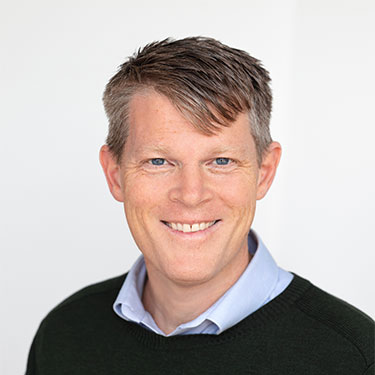
Lee Chilcote
Stories by: Lee Chilcote
Lee Chilcote is an award-winning journalist, writer, and author whose writing has been published in The Washington Post, Associated Press, National Public Radio, Chronicle of Philanthropy, Vanity Fair, Next City, Belt, The Cleveland Plain Dealer, Cleveland Magazine, Crain's Cleveland Business, and many literary journals and anthologies. He has also written poetry chapbooks, produced plays, and won a grant from the Ohio Arts Council. He is founder and past editor of The Land, a local news organization reporting on Cleveland's neighborhoods, and founder and past executive director of Literary Cleveland. He lives in the Detroit Shoreway neighborhood of Cleveland with his family.

Providence House, the first crisis nursery in Ohio and one of only 70 similar facilities in the U.S., recently broke ground on a $2 million, three-phase project in Ohio City that will allow the nonprofit agency to better serve Northeast Ohio families in crisis.
"We have a waiting list that is 20 to 30 kids long right now," explains Natalie Leek-Nelson, Executive Director of Providence House, which is expanding its current location at W. 32nd Street and Lorain Avenue. "Phase I of the expansion will allow us to have 250 kids per year in our crisis nursery, and it will also increase the ages of the kids so that we can take older siblings."
Providence House provides short-term housing for kids who are unsafe in their homes because they're at risk of abuse, neglect or generally unsafe conditions. The agency is unique because it offers intensive therapy to help families stay together. More than 95 percent of families whose children end up at Providence House are eventually reunified. The facility also offers housing to kids whose parents are unable to care for them (for instance, because they've suddenly gotten sick).
"Parents don't want to give up their kids, so things often escalate until they're out of control," says Leek-Nelson. "Providence House is an alternative to the emergency foster system. We let families know it's okay to get help."
When asked why Providence House's work is important, Leek-Nelson cites a statistic that 75 percent of high school dropouts are abused kids. "Is it the school system or something at home that keeps them from succeeding?" she asks.
Providence House has already raised about 75 percent of the funds that are needed to complete Phase I of its expansion plans. "It's been a big challenge, but the community has really stepped up," says Leek-Nelson. "We have more than 300 individuals, foundations and businesses that have donated."
Source: Natalie Leek-Nelson
Writer: Lee Chilcote
"We have a waiting list that is 20 to 30 kids long right now," explains Natalie Leek-Nelson, Executive Director of Providence House, which is expanding its current location at W. 32nd Street and Lorain Avenue. "Phase I of the expansion will allow us to have 250 kids per year in our crisis nursery, and it will also increase the ages of the kids so that we can take older siblings."
Providence House provides short-term housing for kids who are unsafe in their homes because they're at risk of abuse, neglect or generally unsafe conditions. The agency is unique because it offers intensive therapy to help families stay together. More than 95 percent of families whose children end up at Providence House are eventually reunified. The facility also offers housing to kids whose parents are unable to care for them (for instance, because they've suddenly gotten sick).
"Parents don't want to give up their kids, so things often escalate until they're out of control," says Leek-Nelson. "Providence House is an alternative to the emergency foster system. We let families know it's okay to get help."
When asked why Providence House's work is important, Leek-Nelson cites a statistic that 75 percent of high school dropouts are abused kids. "Is it the school system or something at home that keeps them from succeeding?" she asks.
Providence House has already raised about 75 percent of the funds that are needed to complete Phase I of its expansion plans. "It's been a big challenge, but the community has really stepped up," says Leek-Nelson. "We have more than 300 individuals, foundations and businesses that have donated."
Source: Natalie Leek-Nelson
Writer: Lee Chilcote

Recently, an artistically-minded student at Glenville High School was so inspired by his school's first-ever Sustainability Awareness Day that he painted a rain barrel with the school's signature "G" logo and displayed it at last week's inaugural event.
"It was kind of like a small-scale science fair," says Anthony Body, Community Organizer with the Famicos Foundation, a nonprofit community development organization that serves the neighborhood and hosted the event at its Community Service Center on Ansel Rd. "Each student created a display," which included hydroponics, aeroponics and rain barrel displays.
The program is part of an effort to imbue sustainability practices into Glenville in partnership with residents. The goal is to teach people about sustainability, help them grow and access healthy, local food and make them more self-sufficient. Famicos has partnered with the NEO Restoration Alliance, a nonprofit that promotes community gardening and green jobs, to create the program.
"At first, it was like pulling teeth," says Body of his experience working with high school students. "Then they bit into it more and had more hands-on experiences. We went on field trips to the Rockefeller Greenhouse and Galleria and they learned vermicomposting. They saw how it could relate to their homes."
Although most of the students do not have gardens at home, Body says that two students have started gardens at their homes and one actually now has a hydroponics system. "It opened their eyes," he says.
Body says the area is a "food desert," and that most of the local corner stores do not sell fresh produce. He touts the Circle105 Farmers Market, which is now in its second year and kicks off June 15th, as a viable alternative. The farmers market will accept food stamps and offer additional specials for residents this year.
"I see a lot of people who leave Glenville and never come back and engage the youth," says Body, a graduate of Glenville High School as well as Malone University in Canton, Ohio. "The youth need to be educated on how to do this."
Source: Anthony Body
Writer: Lee Chilcote
"It was kind of like a small-scale science fair," says Anthony Body, Community Organizer with the Famicos Foundation, a nonprofit community development organization that serves the neighborhood and hosted the event at its Community Service Center on Ansel Rd. "Each student created a display," which included hydroponics, aeroponics and rain barrel displays.
The program is part of an effort to imbue sustainability practices into Glenville in partnership with residents. The goal is to teach people about sustainability, help them grow and access healthy, local food and make them more self-sufficient. Famicos has partnered with the NEO Restoration Alliance, a nonprofit that promotes community gardening and green jobs, to create the program.
"At first, it was like pulling teeth," says Body of his experience working with high school students. "Then they bit into it more and had more hands-on experiences. We went on field trips to the Rockefeller Greenhouse and Galleria and they learned vermicomposting. They saw how it could relate to their homes."
Although most of the students do not have gardens at home, Body says that two students have started gardens at their homes and one actually now has a hydroponics system. "It opened their eyes," he says.
Body says the area is a "food desert," and that most of the local corner stores do not sell fresh produce. He touts the Circle105 Farmers Market, which is now in its second year and kicks off June 15th, as a viable alternative. The farmers market will accept food stamps and offer additional specials for residents this year.
"I see a lot of people who leave Glenville and never come back and engage the youth," says Body, a graduate of Glenville High School as well as Malone University in Canton, Ohio. "The youth need to be educated on how to do this."
Source: Anthony Body
Writer: Lee Chilcote

Last week, PNC Bank employees spent time reading "Where the Wild Things Are" to kids enrolled in Head Start, Cleveland Clinic employees shared tips on preparing for the workforce with students at New Tech West, and human resources pros helped people in transitional housing to prepare their resumes.
The events were organized by Business Volunteers Unlimited as part of National Volunteer Week, which rallied more than 1,300 volunteers to participate in 85-plus service projects throughout Northeast Ohio.
"Ordinary Day, Extraordinary Outcomes" (ODEO), a one day event held on Friday, April 20th, engaged 28 corporate teams in combating poverty through education. Two companies, OE Connection and Jo-Ann Fabric and Crafts, hosted a week of volunteer opportunities for all of their employees. Finally, Global Youth Service Day, which engaged young people in volunteering across Greater Cleveland, took place from April 20 to 22.
"We really tried to develop interactive experiences that would engage the community," says Roseanne Deucher, Director of the Volunteer Center at Business Volunteers Unlimited. "This year, we had a focus on education. We also tried to match the skills of folks in the business sector with needs in the community."
She adds, "A lot of people read about issues in the public school system and unemployment, but they don't know how to get involved. After this event, they felt they'd touched lives. Many wanted to volunteer on an ongoing basis."
BVU maintains an online Volunteer Center which lists more than 500 volunteer opportunities throughout Northeast Ohio. The nonprofit group is also currently partnering with the Cleveland Indians to host a Volunteer Challenge. Any individual who completes four hours or more of volunteer work through BVU is eligible for a voucher for two free tickets to select Indians games.
BVU is also hosting its annual Summer of Service day, which seeks to engage young professionals in volunteer activities, on July 18th of this year.
Source: Roseanne Deucher
Writer: Lee Chilcote
The events were organized by Business Volunteers Unlimited as part of National Volunteer Week, which rallied more than 1,300 volunteers to participate in 85-plus service projects throughout Northeast Ohio.
"Ordinary Day, Extraordinary Outcomes" (ODEO), a one day event held on Friday, April 20th, engaged 28 corporate teams in combating poverty through education. Two companies, OE Connection and Jo-Ann Fabric and Crafts, hosted a week of volunteer opportunities for all of their employees. Finally, Global Youth Service Day, which engaged young people in volunteering across Greater Cleveland, took place from April 20 to 22.
"We really tried to develop interactive experiences that would engage the community," says Roseanne Deucher, Director of the Volunteer Center at Business Volunteers Unlimited. "This year, we had a focus on education. We also tried to match the skills of folks in the business sector with needs in the community."
She adds, "A lot of people read about issues in the public school system and unemployment, but they don't know how to get involved. After this event, they felt they'd touched lives. Many wanted to volunteer on an ongoing basis."
BVU maintains an online Volunteer Center which lists more than 500 volunteer opportunities throughout Northeast Ohio. The nonprofit group is also currently partnering with the Cleveland Indians to host a Volunteer Challenge. Any individual who completes four hours or more of volunteer work through BVU is eligible for a voucher for two free tickets to select Indians games.
BVU is also hosting its annual Summer of Service day, which seeks to engage young professionals in volunteer activities, on July 18th of this year.
Source: Roseanne Deucher
Writer: Lee Chilcote

Travis Peebles, who co-owns Blazing Saddle Cycle, displays a Roadmaster bicycle that was made about 80 years ago by the Cleveland Welding Company, located at W. 117th and Berea Road. The rusted, 40-pound bike is not for sale, yet it adorns the shop as a proud reminder of cycling's rich local history.
It is perhaps a little known fact that both Cleveland and Ohio have a rich history in the annals of bike history (those crazy Wright brothers started it all with a Dayton bike shop, after all). Our region's tradition of making bicycles is intertwined with our manufacturing history. That deep tradition will be on display this Friday, April 27th at the Greenhouse Tavern during "Respect the Bike: Ohio Built with Ohio Pride," an exhibition of historic and contemporary Ohio bike builders.
"Cleveland and Ohio were huge springboards for cycling," says Peebles. "From the 1890s through the 1900s, there were tons of bikes that were made in Cleveland."
Respect the Bike will feature a wide range of bicycles from pre-1900 bikes made in Northeast Ohio to contemporary bikes built by local, entrepreneurial frame builders such as Rust Belt Welding, Carmen Gambino and Dan Polito.
Peebles, who admits to being "borderline obsessed" with hunting for old bicycles and makes a living restoring '70s and '80s era steel bikes, partnered with the Greenhouse Tavern because of its commitment to local foods and cycling.
Respect the Bike is also billed as a kick-off to Cleveland Bike Month, which takes place in May. Attendees are encouraged to ride their bikes to the event and participate in the monthly Critical Mass ride at Public Square beforehand.
Source: Travis Peebles
Writer: Lee Chilcote
It is perhaps a little known fact that both Cleveland and Ohio have a rich history in the annals of bike history (those crazy Wright brothers started it all with a Dayton bike shop, after all). Our region's tradition of making bicycles is intertwined with our manufacturing history. That deep tradition will be on display this Friday, April 27th at the Greenhouse Tavern during "Respect the Bike: Ohio Built with Ohio Pride," an exhibition of historic and contemporary Ohio bike builders.
"Cleveland and Ohio were huge springboards for cycling," says Peebles. "From the 1890s through the 1900s, there were tons of bikes that were made in Cleveland."
Respect the Bike will feature a wide range of bicycles from pre-1900 bikes made in Northeast Ohio to contemporary bikes built by local, entrepreneurial frame builders such as Rust Belt Welding, Carmen Gambino and Dan Polito.
Peebles, who admits to being "borderline obsessed" with hunting for old bicycles and makes a living restoring '70s and '80s era steel bikes, partnered with the Greenhouse Tavern because of its commitment to local foods and cycling.
Respect the Bike is also billed as a kick-off to Cleveland Bike Month, which takes place in May. Attendees are encouraged to ride their bikes to the event and participate in the monthly Critical Mass ride at Public Square beforehand.
Source: Travis Peebles
Writer: Lee Chilcote

As the Circle East Townhomes near completion, 60 percent of the units are pre-leased, and eight of the 12 leased units have been snatched up by University Circle area employees. This proves the viability of new housing options in the area, says Chris Ronayne, Executive Director of University Circle Inc. (UCI).
"This is a great moment in time where the Circle is meeting East Cleveland," says Ronayne of the project, which features 20 townhouse-style apartments that are being developed on a former parking lot on Euclid Avenue in East Cleveland. "The fact that Circle area employees are leasing the apartments means that our Greater Circle Living program is working. Employees can get one month's free rent through this effort, and institutions and foundations are putting money into it."
Circle East Townhomes are being built on 1.5 acres of land along Euclid between Lakeview Road and Auburndale Avenue. The $5 million project is being co-developed by UCI and the Finch Group, and partial funding comes from federal Neighborhood Stabilization Funds. The three-story units have 2 bedrooms, 2.5 baths and two car garages. Rental rates are $930 per month, and tenants can earn up to 120 percent of area median income (about $60,000) and still qualify.
"Circle East is really a new neighborhood where University Circle meets East Cleveland," says Ronayne, who adds that the project would have remained on the drawing board without the leadership of East Cleveland Mayor Gary Norton and support from Cuyahoga County and the Cuyahoga Land Bank. "We've been planning this for a while, and now we're starting to see development."
UCI and East Cleveland are now seeking planning grants for Phase II of the project, which would bring an additional 20 units to the site. Ronayne ultimately envisions a mixed-use housing and office development, including technology companies or services related to University Circle's anchor institutions.
The first residents are expected to move into Circle East Townhomes by June 15th.
Source: Chris Ronayne
Writer: Lee Chilcote
"This is a great moment in time where the Circle is meeting East Cleveland," says Ronayne of the project, which features 20 townhouse-style apartments that are being developed on a former parking lot on Euclid Avenue in East Cleveland. "The fact that Circle area employees are leasing the apartments means that our Greater Circle Living program is working. Employees can get one month's free rent through this effort, and institutions and foundations are putting money into it."
Circle East Townhomes are being built on 1.5 acres of land along Euclid between Lakeview Road and Auburndale Avenue. The $5 million project is being co-developed by UCI and the Finch Group, and partial funding comes from federal Neighborhood Stabilization Funds. The three-story units have 2 bedrooms, 2.5 baths and two car garages. Rental rates are $930 per month, and tenants can earn up to 120 percent of area median income (about $60,000) and still qualify.
"Circle East is really a new neighborhood where University Circle meets East Cleveland," says Ronayne, who adds that the project would have remained on the drawing board without the leadership of East Cleveland Mayor Gary Norton and support from Cuyahoga County and the Cuyahoga Land Bank. "We've been planning this for a while, and now we're starting to see development."
UCI and East Cleveland are now seeking planning grants for Phase II of the project, which would bring an additional 20 units to the site. Ronayne ultimately envisions a mixed-use housing and office development, including technology companies or services related to University Circle's anchor institutions.
The first residents are expected to move into Circle East Townhomes by June 15th.
Source: Chris Ronayne
Writer: Lee Chilcote
greater cleveland urban film festival debuts at shaker square
The Greater Cleveland Urban Film Festival (GCUFF) debuts this weekend at Shaker Square Cinemas. The new festival aims to showcase African-American and African films from Cleveland and around the world, introduce film to young people and educate young people about career options in the industry.
"We want our audience to see that there are great films by black people, and also that Cleveland has produced a bevy of talent. There will be films shown here that don't get shown elsewhere," says Neal Hodges, an actor and writer who lives in the Shaker Square neighborhood and serves as the festival's Artistic Director. "We'll also be hosting a panel discussion to encourage young people to get into the film industry, and we'll discuss how to get your project onto the big screen."
Hodges first came up with the idea of creating a black film festival in Cleveland after visiting similar festivals in other cities. He created the Black Cinema Cafe in 2000 to showcase black independent films in various venues around Cleveland. Hodges says the GUCFF is a grassroots effort organized primarily by seven hardworking volunteers. The events is sponsored by the Society for Urban Professionals (SOUP), an African-American young professionals group.
Hodges says the festival is here to stay and will become a mainstay event in Cleveland's cultural landscape. He hopes to attract a diverse audience.
Source: Neal Hodges
Writer: Lee Chilcote
"We want our audience to see that there are great films by black people, and also that Cleveland has produced a bevy of talent. There will be films shown here that don't get shown elsewhere," says Neal Hodges, an actor and writer who lives in the Shaker Square neighborhood and serves as the festival's Artistic Director. "We'll also be hosting a panel discussion to encourage young people to get into the film industry, and we'll discuss how to get your project onto the big screen."
Hodges first came up with the idea of creating a black film festival in Cleveland after visiting similar festivals in other cities. He created the Black Cinema Cafe in 2000 to showcase black independent films in various venues around Cleveland. Hodges says the GUCFF is a grassroots effort organized primarily by seven hardworking volunteers. The events is sponsored by the Society for Urban Professionals (SOUP), an African-American young professionals group.
Hodges says the festival is here to stay and will become a mainstay event in Cleveland's cultural landscape. He hopes to attract a diverse audience.
Source: Neal Hodges
Writer: Lee Chilcote

Clevelanders have always known that the Cleveland Museum of Art (CMA) brings a tremendous amount of economic activity and out-of-town prestige to Northeast Ohio. Yet thanks to an in-depth study by economic and business consulting firm Kleinhenz and Associates, we now have the numbers to prove it.
According to a study released this week, CMA generates more than $140 million annually in economic activity in Cuyahoga County and creates or sustains over 1,200 jobs. Additionally, CMA's renovation and expansion project has generated $593 million in activity and created or sustained an average of 500 jobs per year.
To CMA Director David Franklin, that level of activity signals not only that the museum is an economic powerhouse, but also that given today's "creativity-driven economy," it generates returns well beyond traditional expectations.
"The Cleveland Museum of Art is a magnet for business and talent attraction," Franklin said at a press conference this week. "It upends the traditional story of the division between business and the arts. We are a true 'house of muses' as well as a cylinder for Ohio's economic engine -- not one or the other, but both."
Chris Warren of the City of Cleveland and Tom Waltermire of Team NEO both testified to the fact that the museum has vast intangible effects on Northeast Ohio's economy, as well. It acts as a prestige-driver for the region and serves as a calling card as they travel the world to attract new business, they said.
Helen Forbes-Fields, a CMA Trustee, stated that she had participated in the museum's Diversity Construction Committee and that CMA has been "a University Circle leader in hiring and contracts for construction jobs," with 22 percent filled by minority workers and 10 percent filled by female workers.
Tom Schorgl, President of the Community Partnership for Arts and Culture, touted the impact of the Cuyahoga County arts tax, which must be renewed in 2015. "CMA is a splendid example of a public-private partnership," he said.
Source: David Franklin, Chris Warren, Tom Waltermire, Helen Forbes-Fields, Tom Schorgl
Writer: Lee Chilcote
According to a study released this week, CMA generates more than $140 million annually in economic activity in Cuyahoga County and creates or sustains over 1,200 jobs. Additionally, CMA's renovation and expansion project has generated $593 million in activity and created or sustained an average of 500 jobs per year.
To CMA Director David Franklin, that level of activity signals not only that the museum is an economic powerhouse, but also that given today's "creativity-driven economy," it generates returns well beyond traditional expectations.
"The Cleveland Museum of Art is a magnet for business and talent attraction," Franklin said at a press conference this week. "It upends the traditional story of the division between business and the arts. We are a true 'house of muses' as well as a cylinder for Ohio's economic engine -- not one or the other, but both."
Chris Warren of the City of Cleveland and Tom Waltermire of Team NEO both testified to the fact that the museum has vast intangible effects on Northeast Ohio's economy, as well. It acts as a prestige-driver for the region and serves as a calling card as they travel the world to attract new business, they said.
Helen Forbes-Fields, a CMA Trustee, stated that she had participated in the museum's Diversity Construction Committee and that CMA has been "a University Circle leader in hiring and contracts for construction jobs," with 22 percent filled by minority workers and 10 percent filled by female workers.
Tom Schorgl, President of the Community Partnership for Arts and Culture, touted the impact of the Cuyahoga County arts tax, which must be renewed in 2015. "CMA is a splendid example of a public-private partnership," he said.
Source: David Franklin, Chris Warren, Tom Waltermire, Helen Forbes-Fields, Tom Schorgl
Writer: Lee Chilcote

Former Reddstone chef Josh Kabat and his fiance and business partner, Kiaran Daily, have opened Cleveland Pickle, a gourmet downtown sandwich shop. The venue specializes in eclectic sandwiches made from fresh, often local ingredients. Many of the sandwiches are also creatively named after local Cleveland landmarks.
For instance, the Terminal is a savory and sweet sandwich featuring black forest ham, brie, spinach, roasted tomato pesto and apricot jam. The Payne Avenue panini is a twist on the Vietnamese banh mi sandwich, with a touch of chipotle for extra zest.
"Everyone loves sandwiches, and these are sandwiches that people have never seen before," says Kabat. "We use all top of the line ingredients, similar to what you'd find in a fine dining restaurant. Kiaran and I wanted to take our experiences working in chef-driven restaurants as well as bars and bring it all together."
Kabat and Daily make pickles out of their home, adding fresh, delicious chunks of pickle to many of their signature sandwiches. "Love is what sets us apart," says Kabat. "We pour our blood, sweat and tears into this meticulous process."
Cleveland Pickle joins a host of new restaurants and eateries that have opened on Euclid Avenue, including Hodge's, Colossal Cupcakes, Nexus Cafe and Potbelly.
Cleveland Pickle is open Monday to Friday from 9 am until 4 pm. After Memorial Day, the owners plan to stay open Saturdays and until 8 pm during the week.
Source: Josh Kabat
Writer: Lee Chilcote
For instance, the Terminal is a savory and sweet sandwich featuring black forest ham, brie, spinach, roasted tomato pesto and apricot jam. The Payne Avenue panini is a twist on the Vietnamese banh mi sandwich, with a touch of chipotle for extra zest.
"Everyone loves sandwiches, and these are sandwiches that people have never seen before," says Kabat. "We use all top of the line ingredients, similar to what you'd find in a fine dining restaurant. Kiaran and I wanted to take our experiences working in chef-driven restaurants as well as bars and bring it all together."
Kabat and Daily make pickles out of their home, adding fresh, delicious chunks of pickle to many of their signature sandwiches. "Love is what sets us apart," says Kabat. "We pour our blood, sweat and tears into this meticulous process."
Cleveland Pickle joins a host of new restaurants and eateries that have opened on Euclid Avenue, including Hodge's, Colossal Cupcakes, Nexus Cafe and Potbelly.
Cleveland Pickle is open Monday to Friday from 9 am until 4 pm. After Memorial Day, the owners plan to stay open Saturdays and until 8 pm during the week.
Source: Josh Kabat
Writer: Lee Chilcote

You know the old saying: Once you start allowing chickens in your neighborhood, any four-legged creature can walk right in off the street.
Well, there goes the neighborhood!
Despite cries of fowl play, it appears that the City of Cleveland Heights is poised to allow residents to raise up to four chickens in their backyards. A group called Hens in Lakewood is lobbying their city to allow chicken-rearing too, yet the group is battling resistance from other residents and skeptical city council members.
The City of Cleveland Heights, once the pristine province of those fleeing the city for greener (yet livestock-free) pastures, may soon return to its roots. A century ago, many small farms flourished here. Although the proposed changes will not allow market gardening (where gardeners sell their wares), they will allow residents to raise their own eggs.
In a few weeks, the Cleveland Heights Planning Commission will consider new, sustainable zoning code recommendations that include allowing up to four chickens. If the board accepts the Planning Department's recommendations, the city will become one of the first suburbs in Northeast Ohio to allow chickens.
"We received a lot of phone calls about this issue, but the pro-chicken people were more vocal," says Karen Knittel, a City Planner with the City of Cleveland Heights. "Concerns were raised around chickens not being well-kept and attracting rats. We're easing into this to make sure people don't disturb their neighbors."
The proposals require chicken coops to be at least 10 feet from a resident's property line, and would-be chicken keepers will have to apply for a conditional use permit from the city that can be revoked if health or safety issues arise.
Despite the widespread flaps about backyard chickens, Jaime Bouvier, a Visiting Legal Writing Professor at the Cleveland-Marshall College of Law at Cleveland State University, says that genuine problems are actually quite uncommon.
"In cities across the country, backyard chickens are always very contentious," she says. "Yet the issue causes more concern than warranted. Typically, there aren't huge amounts of people that do it, and it doesn't get out of control."
Bouvier has written extensively about the legal issues surrounding backyard chickens and aggregated model practices around the country. She has organized an Urban Agriculture Symposium that takes place at CSU this Friday.
Source: Karen Knittell, Jaime Bouvier
Writer: Lee Chilcote
Well, there goes the neighborhood!
Despite cries of fowl play, it appears that the City of Cleveland Heights is poised to allow residents to raise up to four chickens in their backyards. A group called Hens in Lakewood is lobbying their city to allow chicken-rearing too, yet the group is battling resistance from other residents and skeptical city council members.
The City of Cleveland Heights, once the pristine province of those fleeing the city for greener (yet livestock-free) pastures, may soon return to its roots. A century ago, many small farms flourished here. Although the proposed changes will not allow market gardening (where gardeners sell their wares), they will allow residents to raise their own eggs.
In a few weeks, the Cleveland Heights Planning Commission will consider new, sustainable zoning code recommendations that include allowing up to four chickens. If the board accepts the Planning Department's recommendations, the city will become one of the first suburbs in Northeast Ohio to allow chickens.
"We received a lot of phone calls about this issue, but the pro-chicken people were more vocal," says Karen Knittel, a City Planner with the City of Cleveland Heights. "Concerns were raised around chickens not being well-kept and attracting rats. We're easing into this to make sure people don't disturb their neighbors."
The proposals require chicken coops to be at least 10 feet from a resident's property line, and would-be chicken keepers will have to apply for a conditional use permit from the city that can be revoked if health or safety issues arise.
Despite the widespread flaps about backyard chickens, Jaime Bouvier, a Visiting Legal Writing Professor at the Cleveland-Marshall College of Law at Cleveland State University, says that genuine problems are actually quite uncommon.
"In cities across the country, backyard chickens are always very contentious," she says. "Yet the issue causes more concern than warranted. Typically, there aren't huge amounts of people that do it, and it doesn't get out of control."
Bouvier has written extensively about the legal issues surrounding backyard chickens and aggregated model practices around the country. She has organized an Urban Agriculture Symposium that takes place at CSU this Friday.
Source: Karen Knittell, Jaime Bouvier
Writer: Lee Chilcote

Like many Warehouse District residents, Trampas Ferguson was dismayed when his neighborhood earned negative media attention for safety incidents and rowdy late night behavior on West 6th Street.
Ferguson bought a unit in the Water Street Condominiums building last year, and he views his downtown neighborhood as a place where he'd like to get to know his neighbors and put down roots, not just a place to party (though there's that, too).
So along with Warehouse District resident Samantha Gale and other volunteers, Ferguson created a program called My Neighborhood to combat real and perceived safety problems in the area. In partnership with the Historic Warehouse District Development Corporation, they organized quarterly meetings, developed a marketing program to promote local businesses, organized My Neighborhood happy hours and put together civic initiatives such as street cleanups.
"It's a grassroots movement to create unity in a mixed-use neighborhood," he says. "We wanted to help people get to know their neighbors and build community."
Two years later, the group has made a difference in the quality of life, he says. Fears that the Warehouse District would "become the same as the Flats" have mostly been allayed and the group's monthly happy hours are well attended. These events are the foundation for stronger relationships among residents.
"People say, 'Holy cow, I didn't even know you lived in my building,'" says Ferguson, who adds that one of the Warehouse District's hidden demographic groups are empty nesters who seek out the entertainment and restaurant options.
"Things are better than they were a couple of years ago," mostly due to the Memorandum of Understanding that many business and property owners signed stipulating that they must have off-duty police officers and other measures. "There will always be younger nightlife but it doesn't have to feel unsafe."
Source: Trampas Ferguson
Writer: Lee Chilcote
Ferguson bought a unit in the Water Street Condominiums building last year, and he views his downtown neighborhood as a place where he'd like to get to know his neighbors and put down roots, not just a place to party (though there's that, too).
So along with Warehouse District resident Samantha Gale and other volunteers, Ferguson created a program called My Neighborhood to combat real and perceived safety problems in the area. In partnership with the Historic Warehouse District Development Corporation, they organized quarterly meetings, developed a marketing program to promote local businesses, organized My Neighborhood happy hours and put together civic initiatives such as street cleanups.
"It's a grassroots movement to create unity in a mixed-use neighborhood," he says. "We wanted to help people get to know their neighbors and build community."
Two years later, the group has made a difference in the quality of life, he says. Fears that the Warehouse District would "become the same as the Flats" have mostly been allayed and the group's monthly happy hours are well attended. These events are the foundation for stronger relationships among residents.
"People say, 'Holy cow, I didn't even know you lived in my building,'" says Ferguson, who adds that one of the Warehouse District's hidden demographic groups are empty nesters who seek out the entertainment and restaurant options.
"Things are better than they were a couple of years ago," mostly due to the Memorandum of Understanding that many business and property owners signed stipulating that they must have off-duty police officers and other measures. "There will always be younger nightlife but it doesn't have to feel unsafe."
Source: Trampas Ferguson
Writer: Lee Chilcote

A new initiative being pioneered by Cuyahoga County, Policy Matters Ohio and a bevy of partners aims to create more energy-efficient municipal buildings and catalyze the creation of green, living wage jobs.
Now that advocacy within the green jobs movement has shifted away from the state and federal level -- where activity is slow or nonexistent -- organizers are counting on this new initiative to help create a new model for energy-efficient construction as well as stimulate good, union jobs in Cuyahoga County.
"We were pushing on the national level, but when the cap and trade legislation fell apart, we still lacked a comprehensive energy strategy," says Shanelle Smith, local organizer for the Emerald Cities Cleveland-Cuyahoga County project. "We had the economic stimulus, but now that the money is on the ground, it's about organizing locally so it benefits all of us."
Emerald Cities, which was approved last week by Cuyahoga County Council, aims to "create a clean energy economy by developing community workforce opportunities, enhancing environmentally sustainable practices and working to make government buildings more energy efficient," according to a release.
The initiative aims to make municipal buildings in Cuyahoga County 20 percent more energy-efficient by 2020. Emerald Cities will achieve this by seeking financing mechanisms to help local governments pay for projects, creating community workforce agreements to help foster union jobs, and participating in the U.S. Department of Energy's Better Buildings Challenge.
"We want to build a pipeline to unionized apprenticeships for underrepresented communities," says Smith. "Our goal is to help create family-sustaining jobs."
Now that the initiative has been approved by Cuyahoga County, Emerald Cities partners are working together to assemble a strategic plan for implementation.
Source: Shanelle Smith
Writer: Lee Chilcote
Now that advocacy within the green jobs movement has shifted away from the state and federal level -- where activity is slow or nonexistent -- organizers are counting on this new initiative to help create a new model for energy-efficient construction as well as stimulate good, union jobs in Cuyahoga County.
"We were pushing on the national level, but when the cap and trade legislation fell apart, we still lacked a comprehensive energy strategy," says Shanelle Smith, local organizer for the Emerald Cities Cleveland-Cuyahoga County project. "We had the economic stimulus, but now that the money is on the ground, it's about organizing locally so it benefits all of us."
Emerald Cities, which was approved last week by Cuyahoga County Council, aims to "create a clean energy economy by developing community workforce opportunities, enhancing environmentally sustainable practices and working to make government buildings more energy efficient," according to a release.
The initiative aims to make municipal buildings in Cuyahoga County 20 percent more energy-efficient by 2020. Emerald Cities will achieve this by seeking financing mechanisms to help local governments pay for projects, creating community workforce agreements to help foster union jobs, and participating in the U.S. Department of Energy's Better Buildings Challenge.
"We want to build a pipeline to unionized apprenticeships for underrepresented communities," says Smith. "Our goal is to help create family-sustaining jobs."
Now that the initiative has been approved by Cuyahoga County, Emerald Cities partners are working together to assemble a strategic plan for implementation.
Source: Shanelle Smith
Writer: Lee Chilcote

Developers of the long-awaited Flats East Bank development broke ground in the worst economy in generations by hook or crook, breaking the project into phases and layering public-private financing together in a deal that was dizzyingly complex.
This week, they're singing a different tune as they celebrate new leases from five high-profile restaurant tenants, including well-known Akron restaurateur Ken Stewart and national country music venue chain Toby Keith's I Love This Bar and Grill.
Four new restaurants will open as part of Phase I, which is expected to be complete in 2013. I Love This Bar and Grill will open as part of Phase II, which the developers hope to break ground on next year if they can assemble financing.
Ken Stewart's, well-known for steak and seafood, will add a new name to the downtown restaurant scene. Lago will move its successful Tremont location to a new, larger space in the Flats East Bank. Flip Side is a gourmet burger bar with two locations in Hudson and Columbus, while Dos Tequilas will be a high-end, urban taqueria.
Toby Keith's I Love This Bar and Grill will add a new element to the downtown music scene. The developers hope the venue, a barbeque joint that will be shaped like a guitar, will tap into an unmet demand for live country music in Cleveland.
"We had interested operators from the beginning, but we took our time to select those that were most exciting," says Randy Ruttenberg with Fairmount Properties. "We're currently working on the capital stack for Phase II, which will feature around 150 residential units, waterfront retail and entertainment."
Source: Randy Ruttenberg
Writer: Lee Chilcote
This week, they're singing a different tune as they celebrate new leases from five high-profile restaurant tenants, including well-known Akron restaurateur Ken Stewart and national country music venue chain Toby Keith's I Love This Bar and Grill.
Four new restaurants will open as part of Phase I, which is expected to be complete in 2013. I Love This Bar and Grill will open as part of Phase II, which the developers hope to break ground on next year if they can assemble financing.
Ken Stewart's, well-known for steak and seafood, will add a new name to the downtown restaurant scene. Lago will move its successful Tremont location to a new, larger space in the Flats East Bank. Flip Side is a gourmet burger bar with two locations in Hudson and Columbus, while Dos Tequilas will be a high-end, urban taqueria.
Toby Keith's I Love This Bar and Grill will add a new element to the downtown music scene. The developers hope the venue, a barbeque joint that will be shaped like a guitar, will tap into an unmet demand for live country music in Cleveland.
"We had interested operators from the beginning, but we took our time to select those that were most exciting," says Randy Ruttenberg with Fairmount Properties. "We're currently working on the capital stack for Phase II, which will feature around 150 residential units, waterfront retail and entertainment."
Source: Randy Ruttenberg
Writer: Lee Chilcote

In today's political climate, in which the mere mention of pro-choice support ignites controversy, choice advocates have some big balls. They'll be using them at the third annual Bowl-a-Thon for Abortion Access, a nationwide series of events to raise money to help low-income women and girls afford abortion care.
"This is a way to engage younger activists and people who don't have a lot of money but want to help," says Kim Lauren Pereira, Development and Communications Associate with Preterm, an independent abortion clinic in Cleveland. "Legal and safe doesn't mean a whole lot if you can't afford it. The funds raised go directly to women and girls who can't afford abortion procedures."
The event takes place on Thursday, April 26th beginning at 6:30 pm at Mahalls 20 Lanes on Madison Avenue in Lakewood. Although bowling teams -- which boast cheeky names like Roe All the Way, the Gutter Girlz and Lady Parts -- are already set, supporters can still donate to the cause. Anyone can come out to the event to cheer on their favorite teams and support affordable abortion care.
“By involving the community, we’re also fighting abortion stigma," said Laura Hauser, Board President of Preterm and a reputedly fierce bowler, in a news release. "We support women and trust them to choose for themselves, and doing so is about accepting and embracing the idea that abortion is a safe, legal procedure that’s part of comprehensive health care for women."
Source: Kim Lauren Pereira, Laura Hauser
Writer: Lee Chilcote
"This is a way to engage younger activists and people who don't have a lot of money but want to help," says Kim Lauren Pereira, Development and Communications Associate with Preterm, an independent abortion clinic in Cleveland. "Legal and safe doesn't mean a whole lot if you can't afford it. The funds raised go directly to women and girls who can't afford abortion procedures."
The event takes place on Thursday, April 26th beginning at 6:30 pm at Mahalls 20 Lanes on Madison Avenue in Lakewood. Although bowling teams -- which boast cheeky names like Roe All the Way, the Gutter Girlz and Lady Parts -- are already set, supporters can still donate to the cause. Anyone can come out to the event to cheer on their favorite teams and support affordable abortion care.
“By involving the community, we’re also fighting abortion stigma," said Laura Hauser, Board President of Preterm and a reputedly fierce bowler, in a news release. "We support women and trust them to choose for themselves, and doing so is about accepting and embracing the idea that abortion is a safe, legal procedure that’s part of comprehensive health care for women."
Source: Kim Lauren Pereira, Laura Hauser
Writer: Lee Chilcote

"Events like TEDxCLE are changing how people feel about Cleveland and rebranding the city," says founder Hallie Bram Kogelschatz. More than simply inspirational, the annual event is about "inspiration turned into action." Despite a larger space -- the 700-seat Gartner Auditorium at the Cleveland Museum of Art -- all tickets still managed to sell out in minutes. Here's a sample of what's in store.

There was good news and bad news when David Uram and David Burg learned in June of 2009 about their application for Low Income Housing Tax Credits from the State of Ohio. The owners of PIRHL, an affordable housing development firm, were seeking to develop a 44-unit housing project on Euclid Avenue in MidTown called Church Square Commons.
The good news was that they'd been awarded tax credits for the project. PIRHL has completed 24 successful projects in five states in the past seven years.
The bad news was that the tax credits were worth at least 20 percent less than they had been before the recession, ripping a giant hole in the project proforma and making it impossible to continue without securing additional funding.
That funding came in the form of about $1.8 million in federal stimulus dollars and $600,000 in Housing Trust Fund dollars from the City of Cleveland. The developers broke ground on Church Square Commons in November 2010 and completed it a year later. PIRHL is hosting a dedication ceremony with Cleveland Mayor Frank Jackson and other dignitaries and community partners on April 20th.
"This project provides much-needed affordable housing development in the City of Cleveland," says Uram. "Many low-income seniors fall behind in maintaining their homes and can't keep up. The project has also removed significant blight along Euclid Avenue, and helped facilitate redevelopment of the area."
The 44-unit project contains many green, sustainable features, including high-efficiency insulation that cuts down on heating bills for tenants. It also contains 4,000 square feet of common areas, including a hair salon, fitness center and community rooms, some of which are accessible to non-residents.
Uram, who helped found the company in his partner's basement and has a background in nonprofit community development, says affordable housing is a critical piece of redeveloping neighborhoods. "As we gentrify neighborhoods, folks in Cleveland need a place to live," he says. "It's a critical piece of the urban fabric."
Source: David Uram
Writer: Lee Chilcote
The good news was that they'd been awarded tax credits for the project. PIRHL has completed 24 successful projects in five states in the past seven years.
The bad news was that the tax credits were worth at least 20 percent less than they had been before the recession, ripping a giant hole in the project proforma and making it impossible to continue without securing additional funding.
That funding came in the form of about $1.8 million in federal stimulus dollars and $600,000 in Housing Trust Fund dollars from the City of Cleveland. The developers broke ground on Church Square Commons in November 2010 and completed it a year later. PIRHL is hosting a dedication ceremony with Cleveland Mayor Frank Jackson and other dignitaries and community partners on April 20th.
"This project provides much-needed affordable housing development in the City of Cleveland," says Uram. "Many low-income seniors fall behind in maintaining their homes and can't keep up. The project has also removed significant blight along Euclid Avenue, and helped facilitate redevelopment of the area."
The 44-unit project contains many green, sustainable features, including high-efficiency insulation that cuts down on heating bills for tenants. It also contains 4,000 square feet of common areas, including a hair salon, fitness center and community rooms, some of which are accessible to non-residents.
Uram, who helped found the company in his partner's basement and has a background in nonprofit community development, says affordable housing is a critical piece of redeveloping neighborhoods. "As we gentrify neighborhoods, folks in Cleveland need a place to live," he says. "It's a critical piece of the urban fabric."
Source: David Uram
Writer: Lee Chilcote
95-year-old cleveland artist updates historic diversity mural for tedxcle
Mort Epstein, a distinguished 95-year-old Cleveland artist and designer who founded Epstein Design in 1962 and has a lengthy history of social activism, will present a talk entitled "A Designer and the Community" at this year's TEDxCLE event. In keeping with the event, whose theme is "The Maker Class," Epstein has updated an iconic mural he completed for Cleveland State University in the mid 1970s.
The original artwork, which featured six black and white electrical outlets beside one another, celebrated CSU's commitment to diversity. The new design by Epstein features nine red and black outlets set against a sleek, black background, as if inviting viewers to plug into the opportunities before them. The term "The Maker Class" also hails Cleveland's past and present as a hub for creativity and ingenuity.
TEDxCLE founder and organizer Hallie Bram Kogelschatz says that she commissioned the design to celebrate Cleveland's little-known history as a place of distinctive, high-quality public art, the role of artists and designers in making cities better places to live, and Cleveland as a place that sparks opportunity.
"We wanted to pay homage to Mort as a designer and take this iconic artwork and update it. The city is an outlet and you just need to plug in to make it happen."
Source: Hallie Bram Kogelschatz
Writer: Lee Chilcote
The original artwork, which featured six black and white electrical outlets beside one another, celebrated CSU's commitment to diversity. The new design by Epstein features nine red and black outlets set against a sleek, black background, as if inviting viewers to plug into the opportunities before them. The term "The Maker Class" also hails Cleveland's past and present as a hub for creativity and ingenuity.
TEDxCLE founder and organizer Hallie Bram Kogelschatz says that she commissioned the design to celebrate Cleveland's little-known history as a place of distinctive, high-quality public art, the role of artists and designers in making cities better places to live, and Cleveland as a place that sparks opportunity.
"We wanted to pay homage to Mort as a designer and take this iconic artwork and update it. The city is an outlet and you just need to plug in to make it happen."
Source: Hallie Bram Kogelschatz
Writer: Lee Chilcote
saving cities documentary aims to tell true story of a rising rust belt
A year ago, Jack Storey launched an ambitious project to create a documentary about the Rust Belt with no money, no filmmaking experience and no camera.
But he did have Kickstarter.
Today, Storey and his partners have raised over $20,000 through the popular arts-focused fundraising website. They have crisscrossed the Rust Belt region while garnering more than 100 hours of footage of entrepreneurs and civic-minded individuals. Saving Cities, the grassroots "idea bank" that Storey helped found in 2010, plans to release the documentary, entitled Red, White and Blueprints, early next year.
"We're stubborn and we love it here, but we don't defend ourselves very well to the outside, and the perspective of national media tends to be lopsided," explains Storey, who recently participated in a panel discussion of Cleveland artists funded through Kickstarter. "Our goal is to have a very positive piece of media that tells the story of the Rust Belt from boom to decline, and also talks about the future and entrepreneurs who are doing creative things with very few resources."
Red, White and Blueprints will highlight the connections between small, hyperlocal efforts taking place in various Rust Belt cities to paint a coherent picture of a diverse, interconnected region. It will also suggest that Rust Belt cities could do a significantly better job sharing successes between various metropolitan areas, and in turn, furthering these connections for mutual benefit.
"All of these cities used to be connected by railroads," says Storey. "We're talking about the Rust Belt as a mega-region. We can digitally reconnect these cities in conversation."
Saving Cities has launched another Kickstarter campaign to fund the final leg of the documentary, including editing and duplication. Storey hopes to begin sending the film to festivals and organize a series of community screenings next year.
Now that the project is nearing fruition, Storey has a better understanding of why he needed to do it. "Maybe for good reason, we're the only people to do this. We were crazy enough to get in a car and drive around the region several times. In hindsight, I'm glad we did it, but it was a huge undertaking."
Source: Jack Storey
Writer: Lee Chilcote
But he did have Kickstarter.
Today, Storey and his partners have raised over $20,000 through the popular arts-focused fundraising website. They have crisscrossed the Rust Belt region while garnering more than 100 hours of footage of entrepreneurs and civic-minded individuals. Saving Cities, the grassroots "idea bank" that Storey helped found in 2010, plans to release the documentary, entitled Red, White and Blueprints, early next year.
"We're stubborn and we love it here, but we don't defend ourselves very well to the outside, and the perspective of national media tends to be lopsided," explains Storey, who recently participated in a panel discussion of Cleveland artists funded through Kickstarter. "Our goal is to have a very positive piece of media that tells the story of the Rust Belt from boom to decline, and also talks about the future and entrepreneurs who are doing creative things with very few resources."
Red, White and Blueprints will highlight the connections between small, hyperlocal efforts taking place in various Rust Belt cities to paint a coherent picture of a diverse, interconnected region. It will also suggest that Rust Belt cities could do a significantly better job sharing successes between various metropolitan areas, and in turn, furthering these connections for mutual benefit.
"All of these cities used to be connected by railroads," says Storey. "We're talking about the Rust Belt as a mega-region. We can digitally reconnect these cities in conversation."
Saving Cities has launched another Kickstarter campaign to fund the final leg of the documentary, including editing and duplication. Storey hopes to begin sending the film to festivals and organize a series of community screenings next year.
Now that the project is nearing fruition, Storey has a better understanding of why he needed to do it. "Maybe for good reason, we're the only people to do this. We were crazy enough to get in a car and drive around the region several times. In hindsight, I'm glad we did it, but it was a huge undertaking."
Source: Jack Storey
Writer: Lee Chilcote

Todd Pownell of TAP Studios in the St. Clair Superior neighborhood has always purchased recycled gold. He fashions the raw material into unique wedding rings for Cleveland couples, or helps people to make their own through his unique, do-it-yourself workshop.
Yet as the price of gold has risen from $300 per ounce five years ago to more than $1,600 per ounce today, Pownell has also observed an increase in exploitative mining operations in various corners of the globe. At the same time, there has been a steady uptick in general consumer awareness of supply chain issues, and a rising interest in where our gold comes from.
These two factors provide a unique opportunity for jewelers to highlight where their materials come from and educate consumers about sustainable sources, says Pownell. He is a member of Ethical Metalsmiths and involved in the "slow gold" movement, named after the sustainability-focused slow food movement.
This past summer, Pownell participated in a unique videography project. He traveled to South Dakota with another jeweler and a couple from New York City to try to mine enough gold for a pair of wedding rings. In the end, the weeklong trip yielded only about a dollar's worth of gold. It also shed light on the resource-intensive process of mining, exposing problems in the global supply chain.
Fellow jeweler Gabriel Craig documented the trip on a series of videos he posted on Vimeo, and participants spread word of their trip through social media websites and blogs. An article about the trip entitled "The Real Cost of Gold" also appeared in the March issue of American Craft Council magazine.
"As consumers, we need to be a little more aware of supply chain issues," says Pownell. "There's been a groundswell of change with the buy local movement, and with that, people are paying more attention to where products come from. Craftsmen are at the forefront of trying to look at supply chain issues."
Source: Todd Pownell
Writer: Lee Chilcote
Yet as the price of gold has risen from $300 per ounce five years ago to more than $1,600 per ounce today, Pownell has also observed an increase in exploitative mining operations in various corners of the globe. At the same time, there has been a steady uptick in general consumer awareness of supply chain issues, and a rising interest in where our gold comes from.
These two factors provide a unique opportunity for jewelers to highlight where their materials come from and educate consumers about sustainable sources, says Pownell. He is a member of Ethical Metalsmiths and involved in the "slow gold" movement, named after the sustainability-focused slow food movement.
This past summer, Pownell participated in a unique videography project. He traveled to South Dakota with another jeweler and a couple from New York City to try to mine enough gold for a pair of wedding rings. In the end, the weeklong trip yielded only about a dollar's worth of gold. It also shed light on the resource-intensive process of mining, exposing problems in the global supply chain.
Fellow jeweler Gabriel Craig documented the trip on a series of videos he posted on Vimeo, and participants spread word of their trip through social media websites and blogs. An article about the trip entitled "The Real Cost of Gold" also appeared in the March issue of American Craft Council magazine.
"As consumers, we need to be a little more aware of supply chain issues," says Pownell. "There's been a groundswell of change with the buy local movement, and with that, people are paying more attention to where products come from. Craftsmen are at the forefront of trying to look at supply chain issues."
Source: Todd Pownell
Writer: Lee Chilcote

Do you want to see more mountain bike trails in the Metroparks? Or spur trails that lead visitors through secluded, natural landscapes? Could the Metroparks take over the city's ailing, neglected lakefront park system, which suffers from millions in deferred maintenance from the cash-strapped State of Ohio?
These issues and many others will be the focus of public meetings scheduled in April and May by the Cleveland Metroparks. The Metroparks is seeking to present and gather feedback on its Emerald Necklace Centennial Plan, a document that has been in the works for more than two years and will guide the park system for the next decade.
The focus of the Metroparks over the past 10 years has been on preserving a well-maintained park system while also completing a loop trail through the Emerald Necklace. The new Master Plan will address basic maintenance needs like roads and bridges, while also planning for new projects, such as completing more spur trails. The plan comes at a crucial time, as the park system is dealing with a decline in state funding and the need to pass a new operating levy in 2013.
There has also been discussion about the Metroparks taking over lakefront parks in Cleveland, as well as Wendy Park at Whisky Island and, ultimately, the newly-created Cleveland Lakefront Nature Preserve. According to Jim Kastelic, Senior Park Planner at the Metroparks, the Master Plan directly addresses these opportunities.
"When we surveyed Northeast Ohioans about whether Cleveland's lakefront parks should be operated by the same organization, 47 percent said yes and 37 percent said they weren't sure," says Kastelic, who cites the Metroparks' recent acquisition of two acres at Rivergate Park in the Flats and its agreement to manage the Towpath Trail in Cleveland as evidence of its commitment to urban parks and recreation. "That tells us that it's something that we need to look at."
Kastelic says the Centennial Plan will also focus on such key areas as green infrastructure, health of surrounding watersheds, strengthening the Metroparks' role in urban areas and creating a regional greenway system.
Additional meetings slated for April and May will largely focus on plans for individual Metroparks. Once the plan is finalized, the Metroparks will develop a list of strategic priorities and seek a levy in November of 2013.
Source: Cleveland Metroparks
Writer: Lee Chilcote
These issues and many others will be the focus of public meetings scheduled in April and May by the Cleveland Metroparks. The Metroparks is seeking to present and gather feedback on its Emerald Necklace Centennial Plan, a document that has been in the works for more than two years and will guide the park system for the next decade.
The focus of the Metroparks over the past 10 years has been on preserving a well-maintained park system while also completing a loop trail through the Emerald Necklace. The new Master Plan will address basic maintenance needs like roads and bridges, while also planning for new projects, such as completing more spur trails. The plan comes at a crucial time, as the park system is dealing with a decline in state funding and the need to pass a new operating levy in 2013.
There has also been discussion about the Metroparks taking over lakefront parks in Cleveland, as well as Wendy Park at Whisky Island and, ultimately, the newly-created Cleveland Lakefront Nature Preserve. According to Jim Kastelic, Senior Park Planner at the Metroparks, the Master Plan directly addresses these opportunities.
"When we surveyed Northeast Ohioans about whether Cleveland's lakefront parks should be operated by the same organization, 47 percent said yes and 37 percent said they weren't sure," says Kastelic, who cites the Metroparks' recent acquisition of two acres at Rivergate Park in the Flats and its agreement to manage the Towpath Trail in Cleveland as evidence of its commitment to urban parks and recreation. "That tells us that it's something that we need to look at."
Kastelic says the Centennial Plan will also focus on such key areas as green infrastructure, health of surrounding watersheds, strengthening the Metroparks' role in urban areas and creating a regional greenway system.
Additional meetings slated for April and May will largely focus on plans for individual Metroparks. Once the plan is finalized, the Metroparks will develop a list of strategic priorities and seek a levy in November of 2013.
Source: Cleveland Metroparks
Writer: Lee Chilcote
'voice your choice' project helps students articulate musical choices
Pop music is notoriously ephemeral. In fact, many of the hottest chart toppers from recent years already have faded into the dusty annals of stardom.
Yet, get into a conversation with the average 15-year-old and he or she will happily rave about their favorite artists. Still, while these young people may have strong feelings about which artists truly matter and have staying power, can they support their claims using a strong argument backed by analysis?
That's exactly what a new project launched this year by the Rock and Roll Hall of Fame and Museum asks students to do. "Voice Your Choice," a national project that invites students to create their own inductee class, aims to help teach students to make aesthetic judgments and learn history through music.
"We try to teach kids in the 7th-12th grades how to articulate their own aesthetic standards," says Lauren Onkey, Vice President for Education and Public Programs at the Rock Hall. "That's really hard to do, because a lot of the time when we're talking about music we love, we just love it. But why? This project is about developing our own criteria and describing them in detail."
The project garnered video and essay submissions from 25 schools around the country, as well as one in Canada and Australia. This week, as a flurry of Induction Week activities happen in Cleveland, the Rock Hall will host a group of educators for a teacher development workshop focused around "Voice Your Choice."
"One of the things that teachers struggle with are content standards in different disciplinary subjects," says Onkey, who adds that the Rock Hall's on site educational programs reach 20,000 students each year and thousands more through distance learning offerings and curricula it shares with teachers. "They tell us this is a really great teaching tool for getting at those standards."
Voice Your Choice is also a great tool for reaching students in their own milieu. "An artist from the 1950s might as well be from the 1850s for many young people. Yet if music is presented in the right way, they'll embrace it from all over the map."
Source: Lauren Onkey
Writer: Lee Chilcote
Yet, get into a conversation with the average 15-year-old and he or she will happily rave about their favorite artists. Still, while these young people may have strong feelings about which artists truly matter and have staying power, can they support their claims using a strong argument backed by analysis?
That's exactly what a new project launched this year by the Rock and Roll Hall of Fame and Museum asks students to do. "Voice Your Choice," a national project that invites students to create their own inductee class, aims to help teach students to make aesthetic judgments and learn history through music.
"We try to teach kids in the 7th-12th grades how to articulate their own aesthetic standards," says Lauren Onkey, Vice President for Education and Public Programs at the Rock Hall. "That's really hard to do, because a lot of the time when we're talking about music we love, we just love it. But why? This project is about developing our own criteria and describing them in detail."
The project garnered video and essay submissions from 25 schools around the country, as well as one in Canada and Australia. This week, as a flurry of Induction Week activities happen in Cleveland, the Rock Hall will host a group of educators for a teacher development workshop focused around "Voice Your Choice."
"One of the things that teachers struggle with are content standards in different disciplinary subjects," says Onkey, who adds that the Rock Hall's on site educational programs reach 20,000 students each year and thousands more through distance learning offerings and curricula it shares with teachers. "They tell us this is a really great teaching tool for getting at those standards."
Voice Your Choice is also a great tool for reaching students in their own milieu. "An artist from the 1950s might as well be from the 1850s for many young people. Yet if music is presented in the right way, they'll embrace it from all over the map."
Source: Lauren Onkey
Writer: Lee Chilcote