
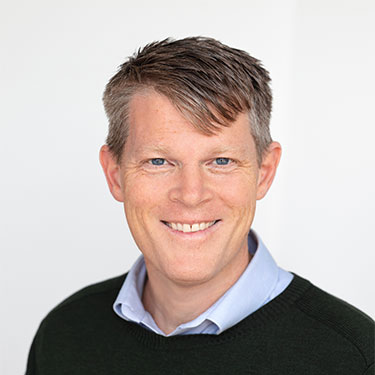
Lee Chilcote
Stories by: Lee Chilcote
Lee Chilcote is an award-winning journalist, writer, and author whose writing has been published in The Washington Post, Associated Press, National Public Radio, Chronicle of Philanthropy, Vanity Fair, Next City, Belt, The Cleveland Plain Dealer, Cleveland Magazine, Crain's Cleveland Business, and many literary journals and anthologies. He has also written poetry chapbooks, produced plays, and won a grant from the Ohio Arts Council. He is founder and past editor of The Land, a local news organization reporting on Cleveland's neighborhoods, and founder and past executive director of Literary Cleveland. He lives in the Detroit Shoreway neighborhood of Cleveland with his family.

Communities in Cuyahoga County are recycling about 50 percent of their waste on average, Diane Bickett, Executive Director of the Cuyahoga County Solid Waste District, told the audience at the recent Cleveland Composting and Recycling Forum.
Austin, Texas has an ambitious goal of reaching zero waste by 2040, which means reducing the amount of trash sent to landfills by 90 percent.
The question now becomes: How does our region advance those goals while encouraging communities with dismal levels of recycling to raise the bar? That was the question that Bickett posed to the crowd during the one-day examination of recycling and composting in our region.
The City of Cleveland has one of the lowest levels of recycling in Cuyahoga County at about seven percent. Cleveland Heights and Lakewood hover around 60 percent, and Pepper Pike is over 70 percent. Bickett said that Cleveland and other cities could improve recycling rates by focusing on new, automated technologies, expanding organic collection, adding more recycling in public spaces, making citywide policy changes, and better educating residents and businesses.
Beyond the sustainability benefits, recycling also creates jobs. "For every job in the disposal industry, 17 are created in the recycling industry," Bickett said.
Given the prowess of the local food and urban agriculture movements in Cleveland, Bickett cited an opportunity to create composting facilities run by volunteers and community organizations that generate nutrient-rich soil.
Councilman Brian Cummins criticized the city's one-size-fits-all disposal fee and unambitious recycling goals (the city aims to recycle up to 25 percent of its waste by building a waste-to-energy facility and rolling out curbside recycling citywide).
Cummins also promoted the idea that recycling could generate local jobs, although he and Bickett acknowledged that recycling programs actually cost cities money.
City of Cleveland representatives were invited to attend the forum but declined.
Source: Diane Bickett, Brian Cummins
Writer: Lee Chilcote
Austin, Texas has an ambitious goal of reaching zero waste by 2040, which means reducing the amount of trash sent to landfills by 90 percent.
The question now becomes: How does our region advance those goals while encouraging communities with dismal levels of recycling to raise the bar? That was the question that Bickett posed to the crowd during the one-day examination of recycling and composting in our region.
The City of Cleveland has one of the lowest levels of recycling in Cuyahoga County at about seven percent. Cleveland Heights and Lakewood hover around 60 percent, and Pepper Pike is over 70 percent. Bickett said that Cleveland and other cities could improve recycling rates by focusing on new, automated technologies, expanding organic collection, adding more recycling in public spaces, making citywide policy changes, and better educating residents and businesses.
Beyond the sustainability benefits, recycling also creates jobs. "For every job in the disposal industry, 17 are created in the recycling industry," Bickett said.
Given the prowess of the local food and urban agriculture movements in Cleveland, Bickett cited an opportunity to create composting facilities run by volunteers and community organizations that generate nutrient-rich soil.
Councilman Brian Cummins criticized the city's one-size-fits-all disposal fee and unambitious recycling goals (the city aims to recycle up to 25 percent of its waste by building a waste-to-energy facility and rolling out curbside recycling citywide).
Cummins also promoted the idea that recycling could generate local jobs, although he and Bickett acknowledged that recycling programs actually cost cities money.
City of Cleveland representatives were invited to attend the forum but declined.
Source: Diane Bickett, Brian Cummins
Writer: Lee Chilcote

Drivers traveling along I-90 near E. 55th could experience mild whiplash as they crane their necks to see the sheep grazing on the roadside this summer. It's not the most common sight along the lakefront, and the story behind it is no less unusual.
Michael Fleming first heard of the idea when he was studying Urban Planning at the Levin College of Urban Affairs at Cleveland State University. The mayor of Curitiba, Brazil had used sheep to mow the city's vast parkland, he found out.
"They brought in shepherds for parkland because it was cheaper than using machines," says Fleming. "With large amounts of land, it just makes sense."
A few months ago, when Fleming was hired as Executive Director of the St. Clair Superior Development Corporation, he finally had a chance to import the idea from South America to Cleveland. A flock of 12 sheep are now grazing along North Marginal Road just west of the Quay 55 apartment building. They are tended by volunteers and students from nearby St. Martin De Porres High School.
"About 95 percent of our neighbors think it's cool, and five percent are afraid they'll get picked off by teenagers or coyotes," says Fleming, who has fielded calls from as far away as Detroit about the program. "We wanted to see how it would work on large vacant parcels, and if we could save the city any money on mowing costs."
So far, the Urban Sheep Grazing program has worked out well, with the sheep, guarded by a feisty llama, seemingly content to graze all day in their shaggy lakefront field. Visitors regularly stop by to take pictures and show their kids.
The sheep are loaned from the Spicy Lamb Farm in the Cuyahoga Valley through a new entity called Urban Shepherds. Fleming thinks expanding the program could bring down costs and make it feasible as a mowing alternative; he hopes to have the numbers to back his hypothesis up by the end of the summer.
Source: Michael Fleming
Writer: Lee Chilcote
Michael Fleming first heard of the idea when he was studying Urban Planning at the Levin College of Urban Affairs at Cleveland State University. The mayor of Curitiba, Brazil had used sheep to mow the city's vast parkland, he found out.
"They brought in shepherds for parkland because it was cheaper than using machines," says Fleming. "With large amounts of land, it just makes sense."
A few months ago, when Fleming was hired as Executive Director of the St. Clair Superior Development Corporation, he finally had a chance to import the idea from South America to Cleveland. A flock of 12 sheep are now grazing along North Marginal Road just west of the Quay 55 apartment building. They are tended by volunteers and students from nearby St. Martin De Porres High School.
"About 95 percent of our neighbors think it's cool, and five percent are afraid they'll get picked off by teenagers or coyotes," says Fleming, who has fielded calls from as far away as Detroit about the program. "We wanted to see how it would work on large vacant parcels, and if we could save the city any money on mowing costs."
So far, the Urban Sheep Grazing program has worked out well, with the sheep, guarded by a feisty llama, seemingly content to graze all day in their shaggy lakefront field. Visitors regularly stop by to take pictures and show their kids.
The sheep are loaned from the Spicy Lamb Farm in the Cuyahoga Valley through a new entity called Urban Shepherds. Fleming thinks expanding the program could bring down costs and make it feasible as a mowing alternative; he hopes to have the numbers to back his hypothesis up by the end of the summer.
Source: Michael Fleming
Writer: Lee Chilcote

Technology, health care, food and rock and roll -- these are just a few of the industries flourishing in the eclectic Midtown neighborhood, its leaders told a sold out crowd at the Midtown Cleveland Inc. annual meeting at the InterContinental Hotel.
Key accomplishments within the past year include a successful lawsuit that stopped the Ohio Department of Transportation (ODOT) from closing Innerbelt ramps until a study has been completed; breaking ground on several new projects within the Health-Tech Corridor; securing a commitment for a new Third District police headquarters on Chester Avenue; facilitating the redevelopment of the historic Agora Theatre; and completing a new plan to transform the East 55th and Euclid intersection into a more vibrant downtown for the neighborhood.
"We are succeeding in reinventing MidTown Cleveland," said Director Jim Haviland.
"A healthy urban core helps all boats to rise, and MidTown is an example," said Len Komoroski, President of the Cleveland Cavaliers and Quicken Loans Arena, during a keynote address that touted the Cavs' investment in Cleveland. Komoroski said the Cavs had spent millions renovating Quicken Loans Arena into a "dynamic urban environment" that attracted people to visit downtown.
Komoroski shrugged off concerns that the new Horseshoe Casino would be a self-contained facility whose visitors would not spend money elsewhere in Cleveland. "This is a decidedly knit-into-the-urban-environment casino," he said. As an example of the spillover benefits of a casino that Komoroski claimed is "underserved from a food and beverage perspective," he cited the fact that Michael Symon recently tweeted about a record night at Lola on East 4th.
Source: Jim Haviland, Len Komoroski
Writer: Lee Chilcote
Key accomplishments within the past year include a successful lawsuit that stopped the Ohio Department of Transportation (ODOT) from closing Innerbelt ramps until a study has been completed; breaking ground on several new projects within the Health-Tech Corridor; securing a commitment for a new Third District police headquarters on Chester Avenue; facilitating the redevelopment of the historic Agora Theatre; and completing a new plan to transform the East 55th and Euclid intersection into a more vibrant downtown for the neighborhood.
"We are succeeding in reinventing MidTown Cleveland," said Director Jim Haviland.
"A healthy urban core helps all boats to rise, and MidTown is an example," said Len Komoroski, President of the Cleveland Cavaliers and Quicken Loans Arena, during a keynote address that touted the Cavs' investment in Cleveland. Komoroski said the Cavs had spent millions renovating Quicken Loans Arena into a "dynamic urban environment" that attracted people to visit downtown.
Komoroski shrugged off concerns that the new Horseshoe Casino would be a self-contained facility whose visitors would not spend money elsewhere in Cleveland. "This is a decidedly knit-into-the-urban-environment casino," he said. As an example of the spillover benefits of a casino that Komoroski claimed is "underserved from a food and beverage perspective," he cited the fact that Michael Symon recently tweeted about a record night at Lola on East 4th.
Source: Jim Haviland, Len Komoroski
Writer: Lee Chilcote

Christopher Busta-Peck first became interested in teaching others about Cleveland's architectural history when he developed summer history programs for kids as part of his job as a children's librarian.
Too fascinated to put the material down, he soon found himself enmeshed in creating a local history and preservation blog, Cleveland Area History, that has been called the voice of history and historic preservation in Northeast Ohio.
Part of what motivates Busta-Peck is the simple notion that our area's history often lies "hidden in plain sight" between modern buildings, tucked amid neighborhoods or covered up by garish additions. He also believes historic buildings are among the competitive advantages our city should trumpet.
"We have historic buildings that set us apart from other parts of the country," he says. "It's a monetary asset we need to think of when compared to other cities."
Through working to elevate the discussion about urban history, Busta-Peck hopes to make saving Cleveland's forgotten fabric a bigger part of our civic discourse.
On Saturday, June 9th, Busta-Peck will lead a walking tour of East Cleveland in collaboration with SPACES. Among the sites on the tour are a stone tannery he touts as one of the most significant early industrial sites in Cleveland and a large, once beautiful mansion that now lies hidden behind a gas station.
Source: Christopher Busta-Peck
Writer: Lee Chilcote
Too fascinated to put the material down, he soon found himself enmeshed in creating a local history and preservation blog, Cleveland Area History, that has been called the voice of history and historic preservation in Northeast Ohio.
Part of what motivates Busta-Peck is the simple notion that our area's history often lies "hidden in plain sight" between modern buildings, tucked amid neighborhoods or covered up by garish additions. He also believes historic buildings are among the competitive advantages our city should trumpet.
"We have historic buildings that set us apart from other parts of the country," he says. "It's a monetary asset we need to think of when compared to other cities."
Through working to elevate the discussion about urban history, Busta-Peck hopes to make saving Cleveland's forgotten fabric a bigger part of our civic discourse.
On Saturday, June 9th, Busta-Peck will lead a walking tour of East Cleveland in collaboration with SPACES. Among the sites on the tour are a stone tannery he touts as one of the most significant early industrial sites in Cleveland and a large, once beautiful mansion that now lies hidden behind a gas station.
Source: Christopher Busta-Peck
Writer: Lee Chilcote

When the Broadway Farmers Market in Slavic Village piloted a new program to offer a dollar-for-dollar match to Ohio Direction Card customers who purchase produce, it experienced a 191-percent increase in Direction Card sales in one year.
By offering incentives, the Produce Perks program helps to ensure that fresh, locally grown produce gets into low-income households where it's needed most. Many city residents do not have a grocery store with fresh produce within walking distance of their home. The program offers a dollar-for-dollar match up to $10.
This summer, the Produce Perks program is being expanded to 17 local farmers markets throughout Cuyahoga County. The program has been successful at helping lower-income residents to overcome obstacles that inhibit them from shopping at farmers markets and boosting their produce purchasing power, organizers say.
"We know that there are more people using local food assistance programs due to the economy, so how do we get them to local farmers markets?" says Erika Meschkat, Program Coordinator with the Ohio State University Extension. "This is about improving public health, boosting local food production and creating economic development opportunities at neighborhood farmers markets."
Meschkat says that the Produce Perks program helps farmers markets to profit from an untapped market. While many suburban market managers are shocked to realize that they have customers on food assistance, too, it benefits them as well.
The program is part of a regional push to address healthy food gaps by helping low-income residents to take advantage of farmers markets. Produce Perks is coordinated by the Cleveland-Cuyahoga County Food Policy Coalition with the support of several area foundations and Wholesome Wave, a national nonprofit organization focused on access to healthy, affordable foods in poor communities.
Source: Cleveland-Cuyahoga County Food Policy Coalition
Writer: Lee Chilcote
By offering incentives, the Produce Perks program helps to ensure that fresh, locally grown produce gets into low-income households where it's needed most. Many city residents do not have a grocery store with fresh produce within walking distance of their home. The program offers a dollar-for-dollar match up to $10.
This summer, the Produce Perks program is being expanded to 17 local farmers markets throughout Cuyahoga County. The program has been successful at helping lower-income residents to overcome obstacles that inhibit them from shopping at farmers markets and boosting their produce purchasing power, organizers say.
"We know that there are more people using local food assistance programs due to the economy, so how do we get them to local farmers markets?" says Erika Meschkat, Program Coordinator with the Ohio State University Extension. "This is about improving public health, boosting local food production and creating economic development opportunities at neighborhood farmers markets."
Meschkat says that the Produce Perks program helps farmers markets to profit from an untapped market. While many suburban market managers are shocked to realize that they have customers on food assistance, too, it benefits them as well.
The program is part of a regional push to address healthy food gaps by helping low-income residents to take advantage of farmers markets. Produce Perks is coordinated by the Cleveland-Cuyahoga County Food Policy Coalition with the support of several area foundations and Wholesome Wave, a national nonprofit organization focused on access to healthy, affordable foods in poor communities.
Source: Cleveland-Cuyahoga County Food Policy Coalition
Writer: Lee Chilcote
pink public art display brightens eastman reading garden at downtown library
The ordinary spaces that we walk through every day without noticing form, details or color can very often be transformed with simple changes that cause us to stop and look more closely at our surroundings.
Like pink. And lots of it.
A new art installation in the Eastman Reading Garden of the downtown Cleveland Public Library aims to transform viewers' perception of this quiet, reflective space by adding bold pink chairs and pink window coverings throughout the space. The art project was designed by Cleveland artist Scott Stibich and funded by the Lockwood Thompson Endowment Fund of the Cleveland Public Library.
The 100 moveable pink chairs are part of the See Also program, which brings temporary works of public art to the Eastman Reading Garden. See Also is a partnership between Cleveland Public Library and LAND Studio. Visitors will interact with and become a part of Stibich's artwork as they move the painted chairs around to find their own comfortable place to sit, read and eat lunch.
"My goal was to disrupt the architecture just enough to displace the viewer," says Stibich. "The garden is a space where everyone comes to talk or just reflect and get lost in their day. I carried the pop-up color into the architecture, too."
The colorful window banners were assembled by designer Katie Parland.
Source: LAND Studio, Cleveland Public Library, Scott Stibich
Writer: Lee Chilcote
Like pink. And lots of it.
A new art installation in the Eastman Reading Garden of the downtown Cleveland Public Library aims to transform viewers' perception of this quiet, reflective space by adding bold pink chairs and pink window coverings throughout the space. The art project was designed by Cleveland artist Scott Stibich and funded by the Lockwood Thompson Endowment Fund of the Cleveland Public Library.
The 100 moveable pink chairs are part of the See Also program, which brings temporary works of public art to the Eastman Reading Garden. See Also is a partnership between Cleveland Public Library and LAND Studio. Visitors will interact with and become a part of Stibich's artwork as they move the painted chairs around to find their own comfortable place to sit, read and eat lunch.
"My goal was to disrupt the architecture just enough to displace the viewer," says Stibich. "The garden is a space where everyone comes to talk or just reflect and get lost in their day. I carried the pop-up color into the architecture, too."
The colorful window banners were assembled by designer Katie Parland.
Source: LAND Studio, Cleveland Public Library, Scott Stibich
Writer: Lee Chilcote

In April, 51 volunteers picked up more than 500 pounds of trash at Edgewater Park as part of an effort to revitalize our city's beaches and reconnect Clevelanders to our lakefront parks.
Among the items that were collected at Edgewater that day were more than 3,000 cigar tips that had washed up in Edgewater cove.
Cleveland has the dubious distinction of being a leader in cigar tip pollution in the Great Lakes region, says Erin Huber of Drink Local Drink Tap. Currently, Huber has the cigar tips soaking in soapy water in her basement. She plans to complete an art project with them in order to raise awareness about pollution in Lake Erie.
Huber says that the beach cleanups help to improve the city's neglected system of lakefront parks. "It makes me absolutely furious, because the state park staff are basically glorified garbage people who hardly even have time to replace broken light bulbs," she says. "The state parks don't have any money, but all of the volunteer hours we log can be used to apply for funding for the park."
Although Huber believes that the long-term solution for the lakefront parks is for the City of Cleveland to hire the Metroparks to more effectively manage them, she is encouraged by the diverse array of beach lovers that have pitched in to help so far. These events help to build an active constituency for the parks, she says.
The Friends of Edgewater Park, the nonprofit group that partners with Drink Local Drink Tap on the cleanups, is focusing its efforts on supporting Ohio Department of Natural Resources staff through a range of activities.
The next "Pancakes and Trash" beach cleanup, which is cosponsored by Friends of Edgewater Park, the Ohio Sierra Club, Cleveland Lakefront State Parks and 106.5 The Lake, takes place on Saturday, June 2nd from 10 a.m. to 12 p.m. The Ohio Sierra Club is hosting a free pancake breakfast that begins at 9 a.m.
Source: Erin Huber
Writer: Lee Chilcote
Among the items that were collected at Edgewater that day were more than 3,000 cigar tips that had washed up in Edgewater cove.
Cleveland has the dubious distinction of being a leader in cigar tip pollution in the Great Lakes region, says Erin Huber of Drink Local Drink Tap. Currently, Huber has the cigar tips soaking in soapy water in her basement. She plans to complete an art project with them in order to raise awareness about pollution in Lake Erie.
Huber says that the beach cleanups help to improve the city's neglected system of lakefront parks. "It makes me absolutely furious, because the state park staff are basically glorified garbage people who hardly even have time to replace broken light bulbs," she says. "The state parks don't have any money, but all of the volunteer hours we log can be used to apply for funding for the park."
Although Huber believes that the long-term solution for the lakefront parks is for the City of Cleveland to hire the Metroparks to more effectively manage them, she is encouraged by the diverse array of beach lovers that have pitched in to help so far. These events help to build an active constituency for the parks, she says.
The Friends of Edgewater Park, the nonprofit group that partners with Drink Local Drink Tap on the cleanups, is focusing its efforts on supporting Ohio Department of Natural Resources staff through a range of activities.
The next "Pancakes and Trash" beach cleanup, which is cosponsored by Friends of Edgewater Park, the Ohio Sierra Club, Cleveland Lakefront State Parks and 106.5 The Lake, takes place on Saturday, June 2nd from 10 a.m. to 12 p.m. The Ohio Sierra Club is hosting a free pancake breakfast that begins at 9 a.m.
Source: Erin Huber
Writer: Lee Chilcote

Great Lakes Brewing Company is now the 18th largest craft brewery in the U.S. and the 27th largest overall. The company brews more than 110,000 barrels of handcrafted beer every year.
The brewing process takes place in a warehouse at Carroll Avenue and West 28th Street near the West Side Market. Visitors to Great Lakes Brewing Company's flagship bar and restaurant on Market Avenue often can catch a whiff of the beer brewing and fermenting as they walk in to grab a pint.
Recently, Great Lakes purchased and installed two new 300-barrel fermentation tanks to further expand its brewing capacity. The new equipment, which was hoisted in by crane through the roof of its Carroll Avenue tank farm, is on top of $7 million in capital improvements completed in 2010 to expand capacity.
Great Lakes beer is now available in 13 states and Washington D.C., and the company has a philosophy of supporting sustainability and natural, locally grown food. Owners Patrick and Daniel Conway have plans to deepen Great Lakes' presence in existing markets as they celebrate its 25th anniversary in 2013.
Source: Great Lakes Brewing Company
Writer: Lee Chilcote
The brewing process takes place in a warehouse at Carroll Avenue and West 28th Street near the West Side Market. Visitors to Great Lakes Brewing Company's flagship bar and restaurant on Market Avenue often can catch a whiff of the beer brewing and fermenting as they walk in to grab a pint.
Recently, Great Lakes purchased and installed two new 300-barrel fermentation tanks to further expand its brewing capacity. The new equipment, which was hoisted in by crane through the roof of its Carroll Avenue tank farm, is on top of $7 million in capital improvements completed in 2010 to expand capacity.
Great Lakes beer is now available in 13 states and Washington D.C., and the company has a philosophy of supporting sustainability and natural, locally grown food. Owners Patrick and Daniel Conway have plans to deepen Great Lakes' presence in existing markets as they celebrate its 25th anniversary in 2013.
Source: Great Lakes Brewing Company
Writer: Lee Chilcote

The Orlando Baking Company, which was founded in 1872 in Castel di Sangro, Italy and came to Cleveland in 1904, has received a $1.3 million Clean Ohio grant to clean up a brownfield adjacent to its facility at E. 79th and Woodland Avenue. Orlando plans to expand onto the property, retaining about 40 jobs and creating 15 new jobs.
The funds will be used to demolish and remediate the former Van Dorn property at 2700 E. 79th Street. The City of Cleveland is a partner in the cleanup project.
Orlando Baking sells bread throughout Northeast Ohio and around the country. Orlando recently introduced a probiotic bread that contains the same healthy microbes that exist in foods such as yogurt. The company has expanded several times in its Cleveland location, and currently employs about 300 workers.
Clean Ohio grants are provided through a competitive application process to allow for the reuse of commercial and industrial properties that are currently underutilized. Since its inception, 150 Clean Ohio Revitalization Fund projects have been awarded more than $295 million, leveraging $2.5 billion in private sector investment and creating and retaining more than 12,500 jobs.
Source: Ohio Department of Development, Orlando Baking Company
Writer: Lee Chilcote
The funds will be used to demolish and remediate the former Van Dorn property at 2700 E. 79th Street. The City of Cleveland is a partner in the cleanup project.
Orlando Baking sells bread throughout Northeast Ohio and around the country. Orlando recently introduced a probiotic bread that contains the same healthy microbes that exist in foods such as yogurt. The company has expanded several times in its Cleveland location, and currently employs about 300 workers.
Clean Ohio grants are provided through a competitive application process to allow for the reuse of commercial and industrial properties that are currently underutilized. Since its inception, 150 Clean Ohio Revitalization Fund projects have been awarded more than $295 million, leveraging $2.5 billion in private sector investment and creating and retaining more than 12,500 jobs.
Source: Ohio Department of Development, Orlando Baking Company
Writer: Lee Chilcote

The Princeton Prize in Race Relations is awarded each year to outstanding high school students across the country who are helping to increase understanding and mutual respect among all races and cultures.
The Cleveland prize, now in its second year, was recently awarded to Demi Zhang, a freshman at Orange High School who has devoted herself to achieving racial and cultural harmony through teaching others. Zhang has exposed her community to Chinese culture through art and music (she plays the Gu-Zheng, which is the Chinese zither) and created a Chinese club for neighborhood children.
"I found that people were not very aware of Chinese culture in Northeast Ohio, even though we have a sizeable Chinese community here," says the Pepper Pike resident. "Our Chinese heritage is important to my parents and grandparents, and I inherited that. Along with preserving my own identity, I wanted to address different barriers that exist between cultures in the form of ignorance."
"When people share aspects of their culture, they share part of their identity," she adds. "That kind of understanding is what the Princeton Prize is all about."
The winner of the Princeton Prize receives a $1,000 cash prize and is publicly recognized for his or her efforts. Two other Cleveland-area students -- Prateek Singh, a freshman at Solon High School, and Shivangi Bhatia, a sophomore at Orange -- received Certificates of Accomplishment for their work.
An awards event will take place on Thursday, May 24th at the Tudor Arms Hotel. For more information or to attend, contact Sandhya Gupta at sandhyag@alumni.princeton.edu.
Source: Sandhya Gupta, Demi Zhang
Writer: Lee Chilcote
The Cleveland prize, now in its second year, was recently awarded to Demi Zhang, a freshman at Orange High School who has devoted herself to achieving racial and cultural harmony through teaching others. Zhang has exposed her community to Chinese culture through art and music (she plays the Gu-Zheng, which is the Chinese zither) and created a Chinese club for neighborhood children.
"I found that people were not very aware of Chinese culture in Northeast Ohio, even though we have a sizeable Chinese community here," says the Pepper Pike resident. "Our Chinese heritage is important to my parents and grandparents, and I inherited that. Along with preserving my own identity, I wanted to address different barriers that exist between cultures in the form of ignorance."
"When people share aspects of their culture, they share part of their identity," she adds. "That kind of understanding is what the Princeton Prize is all about."
The winner of the Princeton Prize receives a $1,000 cash prize and is publicly recognized for his or her efforts. Two other Cleveland-area students -- Prateek Singh, a freshman at Solon High School, and Shivangi Bhatia, a sophomore at Orange -- received Certificates of Accomplishment for their work.
An awards event will take place on Thursday, May 24th at the Tudor Arms Hotel. For more information or to attend, contact Sandhya Gupta at sandhyag@alumni.princeton.edu.
Source: Sandhya Gupta, Demi Zhang
Writer: Lee Chilcote

Last fall, when the Ohio Environmental Protection Agency held a hearing on the City of Cleveland's proposed waste-to-energy plant, hundreds of protesters turned out to decry the plans.
The gasification plant, which would turn trash into energy to be used by Cleveland Public Power, would result in unacceptable levels of pollution in urban neighborhoods, environmental groups said.
Since then, the city has terminated its agreement with its controversial consultant, Peter Tien. However, CPP says that it is still studying the waste-to-energy plant as well as other options to increase recycling, reduce costs and generate electricity.
To capitalize on the renewed interest in recycling and composting generated by the public meetings earlier this year, environmental groups are now pressing the city to develop a more comprehensive plan. Ohio Citizen Action, Earthday Coalition and other groups have organized the Cleveland Composting and Recycling Forum on Saturday, June 2nd at the downtown YMCA.
“Clevelanders have said loud and clear that they want stronger recycling programs,” commented Chris Trepal, Executive Director of Earth Day Coalition, in a news release. “The urban gardening and local food community in Cleveland creates hundreds of opportunities for the productive use of compost.”
"We're hoping to bring in good ideas from other cities," adds Sandy Buchanan, Executive Director of Ohio Citizen Action, who says that the local and national speakers attending the event will provide a litany of successful models.
The public forum takes place at a crucial time, as the city is gearing up to roll out its recycling program to additional neighborhoods over the course of the summer.
Brian Cummins, a Cleveland Councilman who represents the Brooklyn Centre, Clark-Fulton and Stockyards neighborhoods adjacent to the proposed gasification plant, says that the city's recycling program needs improvement.
"The city claims this is a comprehensive system, but they haven't been able to roll it out citywide due to budget problems," he says. "We need to look at incentives to recycle, such as 'pay as you throw' fees that other cities are now using."
The City of Cleveland has stated that its goal in the next few years is to roll out its recycling program to all neighborhoods. No composting program currently exists.
Source: Chris Trepal, Brian Cummins
Writer: Lee Chilcote
The gasification plant, which would turn trash into energy to be used by Cleveland Public Power, would result in unacceptable levels of pollution in urban neighborhoods, environmental groups said.
Since then, the city has terminated its agreement with its controversial consultant, Peter Tien. However, CPP says that it is still studying the waste-to-energy plant as well as other options to increase recycling, reduce costs and generate electricity.
To capitalize on the renewed interest in recycling and composting generated by the public meetings earlier this year, environmental groups are now pressing the city to develop a more comprehensive plan. Ohio Citizen Action, Earthday Coalition and other groups have organized the Cleveland Composting and Recycling Forum on Saturday, June 2nd at the downtown YMCA.
“Clevelanders have said loud and clear that they want stronger recycling programs,” commented Chris Trepal, Executive Director of Earth Day Coalition, in a news release. “The urban gardening and local food community in Cleveland creates hundreds of opportunities for the productive use of compost.”
"We're hoping to bring in good ideas from other cities," adds Sandy Buchanan, Executive Director of Ohio Citizen Action, who says that the local and national speakers attending the event will provide a litany of successful models.
The public forum takes place at a crucial time, as the city is gearing up to roll out its recycling program to additional neighborhoods over the course of the summer.
Brian Cummins, a Cleveland Councilman who represents the Brooklyn Centre, Clark-Fulton and Stockyards neighborhoods adjacent to the proposed gasification plant, says that the city's recycling program needs improvement.
"The city claims this is a comprehensive system, but they haven't been able to roll it out citywide due to budget problems," he says. "We need to look at incentives to recycle, such as 'pay as you throw' fees that other cities are now using."
The City of Cleveland has stated that its goal in the next few years is to roll out its recycling program to all neighborhoods. No composting program currently exists.
Source: Chris Trepal, Brian Cummins
Writer: Lee Chilcote

Although the environmental health of the Cuyahoga River has dramatically improved in recent decades, ugly mats of hazardous floating debris and litter still accumulate in the bends of the famously crooked river.
If a violent storm rolls in off Lake Erie, or strong winds spring up, the mats can easily break apart and float into the shipping channel. The sudden presence of fallen logs and other debris can create a dangerous obstacle course for boaters and rowers traversing the river.
Later this summer, the Cleveland-Cuyahoga County Port Authority will begin using two specialized aluminum work boats to remove floating debris from the river and the Lake Erie shoreline. The new boats, called Flotsam and Jetsam, are being paid for by a $425,160 grant from the Great Lakes Restoration Initiative. The river cleanup initiative is the first comprehensive initiative of its kind.
"The river is a lot cleaner than it looks and now has 40 species of fish, but this program will demonstrate stewardship to the community," says Jim White, Director of Sustainable Infrastructure Programs for the Port Authority. "This is one of the pieces of the puzzle in terms of restoring the health of the river."
Source: Jim White
Writer: Lee Chilcote
If a violent storm rolls in off Lake Erie, or strong winds spring up, the mats can easily break apart and float into the shipping channel. The sudden presence of fallen logs and other debris can create a dangerous obstacle course for boaters and rowers traversing the river.
Later this summer, the Cleveland-Cuyahoga County Port Authority will begin using two specialized aluminum work boats to remove floating debris from the river and the Lake Erie shoreline. The new boats, called Flotsam and Jetsam, are being paid for by a $425,160 grant from the Great Lakes Restoration Initiative. The river cleanup initiative is the first comprehensive initiative of its kind.
"The river is a lot cleaner than it looks and now has 40 species of fish, but this program will demonstrate stewardship to the community," says Jim White, Director of Sustainable Infrastructure Programs for the Port Authority. "This is one of the pieces of the puzzle in terms of restoring the health of the river."
Source: Jim White
Writer: Lee Chilcote

Kevin Busta's trendy, neo-industrial furnishings have been written up in the New York Times and grace sleek lofts and posh living rooms all the way from New York City to Los Angeles and San Francisco.
Yet the metalworking artist, who grew up in Medina, chose W. 14th Street in Tremont to locate his showroom. Last week, he sold out of nearly all his furnishings in a single week as eight new businesses opened in the neighborhood and the monthly Art Walk kicked off the summer season.
"Cleveland is so full of everything that I really need," says Busta, a former boilermaker who was once arrested for dumpster diving at an industrial park in Medina (he got off after showing the judge photos of his high-end furniture). "New York doesn't have what Cleveland has in terms of surplus scrap metal."
Busta makes his lamps, tables and chairs out of metal that he buys at scrap yards and auctions. His tables typically sell for $4,000 and up, while a table lamp might sell for $300 to $500. Busta stresses that he does not simply repurpose scrap materials, but rather transforms the raw materials into something new.
"It's glorifying the old with a modern twist to it," he says. "It's taking what a lot of people see every day driving through industrial parks and changing the way people look at these old, industrial remnants by glorifying rust."
Source: Kevin Busta
Writer: Lee Chilcote
Yet the metalworking artist, who grew up in Medina, chose W. 14th Street in Tremont to locate his showroom. Last week, he sold out of nearly all his furnishings in a single week as eight new businesses opened in the neighborhood and the monthly Art Walk kicked off the summer season.
"Cleveland is so full of everything that I really need," says Busta, a former boilermaker who was once arrested for dumpster diving at an industrial park in Medina (he got off after showing the judge photos of his high-end furniture). "New York doesn't have what Cleveland has in terms of surplus scrap metal."
Busta makes his lamps, tables and chairs out of metal that he buys at scrap yards and auctions. His tables typically sell for $4,000 and up, while a table lamp might sell for $300 to $500. Busta stresses that he does not simply repurpose scrap materials, but rather transforms the raw materials into something new.
"It's glorifying the old with a modern twist to it," he says. "It's taking what a lot of people see every day driving through industrial parks and changing the way people look at these old, industrial remnants by glorifying rust."
Source: Kevin Busta
Writer: Lee Chilcote

Two Cleveland boys from modest backgrounds in the Glenville neighborhood dreamed up Superman 80 years ago. The beloved character -- and many more like him -- have been rescuing boys from boredom and engaging them in reading and writing ever since.
This week, in an inspired twist on this fabled story, a group of third grade and seventh grade boys from Citizens Academy and University School are participating in a superheroes story workshop at Ohio City Writers, a new nonprofit writing center on Lorain Avenue in Ohio City.
The creators of the event hope that the workshop not only gets kids interested in reading and writing, but also helps them soar to new heights as engaged learners.
During the workshop, groups of boys will team up to create characters, settings and plots, then write their own superhero stories and share them with the group. It is being led by Frank Lewis, former Free Times and Scene editor and founder of Ohio City Writers.
Patty Dowd, Director of Student Enrichment at University School, says that extracurricular programs such as this one are important because they inspire boys to read and connect boys of different backgrounds in a fun, social setting.
"Reading is always an issue with boys, and they often don't have male role models who read and like to read books that are recommended by other boys," says Dowd. "Comic books are a great way to get boys into reading and writing."
Source: Patty Dowd
Writer: Lee Chilcote
This week, in an inspired twist on this fabled story, a group of third grade and seventh grade boys from Citizens Academy and University School are participating in a superheroes story workshop at Ohio City Writers, a new nonprofit writing center on Lorain Avenue in Ohio City.
The creators of the event hope that the workshop not only gets kids interested in reading and writing, but also helps them soar to new heights as engaged learners.
During the workshop, groups of boys will team up to create characters, settings and plots, then write their own superhero stories and share them with the group. It is being led by Frank Lewis, former Free Times and Scene editor and founder of Ohio City Writers.
Patty Dowd, Director of Student Enrichment at University School, says that extracurricular programs such as this one are important because they inspire boys to read and connect boys of different backgrounds in a fun, social setting.
"Reading is always an issue with boys, and they often don't have male role models who read and like to read books that are recommended by other boys," says Dowd. "Comic books are a great way to get boys into reading and writing."
Source: Patty Dowd
Writer: Lee Chilcote

Every spring, the Cleveland Lakefront Nature Preserve is a bustling, seasonal stopover for birds and butterflies on their annual migration northward. The 88-acre preserve, a former dredging containment facility reclaimed by nature, is now a unique, undeveloped park along Lake Erie.
Yet, while more than 280 species of birds have been spotted at this lush, wild site, many Clevelanders still don't know about the preserve, which was created earlier this year by the Cleveland-Cuyahoga County Port Authority. The Port hopes to change that by introducing a few more Northeast Ohioans to the park this weekend at its twice-annual open house and Migration Mania event.
"This is the only nature preserve in Cuyahoga County," says Linda Sternheimer, Development Manager with the Port of Cleveland. "It's also one of the few places where you can look at the lake without the breakwall and get a sense of the enormity of Lake Erie, and it offers unobstructed views of downtown."
The open house takes place Saturday, May 19th from 7:30 a.m. until 2 p.m. The Cleveland Lakefront Nature Preserve is located east of I-90 and Martin Luther King Jr. Drive. Visitors are invited to walk the 1.3-mile loop trail and enjoy guided hikes by naturalists and presentations on the history and ecology of the site.
Source: Linda Sternheimer
Writer: Lee Chilcote
Yet, while more than 280 species of birds have been spotted at this lush, wild site, many Clevelanders still don't know about the preserve, which was created earlier this year by the Cleveland-Cuyahoga County Port Authority. The Port hopes to change that by introducing a few more Northeast Ohioans to the park this weekend at its twice-annual open house and Migration Mania event.
"This is the only nature preserve in Cuyahoga County," says Linda Sternheimer, Development Manager with the Port of Cleveland. "It's also one of the few places where you can look at the lake without the breakwall and get a sense of the enormity of Lake Erie, and it offers unobstructed views of downtown."
The open house takes place Saturday, May 19th from 7:30 a.m. until 2 p.m. The Cleveland Lakefront Nature Preserve is located east of I-90 and Martin Luther King Jr. Drive. Visitors are invited to walk the 1.3-mile loop trail and enjoy guided hikes by naturalists and presentations on the history and ecology of the site.
Source: Linda Sternheimer
Writer: Lee Chilcote

This weekend, tens of thousands of visitors will descend on the St. Clair Superior neighborhood for the Cleveland Asian Festival. During their visit, they will be delighted by 25 colorful dragon sculptures painted by local artists and installed outside businesses to beautify the area and celebrate the arts and Asian culture.
The public art project commemorates the Chinese Year of the Dragon, which began with the new moon in January and continues for a full 12 months.
Each one of these fantastic creatures will be completely unique. For example, Cleveland tattoo artist Sean Kelly painted a dragon featuring butterflies flying out of its chest, the kind of glittering eyes used in stuffed animals, and real antlers.
The dragons will be displayed through the end of August. They will be auctioned off at a special benefit on Saturday, September 29th, the proceeds of which will support arts and culture programming in the St. Clair Superior neighborhood.
On Thursday, May 31st, the St. Clair Superior Development Corporation and artist Anna Arnold will also unveil a huge, 40- foot mural on the side of the Consolidated Graphics building at E. 39th and Payne Avenue. The project was created with the help of neighborhood schoolchildren and Asian seniors.
Source: Becca Britton
Writer: Lee Chilcote
The public art project commemorates the Chinese Year of the Dragon, which began with the new moon in January and continues for a full 12 months.
Each one of these fantastic creatures will be completely unique. For example, Cleveland tattoo artist Sean Kelly painted a dragon featuring butterflies flying out of its chest, the kind of glittering eyes used in stuffed animals, and real antlers.
The dragons will be displayed through the end of August. They will be auctioned off at a special benefit on Saturday, September 29th, the proceeds of which will support arts and culture programming in the St. Clair Superior neighborhood.
On Thursday, May 31st, the St. Clair Superior Development Corporation and artist Anna Arnold will also unveil a huge, 40- foot mural on the side of the Consolidated Graphics building at E. 39th and Payne Avenue. The project was created with the help of neighborhood schoolchildren and Asian seniors.
Source: Becca Britton
Writer: Lee Chilcote

Last year, Akron marketing professional Amy Wong signed up to attend Cleveland GiveCamp for a few hours and ended up staying the entire weekend. She was taken with its mission of helping nonprofits with tech projects -- and she was having a good time.
This year, she hopes to deliver an even bigger impact by serving more nonprofits. GiveCamp, which is part of a national network of events that link technology professionals with nonprofits, is accepting applications until June 17th. The event takes place July 20th-22nd on LeanDog's barge at North Coast Harbor.
"Not only do nonprofits get help, but the teams learn a lot about the nonprofit community," says Wong of the event. "It's a win-win situation on both fronts."
Getting accepted into GiveCamp is competitive, and nonprofits must demonstrate a feasible project, community benefit and financial need. The projects help them better serve their constituencies by becoming more efficient and effective.
Last year, GiveCamp helped 23 nonprofit organizations with $500,000 worth of free development work. Completed projects include 17 new websites, three database applications, an iPhone app, Android app and mobile website.
Source: Amy Wong
Writer: Lee Chilcote
This year, she hopes to deliver an even bigger impact by serving more nonprofits. GiveCamp, which is part of a national network of events that link technology professionals with nonprofits, is accepting applications until June 17th. The event takes place July 20th-22nd on LeanDog's barge at North Coast Harbor.
"Not only do nonprofits get help, but the teams learn a lot about the nonprofit community," says Wong of the event. "It's a win-win situation on both fronts."
Getting accepted into GiveCamp is competitive, and nonprofits must demonstrate a feasible project, community benefit and financial need. The projects help them better serve their constituencies by becoming more efficient and effective.
Last year, GiveCamp helped 23 nonprofit organizations with $500,000 worth of free development work. Completed projects include 17 new websites, three database applications, an iPhone app, Android app and mobile website.
Source: Amy Wong
Writer: Lee Chilcote

Whereas some kids bond with their dads over football or baseball, Jacob Friedman and his dad have always bonded over oldies music stars like Petula Clark and Dean Martin and old movies starring Tim Conway.
Five years ago, Friedman suddenly had blurry vision and he couldn't get out of bed. He was diagnosed with a brain tumor. The nine-year-old listened to Clark's "Downtown" to comfort him as he traveled from his home in Parma to Rainbow Babies and Children's Hospital in University Circle.
By a stroke of luck, Friedman later ran into Petula Clark while vacationing with his family at Disney World during a trip that was sponsored by the Make-a-Wish Foundation. He asked for her autograph and they talked for over an hour. Clark was so taken with the young boy's story that she stayed in contact with him.
Figuring that he had nothing to lose, Friedman also emailed Tim Conway through his website. They soon struck up a relationship that continues to this day. Clark, Conway and some of Friedman's other film and music heroes have encouraged him to stay hopeful about his recovery and pursue his dream of becoming an artist.
"It's really meant a lot to me to have them a part of my life," says Friedman.
Now, Friedman has achieved another one of his longtime dreams. The 13-year-old has painted a "gratitude guitar" as part of Guitarmania, an event that places large, colorfully painted guitars around Cleveland to benefit United Way and the Rock and Roll Hall of Fame's education programs. The guitar features a rendering of Petula Clark and Tim Conway, and will soon be revealed to them as a surprise.
"Jacob thought it would be a great opportunity to say thank you in a really big way," says Steve Friedman, Jacob's father. "He wanted it to be a surprise."
The front of the guitar contains the words "laughter and music are the best medicine" and the guitar also features an image of Cleveland's skyline.
The Guitarmania kickoff takes place on Friday, May 25th at the Rock Hall.
Source: Jacob Friedman, Steve Friedman
Writer: Lee Chilcote
Five years ago, Friedman suddenly had blurry vision and he couldn't get out of bed. He was diagnosed with a brain tumor. The nine-year-old listened to Clark's "Downtown" to comfort him as he traveled from his home in Parma to Rainbow Babies and Children's Hospital in University Circle.
By a stroke of luck, Friedman later ran into Petula Clark while vacationing with his family at Disney World during a trip that was sponsored by the Make-a-Wish Foundation. He asked for her autograph and they talked for over an hour. Clark was so taken with the young boy's story that she stayed in contact with him.
Figuring that he had nothing to lose, Friedman also emailed Tim Conway through his website. They soon struck up a relationship that continues to this day. Clark, Conway and some of Friedman's other film and music heroes have encouraged him to stay hopeful about his recovery and pursue his dream of becoming an artist.
"It's really meant a lot to me to have them a part of my life," says Friedman.
Now, Friedman has achieved another one of his longtime dreams. The 13-year-old has painted a "gratitude guitar" as part of Guitarmania, an event that places large, colorfully painted guitars around Cleveland to benefit United Way and the Rock and Roll Hall of Fame's education programs. The guitar features a rendering of Petula Clark and Tim Conway, and will soon be revealed to them as a surprise.
"Jacob thought it would be a great opportunity to say thank you in a really big way," says Steve Friedman, Jacob's father. "He wanted it to be a surprise."
The front of the guitar contains the words "laughter and music are the best medicine" and the guitar also features an image of Cleveland's skyline.
The Guitarmania kickoff takes place on Friday, May 25th at the Rock Hall.
Source: Jacob Friedman, Steve Friedman
Writer: Lee Chilcote
tremont's new miranda's vintage bridal upcycles classic gowns
Miranda Park has always loved vintage ball gowns from the '40s and '50s, whose intricate, hand-sewn details and figure-flattering designs are often imitated, but nearly impossible to replicate.
Last month, Park traded her job as a seamstress at a bridal store in Rocky River to launch Miranda's Vintage Bridal and Alterations on W. 14th Street in Tremont. She's turned her passion for classic gowns into a business that can help modern brides go green -- and look great doing it.
"They just don't make dresses like that anymore," says Park, who majored in fashion design at Kent State University and says that artsy, historic Tremont is the perfect spot for her destination business. "I find them on eBay or at vintage stores, then use my skills as a seamstress to remake, redesign and restore them."
Park invites her customers to bring in their favorite vintage gowns for custom alterations. Since most new wedding dresses are expensive and used once, she says she's tapping into a national trend towards green, sustainable weddings.
Source: Miranda Park
Writer: Lee Chilcote
Last month, Park traded her job as a seamstress at a bridal store in Rocky River to launch Miranda's Vintage Bridal and Alterations on W. 14th Street in Tremont. She's turned her passion for classic gowns into a business that can help modern brides go green -- and look great doing it.
"They just don't make dresses like that anymore," says Park, who majored in fashion design at Kent State University and says that artsy, historic Tremont is the perfect spot for her destination business. "I find them on eBay or at vintage stores, then use my skills as a seamstress to remake, redesign and restore them."
Park invites her customers to bring in their favorite vintage gowns for custom alterations. Since most new wedding dresses are expensive and used once, she says she's tapping into a national trend towards green, sustainable weddings.
Source: Miranda Park
Writer: Lee Chilcote

Brand Muscle CEO Philip Alexander freely admits that he was initially opposed to moving his firm to downtown Cleveland because he didn't want to give up his breezy, 17-minute commute to the office.
Research studies have shown that the most powerful predictor of a firm's location is where the top executives live. For Brand Muscle's leadership, it was convenient to commute from the east-side suburbs to their offices in Beachwood, where the software firm has grown to 150 employees.
But as the firm outgrew its suburban offices and launched a search for a location that would facilitate its expansion, what happened next was not quite according to script. Brand Muscle's younger employees launched a campaign to encourage Alexander and other leaders to consider downtown Cleveland.
"There was quite a bit of lobbying, actually -- many of our employees are younger, and I was surprised by how many of them wanted us to move downtown," says Alexander. "The increased vibrancy of downtown made us take a look."
In November, Brand Muscle expects to move to freshly leased offices at 11000 Superior Avenue in the Nine-Twelve District. Initially, the firm will lease about 40,000 square feet, but it has the option to continuously expand as needed.
Alexander says that Brand Muscle's new downtown location will allow the firm to better attract younger employees, facilitate networking with other software companies, and provide entertainment options when clients are in town.
Brand Muscle sells software that helps businesses customize marketing materials for local audiences in order to optimize their sales and improve revenue growth.
Source: Philip Alexander
Writer: Lee Chilcote
Research studies have shown that the most powerful predictor of a firm's location is where the top executives live. For Brand Muscle's leadership, it was convenient to commute from the east-side suburbs to their offices in Beachwood, where the software firm has grown to 150 employees.
But as the firm outgrew its suburban offices and launched a search for a location that would facilitate its expansion, what happened next was not quite according to script. Brand Muscle's younger employees launched a campaign to encourage Alexander and other leaders to consider downtown Cleveland.
"There was quite a bit of lobbying, actually -- many of our employees are younger, and I was surprised by how many of them wanted us to move downtown," says Alexander. "The increased vibrancy of downtown made us take a look."
In November, Brand Muscle expects to move to freshly leased offices at 11000 Superior Avenue in the Nine-Twelve District. Initially, the firm will lease about 40,000 square feet, but it has the option to continuously expand as needed.
Alexander says that Brand Muscle's new downtown location will allow the firm to better attract younger employees, facilitate networking with other software companies, and provide entertainment options when clients are in town.
Brand Muscle sells software that helps businesses customize marketing materials for local audiences in order to optimize their sales and improve revenue growth.
Source: Philip Alexander
Writer: Lee Chilcote